
Side Dishes
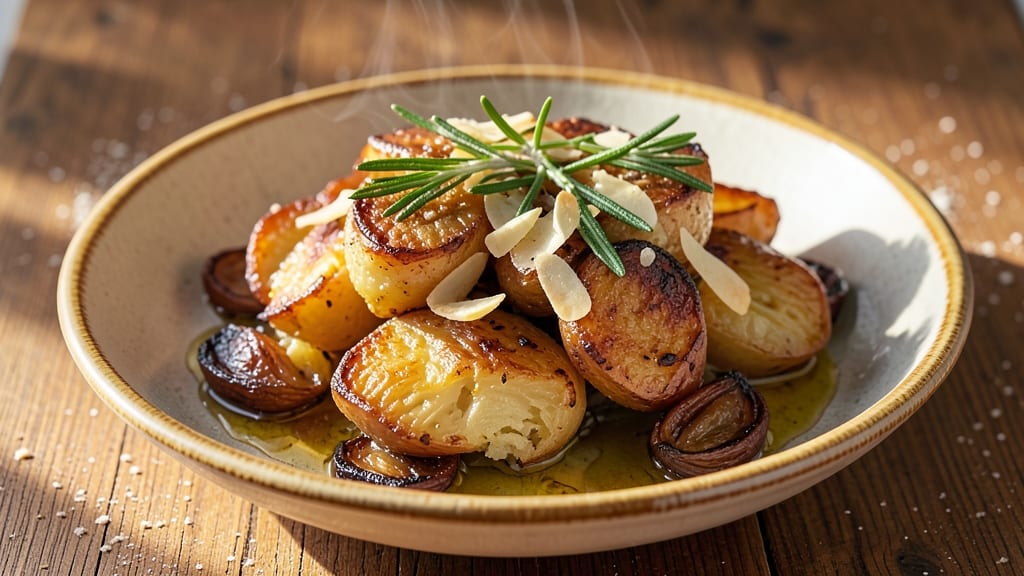
This Vesuvio potatoes recipe delivers restaurant-quality results with a simple yet transformative technique that turns ordinary potatoes into a showstopping side dish. 💛 The secret lies in vinegar-braising, which creates tender wedges with a crispy exterior and herb-infused crunch that elevates any meal.
I first discovered this method while researching Italian regional cuisine, and it quickly became my go-to for special occasions.
The process is straightforward but precise: thick-cut potato wedges are roasted until golden, then finished with a tangy vinegar and herb mixture that infuses them with bold flavor. Rosemary and thyme add aromatic depth, while a touch of garlic and olive oil enhances their natural richness.
The result is a dish that's both rustic and refined—perfect for pairing with grilled meats or hearty stews.
What makes these potatoes truly special is their textural contrast: crispy edges give way to tender, fluffy centers, all wrapped in a fragrant herb crust.
The vinegar-braising method ensures they stay moist while developing a satisfying crunch. This recipe delivers foolproof results every time, with minimal effort and maximum impact.
Serve these potatoes as a standalone side or alongside your favorite main course. The bold flavors and satisfying texture make them a crowd-pleaser for holidays or weeknight dinners alike. Let's get started on creating this Italian-inspired classic!
Ingredients for vesuvio potatoes
Eleven simple yet transformative ingredients for restaurant-quality Vesuvio potatoes that elevate any meal.
| Ingredient | Amount | Notes |
|---|---|---|
| Russet Potatoes 🥔 | 2 lbs | Cut into 1-inch thick wedges, skins on |
| Extra-Virgin Olive Oil 🫒 | ½ cup | High-quality, fruity variety |
| White Wine Vinegar 🍷 | ¼ cup | Dry, aged vinegar preferred |
| Fresh Rosemary 🌿 | ¼ cup | Finely chopped, stems removed |
| Fresh Thyme 🌿 | 0.15 cup | Leaves only, finely chopped |
| Garlic Cloves 🧄 | 4 cloves | Minced, fresh preferred |
| Kosher Salt 🧂 | 1 ½ tbsp | Diamond Crystal preferred |
| Black Peppercorns 🌶️ | 1 tsp | Freshly cracked, coarse grind |
| Granulated Sugar 🍬 | 1 tbsp | Balances acidity in braising |
| Fresh Lemon Juice 🍋 | 1 tbsp | Brightens final flavor |
| Butter 🧈 | 2 tbsp | Unsalted, cold for finishing |
The potatoes are the foundation—Russet potatoes provide the ideal starch-to-moisture ratio for crispy edges and fluffy centers. Source them from the produce department's refrigerated section for the freshest cuts, or grab pre-cut wedges from Whole Foods if you're short on time. Look for firm, unblemished potatoes with vibrant golden skin—avoid those with green spots or soft areas. The extra-virgin olive oil should have a peppery finish and be stored in a cool, dark place; California Olive Ranch is my go-to brand for consistent quality. Fresh herbs are non-negotiable here—Trader Joe's sells pre-bundled rosemary and thyme that's perfect for this recipe, but always check for wilting stems before purchasing.
Substitutions can work, but with trade-offs. Red wine vinegar adds depth if white isn't available, though it may slightly alter the color. For dried herbs, use one-third the amount of fresh—so 1 tablespoon dried rosemary for the 0.25 cup fresh. The garlic can be roasted ahead for mellow sweetness, but fresh minced gives the brightest flavor. Need to skip the butter? Finish with an extra tablespoon of olive oil instead. The sugar balances the vinegar's acidity—brown sugar works but may darken the potatoes slightly. For storage, keep the vinegar in its original bottle away from sunlight to maintain its sharp acidity profile.
These potatoes develop their signature texture through precise timing—don't rush the roasting. Once prepared, they reheat beautifully: spread on a baking sheet and warm at 400°F for 10-12 minutes until crispy again. Store leftovers in an airtight container for 4-5 days, though they're best enjoyed fresh. The herb mixture can be prepped ahead and stored in the fridge for 3 days—just reheat gently before tossing. For freezing, portion the wedges before roasting and freeze on a tray before transferring to bags; they'll keep for up to 3 months but may lose some crispness upon reheating.
Why You'll Love This Recipe
- I make these for everything: a quick lunch with grilled chicken, a side for steak night, or even a light dinner with a simple salad. The leftovers? Still taste amazing reheated the next day, which means less stress on busy evenings.
- One-Pan Magic: I swear by this recipe when I’m too tired to wash dishes. Slice those Russets, toss them with olive oil and herbs, and bake—no flipping, no fuss. The vinegar glaze happens right in the oven, and you’re left with golden, crispy edges without the extra work.
- Herb-Packed Punch: That rosemary and thyme combo? It’s like a little Mediterranean vacation in your mouth. The vinegar brightens everything up, cutting through the richness of the olive oil so every bite feels fresh and vibrant—no heavy cream or butter needed.
- Weeknight Workhorse: I make these for everything: a quick lunch with grilled chicken, a side for steak night, or even a light dinner with a simple salad. The leftovers? Still taste amazing reheated the next day, which means less stress on busy evenings.
Step-by-step instructions for vinegar-braised potatoes
Master this technique for restaurant-quality potatoes with perfect texture and vibrant flavors.
🍳 Step 1: Prepare and Parboil the Potato Wedges
Cut the 2 lbs russet potatoes into 1-inch thick wedges, keeping the skins on for texture. Arrange them on a baking sheet and toss with 1 tbsp kosher salt and ½ tsp black peppercorns. This initial seasoning enhances flavor during the braising process.
Place the wedges in a large pot of cold, salted water (enough to cover by 1 inch) and bring to a boil over high heat. Once boiling, reduce to medium-high heat and parboil for exactly 5 minutes—this partially cooks the potatoes while preserving their structure. Drain immediately and return them to the baking sheet.
👨🍳 Step 2: Create the Herb-Vinegar Braising Liquid
In a large Dutch oven, heat the 0.5 cup extra-virgin olive oil over medium heat until shimmering. Add the 4 minced garlic cloves and cook for 30 seconds until fragrant—don't let them brown or they'll turn bitter. Remove the pan from heat and stir in the 0.25 cup finely chopped fresh rosemary, 0.15 cup fresh thyme leaves, 1 tbsp granulated sugar, and 1 tbsp fresh lemon juice. Let this aromatic blend steep for 5 minutes while you prepare the potatoes.
Return the Dutch oven to medium heat and add the 0.25 cup white wine vinegar. Bring to a simmer, then immediately add the parboiled potato wedges in a single layer. The acidity in the vinegar will begin tenderizing the potatoes while creating that signature Vesuvio tang.
🔥 Step 3: Braise Until Tender and Caramelized
Cover the Dutch oven and reduce heat to low. Simmer gently for 45-50 minutes, stirring occasionally to ensure even cooking. The potatoes are done when they're fork-tender (a knife should slide in easily) and the liquid has reduced to a glossy glaze coating the wedges. If the liquid evaporates too quickly, add 2-3 tablespoons hot water to maintain moisture.
Here's the secret: during the last 10 minutes, uncover and increase heat to medium-low. This allows the potatoes to develop a caramelized crust while remaining tender inside. The herb-infused oil will create a luxurious finish that sets this dish apart.
⏰ Step 4: Finish with Butter for Richness
Remove the Dutch oven from heat and let it rest for 5 minutes. Stir in the 2 tbsp cold unsalted butter, cutting it into small pieces as it melts into the hot potatoes. This final step adds luxurious mouthfeel and balances the acidity with rich, creamy notes.
Taste and adjust seasoning—you may need an additional ½ tsp kosher salt or black pepper to complement the vinegar's brightness. Serve immediately while the butter glaze is still glossy, accompanied by grilled meats or crusty bread to soak up the herbed oil.
🍽️ Step 5: Rest and Serve for Maximum Tenderness
Let the potatoes rest for 5 minutes before serving. This crucial step allows the juices to redistribute, ensuring each bite delivers maximum tenderness with that perfect balance of crisp edges and creamy centers. The herb-infused oil will pool beautifully on the surface, ready to be spooned over each serving.
For presentation, arrange the wedges on a warm platter and drizzle with any remaining braising liquid from the Dutch oven. Garnish with an extra sprinkle of fresh thyme and rosemary to elevate the visual appeal. The contrast of the caramelized edges with the tender interior makes this dish truly exceptional.
Pro Tips For Making Vesuvio Potatoes
- Cut Potatoes Evenly: Use a mandoline or sharp knife to slice them all the same thickness—about ¼-inch thick. Uneven slices mean some burn while others stay raw, and nobody wants that bitter, overcooked edge.
- Dry Them Thoroughly: Pat the sliced potatoes completely dry with paper towels before hitting the pan. Wet potatoes steam instead of crisp, and you’ll end up with soggy, flavorless slices—no one’s here for that.
- Use Low Heat First: Start the potatoes on medium-low heat until they’re golden on the first side, then crank it up to medium-high for the second. Rushing the heat turns them greasy and uneven—this keeps them crisp without frying.
- Toast the Herbs: Toss the rosemary and thyme sprigs into the pan after the potatoes are halfway cooked. Let them sizzle for 30 seconds—they’ll release their oils and perfume the whole dish like a fresh bouquet.
Dietary considerations for these flavors
Gluten-Free Adaptations
The original Vesuvio potatoes recipe is naturally gluten-free since it relies on potatoes, olive oil, vinegar, and herbs—none of which contain gluten. However, always double-check your vinegar and herb blends for cross-contamination warnings.
I recommend Bragg Apple Cider Vinegar or Annie's Organic White Wine Vinegar for certified gluten-free options. The recipe's foundation remains intact, making it perfect for gluten-sensitive diets. 🌱
Dairy-Free Options
While the recipe traditionally finishes with butter, you can easily adapt it for dairy-free diets. Replace the 2 tbsp unsalted butter with 2 tbsp vegan butter (like Miyoko's or Earth Balance) or an extra 1 tbsp olive oil.
The texture remains rich and satisfying without compromising the dish's integrity. For extra flavor, add a splash of lemon juice to brighten the final taste.
Low-Carb Modifications
This recipe is already low-carb friendly, but you can enhance it further by using cauliflower and potato mash instead of traditional wedges. Mix 1 lb cauliflower florets with 1 lb diced russet potatoes for a lighter texture while maintaining the herb-vinegar flavor profile.
Roast the mix at 425°F for 25 minutes before braising, then proceed with the original method. The result is a satisfying, lower-carb side dish. ✨
Vegan-Friendly Adjustments
To make these potatoes fully vegan, ensure all ingredients meet plant-based standards. Use vegan butter (like Country Crock Plant Butter) and verify your olive oil and vinegar are vegan-certified.
The recipe's core technique—vinegar-braising with herbs—remains unchanged, delivering the same bold flavors without animal products. Garnish with fresh herbs for a vibrant finish.
Allergen Awareness
For those with garlic allergies, substitute with asafetida powder (a pinch) or omit entirely—though it adds depth, so taste as you go. If herbs like rosemary or thyme are problematic, swap them for fresh parsley or basil (though the flavor profile will differ).
Always check labels on vinegar and olive oil for potential hidden allergens like sulfites. When in doubt, use single-ingredient products from trusted brands like Organic Valley.
Keto-Friendly Enhancements
For a keto-friendly twist, reduce the potatoes to 1 lb total and bulk up the dish with mushrooms and zucchini for extra volume. Sauté 1 cup sliced mushrooms and 1 cup diced zucchini in the olive oil before adding the potatoes.
This keeps the carb count low while adding hearty texture. The vinegar-braising method ensures all ingredients absorb the herbed flavors beautifully. 💪
Nutrition facts
Frequently asked questions
What makes these vinegar-braised potatoes different from regular roasted potatoes?
The key difference is the braising technique using white wine vinegar and herbs, which creates a tender interior with crispy edges while infusing the potatoes with bright, aromatic flavors. Unlike regular roasted potatoes, this method develops a glossy glaze from reduced vinegar and herb oil that coats each wedge. The acidity also helps break down starches for extra tenderness.
Can I use sweet potatoes instead of russet potatoes?
While you can substitute sweet potatoes, they'll have a different texture and flavor profile. Sweet potatoes are naturally sweeter and more moist, which may alter the balance of the vinegar-braised dish. If you try it, reduce the sugar to ½ tbsp and increase the vinegar to ¼ cup to maintain the tangy contrast. The cooking time will also be slightly shorter (35-40 minutes) since sweet potatoes cook faster.
How do I prevent the potatoes from sticking together during braising?
To avoid sticking, ensure your potato wedges are cut to uniform thickness (1-inch) and arranged in a single layer in the Dutch oven. The initial parboiling step is crucial—it firms up the potatoes so they hold their shape during braising. If they do stick, gently loosen them with a wooden spoon and add 2-3 tbsp hot water to create more liquid for easier separation. Stirring occasionally also helps prevent clumping.
Can I make this recipe ahead of time?
Yes! These potatoes reheat beautifully. Prepare them up to 2 days ahead and store in an airtight container in the refrigerator. To reheat, spread them on a baking sheet and warm at 400°F for 10-12 minutes until crispy again. For best texture, add a splash of water or vinegar to the container before reheating to restore moisture. The flavors actually deepen overnight, making them perfect for meal prep.
What's the best way to serve these potatoes?
These vinegar-braised potatoes pair exceptionally well with grilled meats like steak or chicken, hearty stews, or even as a standalone vegetarian dish. For presentation, arrange them on a warm platter and drizzle with any remaining braising liquid. Serve with crusty bread to soak up the herbed oil, or alongside roasted vegetables for a complete meal. The bold flavors also complement pasta dishes or seafood beautifully.