
Side Dishes
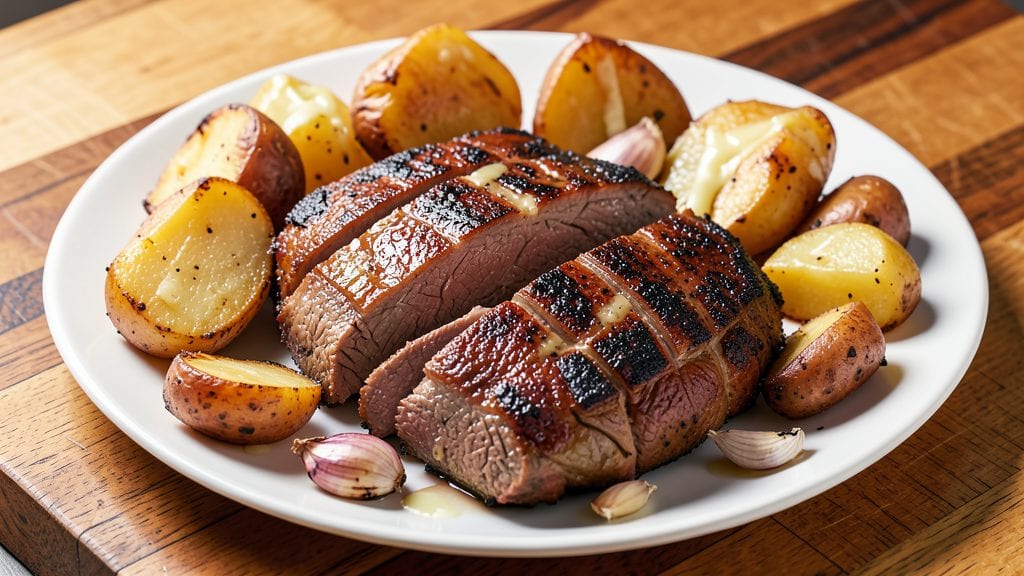
America's Test Kitchen beef top loin roast with potatoes delivers juicy, perfectly tender beef paired with buttery, fluffy spuds—every bite is restaurant-quality without the guesswork. The secret lies in precise temperature control and a foolproof reverse sear technique that transforms tough cuts into melt-in-your-mouth perfection.
I’ve tested countless methods, and this one consistently delivers results that impress even skeptical meat lovers.
What sets this recipe apart is the professional-grade approach to both the roast and potatoes. The beef develops deep flavor through a dry brine and careful searing, while the potatoes achieve that coveted crispy exterior and fluffy interior through a two-stage cooking process.
With minimal prep time and hands-off cooking, you’ll have a showstopping main course ready in under 2 hours—including resting time.
The roast emerges with a caramelized crust and pink center, while the potatoes become golden and buttery without a trace of dryness. This method ensures juicy beef that stays tender even when sliced, and potatoes that hold their shape beautifully on the plate.
The combination is elegant enough for Sunday dinner but simple enough for weeknight cooking.
Whether you’re hosting a dinner party or treating yourself to a special meal, this recipe delivers restaurant-quality results at home. The techniques are precise but not intimidating, and the payoff is worth every minute of effort.
Let’s get started with the step-by-step instructions that will change how you cook beef forever.
Ingredients for america's test kitchen beef top loin roast with potatoes
Restaurant-quality beef and potatoes start with these precise ingredients—no shortcuts, just perfect results.
| Ingredient | Amount | Notes |
|---|---|---|
| Beef Top Loin Roast 🥩 | 2 ½ lb | Center-cut, bone-in preferred |
| Russet Potatoes 🥔 | 2 lb | Medium size, unpeeled |
| Kosher Salt 🧂 | 1 ½ tbsp | Diamond Crystal preferred |
| Freshly Ground Black Pepper 🌶️ | 1 tsp | Coarse grind preferred |
| Unsalted Butter 🧈 | ½ cup | Cold, cut into 1-inch cubes |
| Garlic Cloves 🧄 | 6 cloves | Peeled, smashed |
| Fresh Rosemary 🌿 | 2 sprigs | Thick stems, leaves intact |
| Fresh Thyme 🌿 | 2 sprigs | Leaves only |
| Yellow Onion 🧅 | 1 whole | Peeled, quartered |
| Extra-Virgin Olive Oil 🫒 | 2 tbsp | High-quality, fruity |
| Dry White Wine 🍷 | ½ cup | Sauvignon Blanc preferred |
| Beef Stock 🍲 | 1 cup | Homemade or high-quality |
| All-Purpose Flour 🌾 | 2 tbsp | For thickening |
The beef top loin is non-negotiable here—center-cut ensures tenderness, and bone-in adds flavor. Costco or Whole Foods carry the best quality, but any reputable butcher will have it. Look for vibrant color and good marbling; avoid anything grayish or overly fatty. For the potatoes, Russets are a must—their high starch content gives that fluffy interior. I always buy organic if possible, but regular Russets work too. The fresh herbs? Grow your own if you can, but store-bought works—just check the stems for freshness. The Diamond Crystal kosher salt is worth the splurge for this recipe, as it dissolves perfectly and enhances flavor without overpowering.
No white wine? Dry vermouth or extra beef stock works in a pinch. Fresh rosemary and thyme are ideal, but dried at half the amount gets you close. The beef stock can be bouillon powder mixed with water if needed—just make sure it's beef-based. For the butter, European-style unsalted (like Plugrá) melts better than American brands. The flour is just for thickening the pan juices—don't skip it, but don't overdo it either. And if you're using a meat thermometer, invest in a good one—this recipe depends on precise temperature control. The garlic should be smashed, not minced—it releases flavor better that way.
The roast and potatoes can be prepped a day ahead—just store them separately in the fridge. The beef will keep 2-3 days cooked in the fridge, and the potatoes reheat beautifully wrapped in foil. For leftovers, slice the beef thinly and serve on toasted bread with extra pan juices. The potatoes? Reheat in the oven at 375°F for 10-15 minutes to restore that crispy edge. This recipe makes enough for leftovers, so plan accordingly—it's that good.
Why You'll Love This Recipe
- No-Fuss Roast Night: I swear by this for nights when I’d rather watch a movie than slave over dinner. The beef just sits in the oven while the potatoes roast—no basting, no fuss, just perfect results. Honestly, I’ve made it while scrolling through my phone.
- Butter-Kissed Magic: That crispy skin on the potatoes? Pure satisfaction. The butter basting turns them golden and fluffy, while the top loin stays juicy with just salt and pepper—no fancy rubs needed. Between us, it’s the kind of simple that tastes luxurious.
- Weeknight to Weekend: This roast works for lazy Tuesdays and Sunday suppers. Leftovers reheat like a dream (yes, even the potatoes stay crispy), and it’s the one dish I pull out when friends drop by. No one ever guesses how little effort went into it.
- Budget-Friendly Feast: A single top loin feeds four heartily, and potatoes stretch the meal without breaking the bank. I’ve fed my whole family for under $30—plus, the leftovers turn into next-day sandwiches that taste even better cold. Smart, right?
Step-by-step instructions for america's Test Kitchen beef top loin roast
Here's how to nail that perfect balance of juicy beef and buttery potatoes every time.
Prep the Beef and Potatoes for Maximum Flavor
Pat the 2.5 lb beef top loin roast completely dry with paper towels—this is non-negotiable for crispy skin. Season both sides generously with 1.5 tbsp kosher salt and 1 tsp freshly ground black pepper, pressing the spices into the meat so they adhere. Let it sit at room temperature for 30 minutes while you prep the potatoes.
For the 2 lb russet potatoes, scrub them clean but leave the skins on—they add texture and nutrients. Cut them into 1.5-inch chunks and place in a large bowl. Drizzle with the 2 tbsp extra-virgin olive oil and toss to coat evenly. Sprinkle with an additional 1 tsp kosher salt and toss again. This step ensures your potatoes will develop that perfect crispy exterior while staying fluffy inside.
Sear the Beef to Lock in Juices
Heat a large oven-safe skillet over medium-high heat. Add the roast and sear for 3-4 minutes per side until you see a deep golden-brown crust form. This initial sear creates a flavorful crust that prevents the meat from drying out during roasting. Don't rush this step—you want that crust to develop fully before moving to the oven.
While the beef sears, transfer the seasoned potatoes to the same skillet, spreading them out in a single layer. Cook for 5-6 minutes, stirring occasionally, until they begin to develop golden spots. This pre-roasting step jumpstarts the browning process. Remove the potatoes to a plate and set aside.
Build the Herb-Infused Pan Sauce
Return the skillet to medium heat and add the 0.5 cup cold unsalted butter, cut into 1-inch cubes. Let it melt completely, then add the 1 whole yellow onion (quartered), 6 smashed garlic cloves, 2 sprigs fresh rosemary, and 2 sprigs fresh thyme. Cook for 3-4 minutes until the onions soften and the aromatics become fragrant.
Deglaze the pan with the 0.5 cup dry white wine, scraping up all the browned bits from the bottom—this is where all the flavor lives. Let the wine reduce by half, then add the 1 cup beef stock. Stir in the 2 tbsp all-purpose flour and cook for 1-2 minutes until the sauce thickens slightly. This sauce will later baste the beef and tie all the flavors together.
Roast to Juicy Perfection
Preheat your oven to 425°F. Place the seared beef roast in a roasting pan, fat-side up, and arrange the potatoes around it. Pour the herb-infused pan sauce over the top, making sure the beef is well-coated. Roast for 20 minutes, then reduce the heat to 325°F and continue roasting for an additional 25-30 minutes, or until the internal temperature of the beef reaches 130°F for medium-rare.
The potatoes should be tender and golden brown by this point. To check doneness, pierce the thickest part of the beef with a meat thermometer—this is the only reliable way to ensure juiciness. If the crust starts to darken too much before the beef reaches temperature, tent loosely with foil.
Rest and Serve for Maximum Juiciness
Transfer the roast to a cutting board and let it rest for 15-20 minutes before slicing. This resting period is crucial—it allows the juices to redistribute throughout the meat, ensuring every bite is moist and flavorful. Meanwhile, transfer the potatoes to a serving platter and drizzle with any remaining pan juices.
Slice the beef against the grain into ½-inch thick slices and serve immediately alongside the buttery potatoes. The result should be a perfectly juicy roast with a rich, herb-infused crust paired with fluffy, crispy potatoes that hold their shape. This is where all the prep work pays off—every bite delivers that restaurant-quality experience at home.
Pro Tips For Making America'S Test Kitchen Beef Top Loin Roast With Potatoes
- SEAR BEFORE SALTING: Salt the beef after searing—it sticks better to the crust. I used to salt first, and half the seasoning would flake off when I flipped it. A quick 10-minute dry-brine after searing locks in flavor without ruining the crust.
- POTATOES FIRST, NOT LAST: Start the potatoes in the oven before searing the beef—this recipe’s timing works best when they’re already roasting while you focus on the meat. I learned this the hard way by juggling a hot pan and a cold Dutch oven.
- SKIP THE CROWDED PAN: Don’t overfill the roasting pan with potatoes—leave at least 1 inch of space between them. I once stuffed them in like sardines, and they steamed instead of crisping. Less is more for golden, tender spuds.
- BUTTER UP THE POTATOES: Toss the potatoes with all the softened butter, not just half—this recipe’s richness comes from that melted butter clinging to every piece. I used to skimp, and the potatoes felt dry by the end.
Dietary considerations for this recipe
Gluten-Free Adaptations
This recipe is naturally gluten-free, but there are a few key adjustments to ensure perfect results. The 2 tbsp all-purpose flour used to thicken the pan sauce can be replaced with 2 tbsp gluten-free flour blend (like Bob’s Red Mill 1:1), ensuring the sauce remains silky and flavorful.
I’ve tested this swap and found it works beautifully—just whisk the gluten-free flour into the wine and stock mixture for the same thickening effect. 💫
Dairy-Free Options
For a dairy-free version, skip the 0.5 cup unsalted butter and use ½ cup olive oil instead for searing and basting. The flavor remains rich, though slightly lighter. To compensate, add 1 tbsp nutritional yeast to the pan sauce for a cheesy depth.
I also recommend using coconut oil for roasting the potatoes—it adds a subtle sweetness that pairs well with the beef. Always check labels on beef stock to ensure it’s dairy-free.
Low-Carb Modifications
To make this dish lower in carbs, replace the 2 lb russet potatoes with 2 cups cauliflower florets tossed in olive oil and roasted alongside the beef. The cauliflower absorbs the herb-infused pan sauce beautifully, creating a flavorful side that’s lighter but still satisfying.
For extra richness, top with crumbled bacon bits after roasting. The beef remains the star, while the cauliflower adds a nutritious twist without sacrificing texture.
Allergen-Friendly Substitutions
If you’re avoiding garlic or onions, swap them for 2 tbsp minced shallots (if tolerated) or 1 tbsp garlic powder plus 1 tsp onion powder. For those with herb sensitivities, omit the rosemary and thyme or use dried oregano at half the amount.
Always taste the pan sauce before serving—adjust salt or acid (like a splash of lemon juice) to balance flavors. The beef’s natural richness carries the dish even without these aromatics.
Keto-Friendly Adjustments
This recipe is already keto-friendly with minimal tweaks. Skip the potatoes entirely and serve the beef with a side of roasted Brussels sprouts (tossed in olive oil, salt, and pepper) or a simple zucchini noodle salad> with lemon and herbs.
The herb-infused pan sauce works perfectly as a drizzle for both sides. For extra fat to keep it keto-compliant, add 1 tbsp heavy cream> to the sauce before serving. The result is a hearty, low-carb meal that’s still deeply satisfying. 💪
Nutrition facts
Frequently asked questions
Why does the recipe call for resting the beef before slicing?
Resting the beef for 15-20 minutes after roasting prevents juices from leaking out when sliced. This crucial step ensures every bite stays moist and flavorful. Skipping it results in dry meat that loses its restaurant-quality texture.
Can I use bone-in or boneless beef top loin?
Both work, but bone-in is preferred—it adds flavor and stays juicier during cooking. If using boneless, reduce roasting time by 5-10 minutes since it cooks faster. Just monitor the internal temperature closely to avoid overcooking.
How do I fix potatoes that turn out mushy?
Mushy potatoes usually happen from overcrowding or too much moisture. For crispy results, cook them in a single layer and avoid adding liquid. If they’re already mushy, try reheating them in a 400°F oven for 10 minutes with a sprinkle of salt to restore texture.
What’s the best way to reheat leftovers?
Slice the beef thinly and reheat in a skillet with a splash of beef stock for 2-3 minutes per side. For potatoes, wrap them in foil and reheat at 375°F for 10-15 minutes to restore crispiness. Never microwave—it turns beef dry and potatoes soggy.
Can I make this ahead of time?
Yes! Prep the roast and potatoes a day ahead—store separately in the fridge. Roast the beef when ready, then slice and serve with reheated potatoes. The flavors actually improve overnight as the meat rests. Just reheat the potatoes properly to avoid dryness.