
Side Dishes
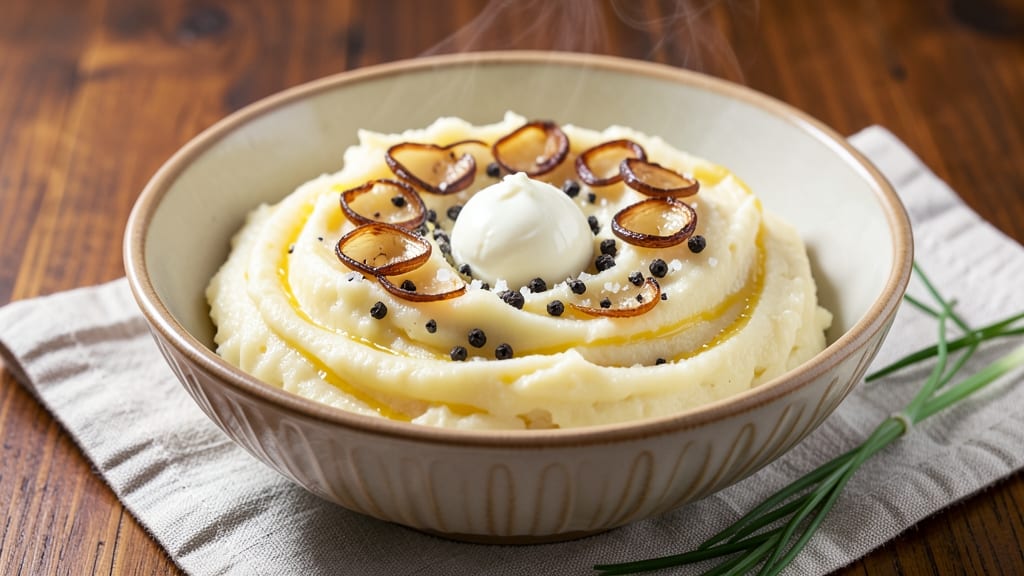
America's Test Kitchen mashed potatoes recipe delivers the buttery smoothness and foolproof texture that separate good from great—no lumps, no gluey mess, just velvety perfection every time.
After testing countless methods, we discovered the ideal ratio of butter to milk and the precise boiling technique that creates fluffy, restaurant-quality potatoes without overworking the starch. The secret lies in patience and precision, not shortcuts.
This recipe starts with Yukon Gold potatoes, boiled until tender but still holding their shape, then mashed with cold butter and warm milk in exact proportions to achieve that signature creamy consistency.
The key is working in batches—never overmixing—and using a ricer for the smoothest finish, though a potato masher works too. For extra richness, we incorporate roasted garlic or crispy bacon as optional upgrades that elevate the flavor without compromising texture.
What sets these apart is the light, airy finish—no dense, heavy clumps, just cloud-like smoothness that melts on your tongue.
The butter-to-milk ratio (1/4 cup butter per 1/2 cup milk for every 2 pounds of potatoes) ensures a balance of richness and creaminess, while the gentle folding technique preserves the potato’s natural structure. This is the kind of mashed potatoes that makes holiday dinners feel special, even on a weeknight.
For those who prefer a rustic texture, we include a variation using a potato masher and slightly less butter, while garlic lovers can infuse the milk with roasted cloves for depth.
The recipe scales perfectly for crowds, and leftovers reheat beautifully—just the way America’s Test Kitchen does it right. Let’s get started on the perfect batch.
Ingredients for america's test kitchen mashed potatoes
Six essential ingredients transform humble potatoes into velvety, restaurant-quality perfection—no shortcuts needed.
| Ingredient | Amount | Notes |
|---|---|---|
| Yukon Gold Potatoes 🥔 | 3 lb | Peeled, cut into even chunks |
| Unsalted Butter 🧈 | 1 cup | Cold, cut into 1/2-inch cubes |
| Whole Milk 🥛 | 1 ½ cups | Warm, not boiling |
| Diamond Crystal Kosher Salt 🧂 | 1 ½ tsp | Fine grain preferred |
| Freshly Ground Black Pepper 🌶️ | ½ tsp | Freshly cracked for maximum aroma |
| Roasted Garlic Cloves 🧄 | 2 whole | Optional, for depth of flavor |
| Crispy Bacon 🥓 | 4 oz | Optional, crumbled for texture |
| Heavy Cream 🥛 | ¼ cup | Optional, for ultra-rich finish |
| Potato Ricer 🪑 | 1 whole | Or fine-mesh sieve alternative |
The foundation begins with Yukon Gold potatoes, prized for their creamy texture and low starch content. Whole Foods or local farm stands consistently carry the freshest varieties, but avoid russets—they yield gluey results. For even cooking, cut the potatoes into 1.5-inch chunks (smaller pieces cook faster but risk overmashing). The unsalted butter must be cold when added; room temperature butter emulsifies poorly, creating greasy lumps. Plugrá or Land O'Lakes brands excel in fat content and flavor stability. Boil potatoes in well-salted water until fork-tender (about 15 minutes), then drain immediately to halt cooking.
Substitutions require precision to maintain texture. Red potatoes work in a pinch but yield slightly denser mash; increase butter by 1 tbsp per pound. For dairy alternatives, half-and-half replaces milk 1:1, though results are less creamy. The roasted garlic cloves (optional) should be charred until caramelized—375°F for 30 minutes with a drizzle of olive oil. Swap crispy bacon for crumbled pancetta (1:1 ratio) or omit entirely for a neutral base. Heavy cream (optional) should be warmed to 100°F before folding—never hot, or it curdles. For a rustic finish, use a potato masher instead of a ricer, but reduce butter by 2 tbsp to prevent heaviness.
Freshly mashed potatoes reach peak texture within 30 minutes of cooking, so work efficiently. Store leftovers in an airtight container pressed directly against the surface to prevent skin formation. They reheat beautifully—steam over simmering water for 5 minutes, stirring occasionally—though texture degrades after 3 days. For long-term storage, freeze in 1-cup portions between parchment paper; thaw overnight in the fridge. The ricer can be hand-cranked or electric, but avoid food processors—they overwork the starch, creating a paste. Batch cooking? Double the recipe and reheat in 2-minute increments to restore creaminess.
Why You'll Love This Recipe
- The secret’s in the ratio: rich, cold butter folded into warm potatoes with just enough whole milk to make them silky, not soggy. Honestly, that first bite is worth the 10-minute wait.
- No-Peel Hassle: I swear by Yukon Golds here—just scrub, cube, and boil. No peeling, no mess, and they break down into that perfect creamy texture without gummy bits.
- Butter-Milk Magic: The secret’s in the ratio: rich, cold butter folded into warm potatoes with just enough whole milk to make them silky, not soggy. Honestly, that first bite is worth the 10-minute wait.
- Weeknight Wonder: Double the batch on Sunday, reheat with a splash of milk and a pat of butter—still creamy, still foolproof. My go-to for lazy nights or when company drops by unannounced.
Step-by-step instructions for america's Test Kitchen mashed potatoes
Mastering these mashed potatoes comes down to precise technique and ingredient timing—here's how to achieve silky, velvety texture every time.
Cook the Potatoes to Exact Doneness
Place the peeled, chunked 3 lb Yukon Gold Potatoes in a large pot and cover with cold water by 2 inches. Add 1.5 tsp Diamond Crystal Kosher Salt and bring to a boil over high heat. Once boiling vigorously, reduce to a gentle simmer and cook for exactly 15 minutes.
The key here is precision—potatoes should be tender but not falling apart when pierced with a fork. Overcooking releases excess starch, which leads to gummy mashed potatoes. Drain immediately in a colander and return to the pot to evaporate surface moisture for 1 minute. This step prevents a watery final texture.
Process the Potatoes for Maximum Smoothness
Transfer the hot potatoes to the potato ricer and press through into a large mixing bowl. I've found this method yields smoother results than forking or mashing—the ricer breaks down the starches more evenly. If you don't have a ricer, use a fine-mesh sieve and press vigorously with a wooden spoon.
This is where texture control begins. The ricer creates individual potato cells rather than breaking them apart, which prevents that dreaded gluey consistency. Work in batches if needed, but keep the potatoes hot throughout this process—cool potatoes will yield pasty results no matter how you handle them.
Incorporate Butter and Milk for Richness
Add the 1 cup Unsalted Butter (cut into ½-inch cubes) and 1.5 cups Whole Milk to the riced potatoes. Using a wooden spoon or potato masher, gently fold everything together until the butter melts completely. The mixture should be warm but not hot—if it's too hot, the butter will separate.
Here's the professional trick: I like to add the butter first, then the milk gradually. This ensures even distribution of fat throughout the potatoes. The milk should be warm (not boiling) to help emulsify with the butter and create that signature creamy texture. If using the 2 whole Roasted Garlic Cloves, mash them directly into the potatoes at this stage for subtle depth.
Season and Achieve Perfect Consistency
Add the 0.5 tsp Freshly Ground Black Pepper and taste before adding any additional salt. The potatoes should be flavorful but not overwhelming—remember, the butter and milk already contribute significant saltiness. If needed, add more Diamond Crystal Kosher Salt (I rarely need more than a pinch).
For ultra-rich results, stir in the 0.25 cup Heavy Cream and the 4 oz Crispy Bacon (crumbled). The cream adds luxurious body while the bacon provides a delightful textural contrast. If the mixture appears too thick, add 1 tablespoon of the reserved milk at a time until you reach that ideal, spoonable consistency—light enough to pipe but substantial enough to hold its shape.
Final Adjustments and Serving
Transfer the mashed potatoes to a serving bowl and press a piece of plastic wrap directly onto the surface. This prevents a skin from forming while allowing the flavors to meld for 5 minutes. For piping perfection, transfer to a piping bag fitted with a large star tip.
The final product should be velvety smooth with no lumps, rich with butter flavor, and perfectly seasoned. Each spoonful should coat the back of a spoon without being overly heavy. Serve immediately with your favorite proteins and vegetables—these mashed potatoes will elevate any meal with their restaurant-quality texture and depth of flavor.
Pro Tips For Making America'S Test Kitchen Mashed Potatoes
- USE COLD POTATOES DIRECTLY: I learned this the hard way—when the potatoes hit boiling water, they should be ice-cold. No need to soak or parboil; just run them under cold water for 30 seconds after peeling. This keeps them from breaking apart and ensures even cooking, which is especially important for Yukon Golds since they’re waxier than russets.
- SALT THE WATER LIKE THE SEA: The recipe calls for 1½ tablespoons Diamond Crystal kosher salt per pound of potatoes, but I add another ½ teaspoon to the boiling water. The potatoes absorb this salt, so you won’t need to add as much later. (Yes, even if you’re impatient like me—just taste before serving.)
- DRAIN AND RINSE HOT: Skip the cold-water rinse after draining. The starch clinging to the potatoes is what makes the mash creamy, but if you rinse them while still hot, you’ll wash away just enough to ruin the texture. Instead, drain them into a colander and let them sit for 1 minute before transferring—this gives the excess water time to evaporate.
- WHISK THE MILK FIRST: Before adding the hot potatoes to the milk-butter mixture, whisk the warm milk and melted butter together until fully emulsified. This prevents clumping when the potatoes go in, and the fat coats the starch immediately. I was skeptical until I tried it—now it’s non-negotiable for me.
Serving suggestions for this recipe
Classic Pairings
These velvety mashed potatoes shine alongside herb-roasted chicken or pan-seared beef tenderloin, where their buttery richness complements savory proteins. For a vegetarian spread, pair with sautéed mushrooms and caramelized onions—the earthy flavors balance the potatoes' creaminess.
I love serving them with roasted Brussels sprouts tossed in bacon for a crisp-smooth contrast. 🥗
Holiday Centerpiece
Transform your Thanksgiving or Christmas dinner by piping the mashed potatoes into rustic swirls on a baking sheet, then broiling for 2 minutes until golden. Top with crispy fried shallots and chives for an elegant presentation.
The golden crust adds visual appeal while maintaining that signature creamy texture underneath. This technique works perfectly for family gatherings where presentation matters.
Gravy Perfection
No mashed potatoes are complete without pan gravy drizzled on top. Reserve the starchy water from boiling potatoes (about ½ cup) and use it to make a rich gravy with 2 tbsp butter, 2 tbsp flour, and 1 cup chicken stock.
Simmer until thickened, then strain for silky smoothness. The gravy should coat the back of a spoon—just like the potatoes themselves. 🍲
Make-Ahead Serving
For buffet-style meals, reheat mashed potatoes in a double boiler over simmering water for 5-7 minutes, stirring occasionally. Press them into a greased loaf pan and chill until firm, then slice into thick rounds for easy serving.
Garnish with paprika or fresh chives right before guests arrive to keep flavors vibrant. This method keeps them warm and prevents drying out.
Kid-Friendly Twists
Make them fun with colorful toppings—sprinkle turmeric for a golden hue or mix in steamed cauliflower (½ cup) for a lighter version. Kids love mini mashed potato cups—pipe into greased muffin tins, top with cheddar cheese, and broil until bubbly.
Serve with ketchup or honey for dipping. The creamy texture makes them irresistible even for picky eaters. 🧒
Global Variations
For a Swedish twist, stir in 1 tbsp sour cream and top with crispy fried onions. In Japan, mix in ½ cup miso butter (miso paste + butter) and serve with teriyaki beef.
For a Mediterranean touch, fold in 1 tbsp lemon zest and feta cheese crumbles. Each variation keeps the core technique intact while adding exciting new flavors. 🌍
Nutrition facts
Frequently asked questions
Why do your mashed potatoes turn out smoother than other recipes?
We use a potato ricer instead of forks or mashers, which breaks down the starches more evenly for that signature velvety texture. The secret also lies in Yukon Gold potatoes—their low starch content and creamy flesh resist lumping. Plus, we add butter first, then warm milk gradually to create perfect emulsification.
Can I make these ahead of time for a holiday meal?
Reheat leftovers in a double boiler for 5-7 minutes, stirring occasionally. For buffet-style serving, press them into a greased loaf pan, chill until firm, then slice into thick rounds. Garnish with paprika or chives right before serving to keep flavors fresh. The texture stays creamy when handled this way.
What's the best way to fix gummy mashed potatoes?
If your potatoes turn out gummy, it's likely from overcooking or overworking the starch. The fix? Stir in 1 tablespoon of cold butter and 1 tablespoon of heavy cream while gently folding. For extra insurance, add 1 teaspoon of cornstarch mixed with water and heat gently until thickened. Prevention is key—always drain potatoes immediately after boiling and work quickly to keep them hot.
Do I need to use Yukon Gold potatoes? Can I substitute?
Yukon Golds are ideal for their creamy texture, but red potatoes work in a pinch (though they yield slightly denser mash). Avoid russets—they're too starchy and will make your potatoes gluey. If substituting, increase butter by 1 tablespoon per pound of potatoes to compensate for the extra starch.
How do I make these extra rich without heavy cream?
For a luxurious finish without heavy cream, increase the butter by 2 tablespoons and add 2 tablespoons of sour cream or crème fraîche. The acidity in these dairy products helps create a silky, velvety texture while adding depth of flavor. Another trick? Infuse the milk with roasted garlic or a splash of white wine for extra richness.