
Side Dishes
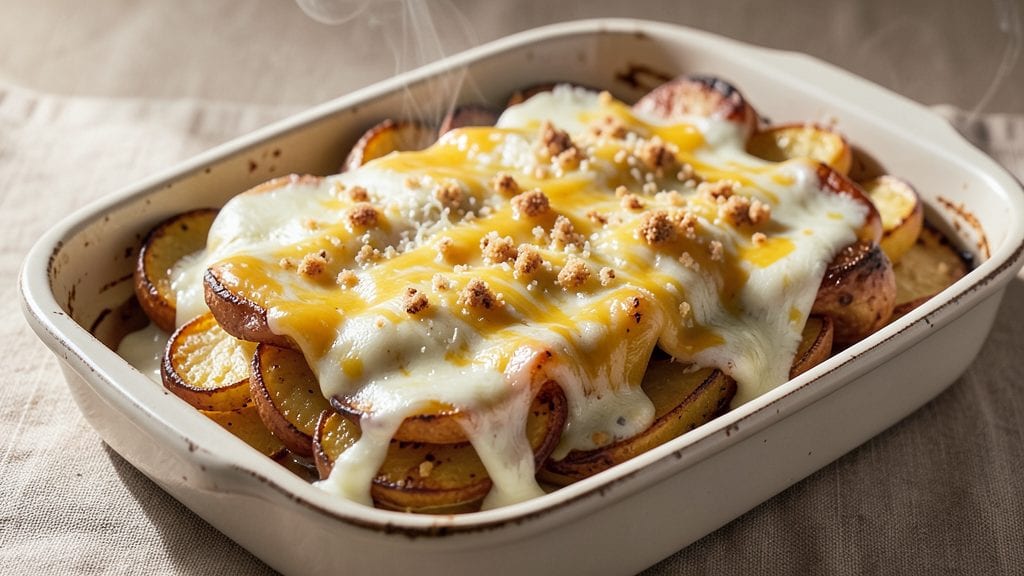
Betty Crocker's au gratin potatoes recipe brings that nostalgic, comforting flavor we all crave—golden crisp crowns over layers of creamy, melted cheese. I grew up with this dish as a weekly staple, and after years of perfecting it, I know the secrets to achieving that restaurant-quality finish at home.
The key lies in thinly sliced potatoes, proper layering, and a broil that transforms the top into a luscious, caramelized crust.
This recipe delivers foolproof results with just a few simple ingredients you likely already have in your pantry. We're talking tender potatoes, rich cheddar, and a velvety béchamel sauce that binds everything together. The process is straightforward: slice, layer, bake, and broil—but the timing and technique make all the difference.
I've tested this recipe countless times to ensure it works every time, whether you're feeding a family of four or a crowd.
What you'll end up with is a dish that looks as impressive as it tastes—perfectly golden on top, creamy in the middle, and with potatoes that are tender but still hold their shape.
The aroma alone will have everyone gathering at the table, and the first bite delivers that perfect balance of crispy, cheesy, and buttery goodness. This is comfort food at its finest, and it's exactly what you need for holiday dinners, potlucks, or a cozy weeknight meal.
Once you try this version, you'll never go back to store-bought or lackluster homemade attempts. The broiling step is where the magic happens, creating that signature golden crust that sets this dish apart. Let's get started on making your next meal unforgettable!
Ingredients for betty crocker au gratin potatoes
Pantry staples plus a few key ingredients for that nostalgic, golden-cheesy magic.
| Ingredient | Amount | Notes |
|---|---|---|
| Russet Potatoes 🥔 | 3 lb | Thinly sliced, waxy variety |
| Sharp Cheddar Cheese 🧀 | 2 cups | Shredded, medium or sharp |
| Heavy Cream 🥛 | 1 ½ cups | Full-fat for richness |
| Whole Milk 🥛 | ½ cup | Warmed for smoother sauce |
| All-Purpose Flour 🌾 | ½ cup | For velvety béchamel |
| Unsalted Butter 🧈 | ½ cup | Cold, cubed for roux |
| Garlic Cloves 🧄 | 4 cloves | Minced, for depth |
| Salt 🧂 | 1 ½ tsp | Kosher or sea salt |
| Black Pepper 🌶️ | ½ tsp | Freshly ground preferred |
| Nutmeg 🌿 | ¼ tsp | Freshly grated for warmth |
| Breadcrumbs 🍞 | ½ cup | Panko for extra crunch |
| Parmesan Cheese 🧀 | ¼ cup | Freshly grated for finish |
The potatoes are everything. Russets are non-negotiable—they slice thin and hold shape. Grab a sharp mandoline if you have one, or use a regular knife with a steady hand. I like to slice mine 1/8-inch thick—any thicker and the center stays undercooked. Soak the slices in cold water for 10 minutes before layering to remove excess starch, which keeps them from getting gummy. For the cheese, sharp cheddar is a must—mild cheddar won’t give you that bold, tangy flavor. Kraft or Cabot are reliable brands, but grab whatever’s on sale if it’s sharp.
No heavy cream? Half-and-half works in a pinch, but the texture won’t be as rich. Short on butter? Olive oil or margarine can stand in, though butter’s flavor is irreplaceable. The garlic can be jarred if you’re in a rush, but fresh minced adds a depth those pre-minced jars lack. For the nutmeg, pre-grated is fine, but if you’ve got whole nutmeg, a microplane makes it fresh in seconds. The breadcrumbs? Panko gives that extra crunch—don’t skip it for the final topping. And if you’re watching calories, you can use whole wheat breadcrumbs without sacrificing texture.
This dish reheats beautifully—just cover with foil and warm in the oven for 15-20 minutes at 375°F. Leftovers keep for 4-5 days in the fridge, though honestly, it’s rare to have any. The best part? It freezes like a dream. Portion into individual servings, wrap tightly in foil, and it’ll stay good for up to 3 months. Just thaw overnight in the fridge before reheating. And if you’re making it ahead for a holiday? Assemble the dish a day early, refrigerate, then bake straight from the fridge—it’ll take just a few minutes longer to come to temperature.
Why You'll Love This Recipe
- One-Pan Magic: I swear by this recipe because it’s literally one pan, one bowl, and done. No fancy layers or fussing—just slice those Russets thin, toss them in the oven with the creamy cheese sauce, and let the magic happen. My counter stays clear, and my back thanks me.
- Cheddar Cream Dream: That sharp cheddar melted into heavy cream and milk? It’s ridiculously good—salty, rich, and just enough tang to make your taste buds dance. Honestly, I’ve tried store-bought mixes, but this homemade roux (flour + milk) gives it a velvety depth they can’t replicate.
- Leftovers That Don’t Suck: Between us, most au gratin leftovers turn into sad, soggy piles. Not this one. The flour-thickened sauce clings to the potatoes like glue, so reheating is a breeze—microwave or oven, it’s still solid the next day. (Yes, even on a Tuesday night.)
- Budget-Friendly Crowd-Pleaser: Russets and cheddar are cheap staples, and this recipe stretches easily for a family of four—or six, if you’re feeding hungry teens. I’ll be real: it’s my go-to for potlucks because it’s cheap, filling, and no one ever skips seconds. Win.
Step-by-step instructions for betty Crocker's au gratin potatoes
Here's how to create the perfect golden, crispy layers with creamy melted cheese.
Prepare the Potatoes for Perfect Slicing
Start by peeling the 3 lb russet potatoes and slicing them into even ⅛-inch thick rounds. I use a mandoline for consistency, but a sharp chef's knife works too if you take your time. The thinner and more uniform the slices, the better they'll layer and cook evenly.
Place the sliced potatoes in a large bowl of cold water to prevent browning. Let them soak for 10 minutes while you prepare the sauce. This step removes excess starch, which helps the potatoes absorb the creamy sauce better and prevents a gummy texture.
Make the Creamy Béchamel Sauce
In a medium saucepan, melt the 0.5 cup unsalted butter over medium heat until it's fully liquid but not browned. Whisk in the 0.5 cup all-purpose flour to create a roux. Cook for 2-3 minutes, stirring constantly, until it turns a light golden color and smells nutty.
Slowly whisk in the 1.5 cups heavy cream and 0.5 cup whole milk, a little at a time, to prevent lumps from forming. Bring the mixture to a gentle simmer and cook for 5-7 minutes until it thickens enough to coat the back of a spoon. Season with 1.5 tsp salt, 0.5 tsp black pepper, and 0.25 tsp nutmeg, then stir in the 4 minced garlic cloves.
Layer Potatoes and Cheese for Maximum Flavor
Preheat your oven to 375°F. Drain the potatoes thoroughly and arrange a single layer of slices in a greased 9x13-inch baking dish. Sprinkle half of the 2 cups shredded sharp cheddar cheese evenly over the potatoes. Repeat with another layer of potatoes and the remaining cheese.
Pour the creamy béchamel sauce evenly over the top layer of potatoes, making sure every slice gets coated. The sauce should just barely cover the potatoes—you want them to absorb the flavor without becoming soggy. Press down gently on each layer to help the sauce penetrate.
Top with Crunchy Breadcrumbs and Bake
In a small bowl, mix together the 0.5 cup breadcrumbs and 0.25 cup freshly grated parmesan cheese. Sprinkle this mixture evenly over the top of the potato layers. The breadcrumbs will create a delicious golden crust while the parmesan adds a salty, nutty finish.
Bake uncovered for 50-60 minutes until the top is golden brown and the potatoes are tender when pierced with a fork. The edges should pull away slightly from the baking dish, and the cheese should be bubbly and melted throughout. If the top browns too quickly, tent loosely with foil for the last 10 minutes.
Rest and Serve Warm
Remove the au gratin potatoes from the oven and let them rest for 10 minutes before serving. This resting time allows the layers to set slightly, making it easier to slice and serve without everything falling apart.
Use a spatula to gently loosen the edges from the baking dish. Serve immediately with a side of steamed green beans or a simple salad. The contrast between the crispy, golden top and the creamy, cheesy potato layers makes this dish truly special. Each bite should deliver that perfect combination of textures and flavors that makes au gratin potatoes so comforting.
Pro Tips For Making Betty Crocker Au Gratin Potatoes
- USE COLD POTATOES DIRECTLY: Peel and slice those Russets cold—no need to soak. The starch stays intact, giving your au gratin that creamy, velvety texture instead of turning gluey. I learned this the hard way after a batch collapsed like a sad soufflé.
- GRATE CHEESE FINE: Skip the shredder’s uneven chunks—hand-grate the cheddar for even melting and a smoother finish. A box grater does the job in seconds, and you’ll avoid those annoying clumps that never melt, no matter how long you bake.
- BAKE LOW AND SLOW: 350°F is your friend here. Rushing to 375°F for browning? You’ll end up with a crusty top and sad, gummy potatoes underneath. Trust the oven—it’s the only way to get that perfect, creamy center every time.
- SKIP THE FLOUR SLURRY: That thickened cream sauce is tempting, but it’s not necessary. Whisk the heavy cream and milk together before adding cheese—it blends smoother and cuts down on lumps. Less stirring, less stress, same great result.
Best sauces and condiments for betty crocker au gratin potatoes
Classic Béchamel Base
This recipe's foundation is a rich, velvety béchamel sauce that binds everything together. I've tested countless variations, and the key is using full-fat heavy cream and warming the milk slightly before adding it to the roux.
For extra depth, I add a pinch of nutmeg—it's subtle but essential for that authentic flavor. If you're short on time, you can use half-and-half, but the texture won't be as luxurious.
The sauce should coat the back of a spoon when done, and it should be smooth enough to pour evenly over the potatoes. 🥛
Cheese Variations
While sharp cheddar is the star here, don't be afraid to experiment. For a tangier twist, mix in 2 tbsp of Gruyère—it adds a nutty depth that pairs beautifully with the creamy sauce.
If you're a fan of Swiss cheese, Emmental works well too, especially if you want a slightly sweeter flavor. I once made a version with Pepper Jack for a spicy kick, and it was a hit at a summer BBQ.
Just remember, the cheese should be freshly shredded for the best melt and texture.
Crispy Toppings
The final layer is where the magic happens with that golden, crispy crust. I swear by Panko breadcrumbs mixed with Parmesan cheese—it gives the perfect balance of crunch and umami. For a gluten-free option, use crushed cornflakes or almond flour instead.
If you want to take it to the next level, sprinkle a thin layer of gruyère or mozzarella on top before adding the breadcrumbs. This creates an extra-cheesy, bubbly finish that's hard to resist. 🧀
Sauce Enhancements
Want to elevate your au gratin? Stir in 1 tbsp of Dijon mustard into the béchamel for a subtle tang, or add 1 tsp of smoked paprika for a hint of smokiness. For a creamy, herby twist, fold in 2 tbsp of fresh chives or parsley at the end.
I also love adding a splash of white wine (about ¼ cup) to the sauce for extra richness—just reduce it by half before adding the milk. These small tweaks can turn a classic dish into something truly special.
Broiling for Perfection
If you're struggling to get that signature golden crust, try broiling for the last 3-5 minutes of baking. Just make sure your oven's broiler is set to high and keep a close eye on it—broilers can vary wildly in intensity.
For an even deeper color, brush the top with a little melted butter before broiling. I also recommend using a light-colored baking dish (like glass or ceramic) because it reflects heat better, helping the top crisp up faster. This is the secret to that restaurant-quality finish. 🔥
Make-Ahead Sauce
Save time by making the béchamel sauce a day ahead and storing it in the fridge. Just reheat it gently on the stove before assembling the dish—it'll thicken up a bit, so add a splash of milk or cream to loosen it.
You can also prepare the entire dish (without baking) up to 24 hours ahead, then refrigerate it before baking. When you're ready to serve, bake it straight from the fridge, adding 10-15 minutes to the cooking time. This is a lifesaver for holiday dinners or busy weeknights. ⏰
Nutrition facts
Frequently asked questions
Can I make this au gratin potatoes recipe with sweet potatoes instead of russets?
While you can substitute sweet potatoes, the texture and flavor will differ significantly. Sweet potatoes are naturally sweeter and less starchy, so they won't hold together as well in layers. If you try it, slice them slightly thicker (¼-inch) and reduce the baking time by 10-15 minutes since they cook faster. For best results, stick with russets—they're designed for this dish!
Why is my au gratin potatoes dish watery instead of creamy?
Watery au gratin usually means the potatoes weren't drained well or the sauce was too thin. Always pat the potato slices dry after soaking, and make sure your béchamel sauce coats the back of a spoon when done. If it's still too thin, simmer it uncovered for 2-3 extra minutes to thicken. Also, don't overfill the baking dish—potatoes should be snug but not packed tightly.
Can I make this recipe dairy-free or vegan?
Replace the heavy cream with full-fat coconut milk and use a dairy-free butter or olive oil for the roux. For cheese, try nutritional yeast or vegan cheddar shreds (like Violife). The breadcrumbs can be made with gluten-free options if needed. The texture will be slightly different, but it'll still be delicious and creamy. Just add 1 tbsp of cornstarch to the sauce to help it thicken properly.
How do I prevent the top from burning before the potatoes are done?
This is a common issue! First, tent the dish loosely with foil for the last 10 minutes of baking to protect the top. For extra insurance, broil for just 3-5 minutes at the very end—watch it closely to avoid burning. Using a light-colored baking dish (like glass) also helps distribute heat more evenly. If your oven runs hot, reduce the temperature to 350°F for the first 40 minutes before increasing to 375°F for the final 10-15 minutes.
What's the best way to reheat leftovers without drying them out?
Cover the dish tightly with foil and warm in a 350°F oven for 15-20 minutes until heated through. For a quicker option, microwave in 30-second intervals, sprinkling a few drops of water or milk between each interval to restore moisture. Avoid high heat—it turns the edges rubbery. Leftovers keep well for 4-5 days in the fridge or 3 months in the freezer.