
Desserts
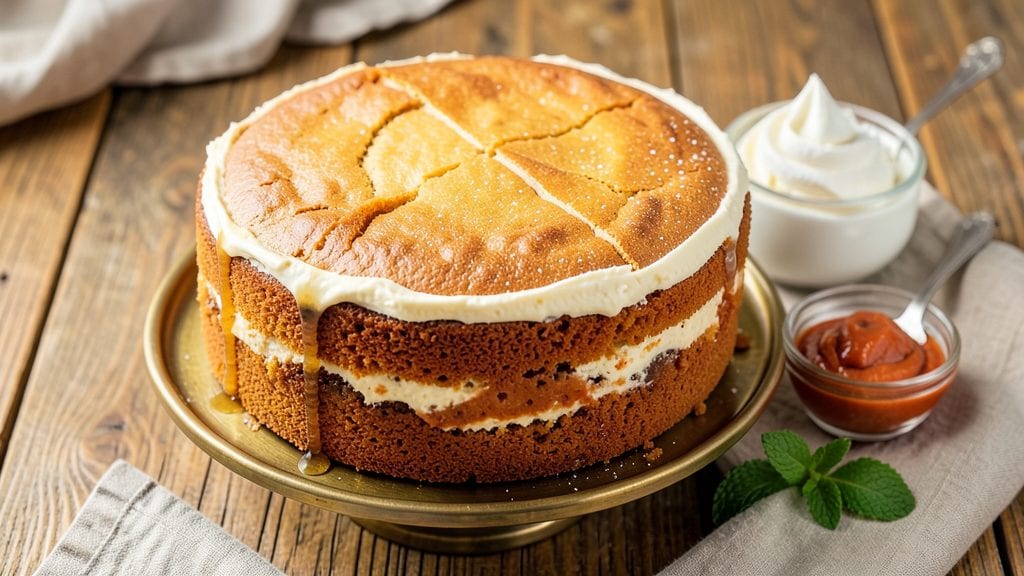
Betty Crocker’s sweet potato cake recipe delivers the moist, spice-infused layers you’ve been craving—perfect for fall gatherings or cozy weeknight treats. This classic cake combines the natural sweetness of sweet potatoes with warm cinnamon and nutmeg, creating a tender crumb that’s impossible to resist.
I’ve baked this version dozens of times, and it never disappoints with its balanced sweetness and velvety texture.
The secret to achieving that moist, cake-like consistency lies in the sweet potato puree and a precise mix of spices. Unlike dense sweet potato bread, this recipe yields light, fluffy layers that pair beautifully with a tangy cream cheese frosting.
The cake bakes in a single layer but can be stacked for a showstopping presentation—ideal for special occasions or when you want to impress guests.
What sets this recipe apart is its foolproof technique, ensuring no dry crumbs or overbaked edges. The cream cheese frosting adds just the right amount of tang to cut through the cake’s natural sweetness, making each bite rich and satisfying.
Whether you’re serving slices at a holiday party or enjoying a piece with afternoon coffee, this cake delivers restaurant-quality results with minimal effort.
Ready in about 50 minutes with minimal prep, this recipe is perfect for bakers of all skill levels. The ingredients list is straightforward, and the step-by-step instructions guide you through mixing, baking, and frosting for a cake that looks as good as it tastes.
Let’s get started on creating your next crowd-pleaser!
Ingredients for betty crocker sweet potato cake
Fifteen essential ingredients transform into moist, spice-infused layers perfect for fall gatherings or cozy weeknight treats.
| Ingredient | Amount | Notes |
|---|---|---|
| Canned Sweet Potatoes 🍠 | 15 oz | Drained, pureed to 1.5 cups |
| All-Purpose Flour 🌾 | 2 cups | Sifted, spooned lightly |
| Granulated Sugar 🍚 | 1 ½ cups | Light brown preferred |
| Unsalted Butter 🧈 | 1 cup | Cold, cubed, full-fat |
| Large Eggs 🥚 | 2 whole | Room temperature |
| Pure Vanilla Extract 🌸 | 1 tbsp | High-quality, imitated |
| Baking Soda 🧪 | 1 ½ tsp | Pure, not baking powder |
| Ground Cinnamon 🌿 | 2 tsp | Freshly ground preferred |
| Ground Nutmeg 🌿 | ½ tsp | Freshly grated nutmeg |
| Ground Cloves 🌶️ | ¼ tsp | Lightly toasted |
| Diamond Crystal Kosher Salt 🧂 | ½ tsp | Fine grain preferred |
| Cream Cheese 🧀 | 8 oz | Full-fat, room temperature |
| Powdered Sugar 🍚 | 2 cups | Sifted for smooth frosting |
| Lemon Juice 🍋 | 1 tbsp | Freshly squeezed |
The sweet potatoes are the foundation—canned, not fresh, ensures consistent moisture without bitterness. Store-brand cans work fine, but Libby’s delivers the smoothest puree. For the best texture, drain and mash them thoroughly, removing all lumps. The brown sugar adds depth, while the unsalted butter (use Land O’Lakes for reliable quality) ensures richness. Room-temperature eggs incorporate more smoothly, so take them out 30 minutes before mixing. Penzeys spices elevate the flavor profile, but McCormick ground spices work in a pinch—just ensure they’re fresh (smell them: if they lack aroma, replace).
No canned sweet potatoes? Roast fresh sweet potatoes (about 2 medium) until tender, then puree until smooth. Substituting white sugar for brown reduces depth, but it’s acceptable in a bind. Vegetable oil can replace butter (same quantity), though the cake will be slightly less tender. For the frosting, Neufchatel cream cheese (like Philadelphia) yields the best texture—avoid low-fat versions, as they separate. Powdered sugar should be sifted to prevent graininess; Domino brand is reliable. The lemon juice brightens the frosting, so use freshly squeezed if possible—bottled juice lacks freshness.
Store the cake layers in an airtight container at room temperature for 2 days, or refrigerate for 5 days. The frosting keeps 3 days refrigerated, though it’s best used within 24 hours. For longer storage, freeze the unfrosted layers for 3 months—thaw at room temperature before assembling. Double-wrap the frosting in plastic to prevent drying. This cake reheats beautifully: wrap a slice in foil and microwave for 20 seconds to restore moisture, though it’s best enjoyed fresh.
Why You'll Love This Recipe
- Pantry-Friendly Magic: I swear by this recipe because it uses canned sweet potatoes—no peeling, no boiling, just open and mix. The butter and sugar blend so smoothly with that natural sweetness, and honestly? It’s the kind of cake that makes me feel like I did bake something from scratch, even when I didn’t.
- Moist Without the Fuss: That creamy texture? All thanks to the eggs and butter working their magic with the sweet potatoes. It’s not dry, not dense—just perfectly tender with a subtle caramel note that keeps me reaching for seconds. (Yes, even on a Tuesday night.)
- Breakfast or Dessert: Here’s what sold me—this cake works for any meal. Serve it warm with a drizzle of honey for breakfast, or dust it with powdered sugar for a dessert that feels special but costs next to nothing. My kids ask for it both ways, and I don’t even have to lie about it being "healthy."
- Budget Baking Wins: Between us, this recipe is my secret weapon for feeding a crowd without breaking the bank. A single can of sweet potatoes stretches into multiple servings, and the flour, sugar, and butter are staples I already have. Leftovers? They disappear faster than I can say "second slice."
Step-by-step instructions for betty Crocker sweet potato cake
This method delivers perfectly moist layers with a warm spice profile and velvety cream cheese frosting.
Prepare the Sweet Potato Base
Drain the 15 oz canned sweet potatoes thoroughly and transfer them to a food processor. Puree until completely smooth, scraping down the sides as needed. You should end up with approximately 1.5 cups of puree—this is your moisture foundation. The puree should be completely free of lumps, as any texture will affect the cake's consistency.
In a medium bowl, whisk together the 1.5 cups granulated sugar, 2 whole large eggs, and 1 tablespoon pure vanilla extract until fully combined. This mixture will be slightly thick but smooth. I like to use room-temperature eggs for better emulsification with the sweet potatoes. Add the sweet potato puree to this mixture and stir until just incorporated—don't overmix, as this can develop gluten in the flour later.
Combine Dry Ingredients with Wet
In a separate large bowl, sift together the 2 cups all-purpose flour, 1.5 teaspoons baking soda, 2 teaspoons ground cinnamon, 0.5 teaspoon ground nutmeg, 0.25 teaspoon ground cloves, and 0.5 teaspoon diamond crystal kosher salt. The sifting ensures even distribution of these spices throughout the batter, which is crucial for that signature warm flavor profile.
With the mixer on low speed, gradually add the dry ingredients to the sweet potato mixture, alternating between the flour mixture and the 1 cup cold cubed unsalted butter. Start and end with the flour mixture to ensure proper incorporation. Mix just until combined—you should still see small streaks of flour. Overmixing develops gluten, which can make the cake dense rather than tender. The batter should be thick but pourable.
Bake the Layers to Perfect Moisture
Preheat your oven to 350°F. Grease two 9-inch round cake pans and line the bottoms with parchment paper. Divide the batter evenly between the pans, spreading it out to create even layers. Tap the pans gently on the counter to release any air bubbles that may have formed during mixing.
Bake for 25-30 minutes, or until a toothpick inserted into the center comes out clean. The edges should be golden brown, but the tops may still look slightly underdone. This is normal—the cake will continue cooking slightly as it cools. Let the cakes cool in their pans for 10 minutes, then transfer to a wire rack to cool completely. The cooling process is crucial for preventing a gummy texture in the final cake.
Prepare the Cream Cheese Frosting
In a medium bowl, beat the 8 oz cream cheese until completely smooth and free of lumps. This is best done with an electric mixer on medium speed for about 2 minutes. Add the 2 cups powdered sugar and 1 tablespoon freshly squeezed lemon juice, and continue beating until light and fluffy. The frosting should be thick enough to hold peaks but still spreadable. If it's too thick, add 1 teaspoon of milk (though our recipe doesn't include milk, this is a common adjustment).
Once the cakes are completely cool, place one layer on a serving plate and spread with about one-third of the frosting. Repeat with the second layer and the remaining frosting. For a classic presentation, you can cover the entire cake with frosting, but I prefer to leave the sides lightly frosted for a more elegant look. The frosting should be smooth and velvety, with no visible graininess from the powdered sugar.
Assemble and Serve
Use a serrated knife to trim any uneven edges on the cakes if needed. The frosting should create a smooth, even surface when spread. For added decoration, you can dust the top with a light coating of powdered sugar or sprinkle with a pinch of ground cinnamon. The cake should be served at room temperature to allow the flavors to fully meld.
Each slice should reveal a moist, tender crumb with visible specks of cinnamon and nutmeg throughout. The cream cheese frosting should complement the warm spices without overpowering them. This cake keeps well at room temperature for 2-3 days or can be refrigerated for up to 5 days, though I recommend serving it fresh for the best texture and flavor.
Pro Tips For Making Betty Crocker Sweet Potato Cake
- MASH THE POTATOES WELL: I learned this the hard way—lumpy mashed sweet potatoes make a dense, uneven cake. Use a potato masher or fork to break up the canned sweet potatoes until completely smooth, then stir in the sugar and eggs until the batter looks like wet pancake batter, not like you’re serving up sweet potato soup.
- DON’T OVERMIX THE BATTER: After burning three batches of this cake, I finally figured out the real enemy isn’t the oven—it’s overworking the batter. Mix the dry ingredients and wet ingredients separately, then combine until just combined. A few streaks of flour are fine; fighting for perfection turns the cake into a chewy brick.
- USE ROOM-TEMP BUTTER: Cold butter from the fridge creates pockets in the cake that make it dry. Take the butter out 30 minutes before mixing—yes, even if you’re impatient like me. Cream it with the sugar until light and fluffy, or at least until it’s soft enough to press with your finger (not crumbly).
- BAKE UNTIL THE CENTER SPRINGS BACK: That recipe’s suggested baking time is a starting point, not a rule. The cake should pull away from the pan edges and spring back when pressed gently in the center—like a Jell-O wiggle, not a sad, squishy give. If the top browns too fast, tent it with foil (your future self will thank you).
Make-ahead tips for leftovers
Prep Ahead Strategy
The batter for this sweet potato cake can be prepared up to 24 hours in advance and stored in an airtight container in the refrigerator.
I like to mix everything the night before, cover it tightly with plastic wrap pressed directly on the surface, and let it rest at room temperature for 30 minutes before baking. This resting time helps the flavors meld and ensures a more even bake.
The batter will thicken slightly in the fridge, so don’t worry if it looks denser—just give it a quick stir before dividing into pans. 📅
Frosting Prep
Make the cream cheese frosting 1 day ahead and store it in the fridge in a sealed container. The flavors develop beautifully overnight, and the frosting will be easier to spread when it’s slightly chilled.
If it thickens too much, simply beat in 1 teaspoon of milk or lemon juice to restore its smooth, spreadable consistency. I recommend whipping it again briefly before using to ensure a light, fluffy texture. This step saves time on the day you’re ready to assemble the cake. ✨
Layer Storage
Bake the cake layers 1 day ahead and store them in an airtight container at room temperature. If you’re making the cake more than a day in advance, refrigerate the layers wrapped in plastic. To serve, bring them to room temperature for 1-2 hours before frosting.
This prevents condensation from making the frosting soggy. I’ve even frozen the unfrosted layers for 3 months—just thaw them overnight in the fridge before assembling. 🧊
Assembly Day
On the day you’re ready to serve, let the cake layers and frosting come to room temperature together. This ensures a smooth frosting application and prevents the cake from absorbing moisture.
I like to assemble the cake 4-6 hours before serving to allow the frosting to set slightly, which makes slicing cleaner. If you’re short on time, assemble it 2 hours ahead and refrigerate briefly to help the frosting hold its shape. 💫
Serving Timeline
This cake is best served at room temperature, so plan ahead if you’re hosting a gathering. If you’ve refrigerated the assembled cake, let it sit at room temperature for 30-60 minutes before slicing. The flavors and textures are at their peak when the cake is fully relaxed.
For a showstopping presentation, dust with powdered sugar or sprinkle with cinnamon just before serving. The cake keeps well for 2-3 days at room temperature or 5 days refrigerated, though it’s always best enjoyed fresh. 🍰
Nutrition facts
Frequently asked questions
Can I substitute fresh sweet potatoes for canned?
Yes, but with adjustments! Roast 2 medium fresh sweet potatoes until tender, then puree until completely smooth—you'll need about 1.5 cups of puree. Fresh potatoes add more moisture, so you may need to reduce other liquids slightly or increase baking time by 5-10 minutes. The flavor will be slightly more earthy but still delicious.
Why did my cake turn out dense instead of moist?
Overmixing the batter develops gluten, making the cake dense. Mix just until combined—you should still see small flour streaks. Also, ensure your butter is cold (not melted) and your sweet potato puree is lump-free. Baking at 350°F for 25-30 minutes is key—overbaking dries it out, while underbaking leaves it gummy.
Can I make this cake in a single 9x13-inch pan instead of two rounds?
Reduce the oven temperature to 325°F and bake for 35-40 minutes in a greased 9x13-inch pan. The cake will be thicker, so slice it carefully. For frosting, you’ll need about 3 cups of frosting to cover the top. This works well for sheet cakes or when serving a crowd.
How do I store leftovers to keep them fresh?
Keep the frosted cake in an airtight container at room temperature for 2-3 days. For longer storage, refrigerate for up to 5 days. To reheat a slice, wrap it in foil and microwave for 15-20 seconds. The frosting may soften slightly but will firm up at room temperature. Freeze unfrosted layers for 3 months—thaw overnight before assembling.
Can I add walnuts or chocolate chips to this recipe?
Yes! Fold in 1 cup chopped walnuts or 1 cup chocolate chips with the dry ingredients. For walnuts, toast them first for extra flavor. Chocolate chips should be semi-sweet or dark—avoid milk chocolate, as it can make the frosting melt. Distribute them evenly in the batter before baking.