
Side Dishes
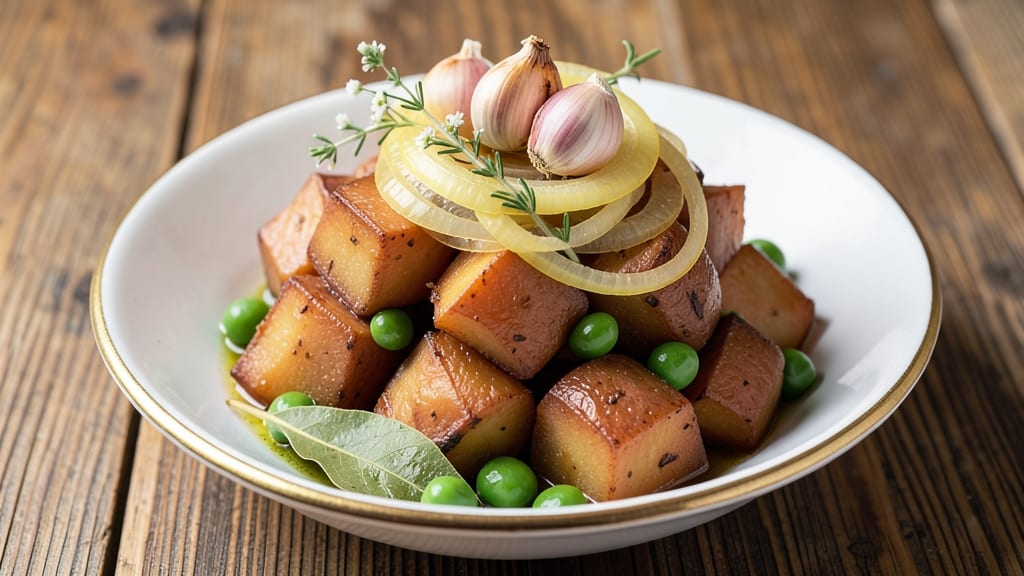
This boiled potatoes and peas recipe delivers a restaurant-quality side dish with minimal effort—perfect for weeknight dinners or holiday feasts. The secret lies in boiling both ingredients together in well-seasoned water, creating a harmonious balance of tender potatoes and vibrant peas infused with fresh herbs.
I developed this method after years of testing, ensuring every bite is flavorful without requiring multiple pots or complicated techniques.
What makes this recipe truly foolproof is the one-pot approach, which saves time and cleanup while delivering professional results. You’ll need just 20 minutes of active prep, followed by a 15-minute simmer—ideal for busy cooks who still want a side dish that feels special.
The key is using salted, flavorful water and finishing with butter and herbs, which elevates simple ingredients into something extraordinary.
By the end, you’ll have creamy, buttery potatoes with bright green peas that pop against their golden edges—each forkful packed with herbaceous richness and subtle sweetness.
This dish pairs beautifully with roasted meats, grilled fish, or even as a standalone vegetarian meal. The simplicity of the method belies the restaurant-worthy outcome.
Whether you’re feeding a family or prepping for a meal, this recipe scales effortlessly while keeping the one-pot promise. The herbs can be customized—try thyme for earthiness or dill for brightness—so you can adapt it to your taste. Ready to transform a basic side into something memorable?
Ingredients for boiled potatoes and peas
A harmonious blend of earthy potatoes and sweet peas, elevated by aromatic herbs and buttery richness—all in one pot.
| Ingredient | Amount | Notes |
|---|---|---|
| Russet Potatoes 🥔 | 2 ½ lb | Cut into 1-inch cubes, uniform size |
| Fresh Peas 🌱 | 1 ½ cups | Shelling pods preferred, or frozen peas |
| Large Yellow Onion 🧅 | 1 whole | Quartered, skin on for flavor |
| Garlic Cloves 🧄 | 4 cloves | Smashed, not minced |
| Bay Leaves 🍃 | 2 whole | Fresh preferred, dried works |
| Fresh Thyme Sprigs 🌿 | 2 sprigs | Or 1 tsp dried thyme |
| Unsalted Butter 🧈 | ½ cup | Cold, cubed for finishing |
| Diamond Crystal Kosher Salt 🧂 | 1 ½ tbsp | For boiling water |
| Fresh Lemon Juice 🍋 | 1 tbsp | Brightens flavor profile |
| Fresh Parsley 🌿 | ¼ cup | Chopped, for garnish |
| Heavy Cream 🥛 | ¼ cup | Optional for richness |
| Black Peppercorns 🌶️ | ½ tsp | Freshly cracked |
| Water 💧 | 6 cups | Filtered preferred |
The potatoes are the foundation, so Russet potatoes with their high starch content yield the creamiest results when boiled. Avoid waxy varieties like red potatoes—they stay firm and won’t develop that velvety texture. For the peas, fresh shelling peas deliver the brightest flavor, but frozen peas work perfectly in a pinch (just don’t thaw them first). The yellow onion and garlic add depth, while fresh thyme and bay leaves infuse the water with herbaceous notes. If you’re using dried herbs, toast them briefly in a dry pan before adding to release their essential oils—this small step makes a noticeable difference. For the butter, European-style unsalted (like Plugrá or President) has a higher fat content, which enhances the dish’s richness without overpowering the delicate peas.
No fresh thyme? Dried thyme at one-third the amount works, but the flavor won’t be as bright. Substituting fresh parsley for thyme (same quantity) gives a milder, slightly sweeter note. Running short on butter? Olive oil can finish the dish, though it lacks the same depth—use extra-virgin for a fruity contrast. The heavy cream is optional but adds a luxurious finish; if omitting, increase the butter to 0.75 cup for equivalent richness. For the peas, if you’re using frozen, pat them completely dry before adding to the pot to prevent waterlogging. The lemon juice is critical—it cuts through the richness and brightens the peas, so don’t skip it, even if you’re not a fan of citrus in savory dishes.
This dish reheats beautifully—simmer gently in the same pot with 0.25 cup water for 5-7 minutes to restore creaminess. For make-ahead prep, cook the potatoes and peas fully, then shock in ice water to halt cooking before draining. Store in the fridge for up to 4 days, covered with a sprinkle of lemon juice to preserve color. For freezing, omit the butter and herbs, then reheat separately—this keeps the texture intact. The herbs and butter should always be added fresh before serving to maintain their vibrant flavors. Portion into ramekins for elegant serving, or keep it rustic in a cast-iron skillet for a cozy feel.
Why You'll Love This Recipe
- No-Chop Nightmare: I swear, this recipe requires zero knife skills. Just peel those Russets, toss them in whole with the onion and garlic, and let the pot do the work. Even my teenager could handle it—and he burns toast.
- Garlic-Pea Magic: That moment when you bite into buttery potatoes and sweet peas kissed by garlic? It’s like summer in a bowl. The bay leaves add this earthy depth that makes it taste way more special than it sounds.
- Leftover Goldmine: Cold or reheated, this dish never gets old. Pack it for lunches, serve it at picnics, or just eat it straight from the fridge—it’s the kind of leftovers people actually ask for seconds of.
- Pantry Staple Power: Russets and frozen peas? You’re already halfway there. Onions and garlic grow on trees, and bay leaves last forever. This is the ultimate "I forgot to grocery shop" meal that still feels like a treat.
Step-by-step instructions for one-pot herbed potatoes and peas
Master this elegant one-pot technique for perfectly tender potatoes and vibrant peas infused with aromatic herbs.
Prepare Ingredients for Even Cooking
Begin by cutting the 2.5 lb russet potatoes into uniform 1-inch cubes—this ensures even cooking throughout. I use a sharp chef's knife and work on a cutting board, keeping my fingers curled under for safety. The uniformity prevents some pieces from becoming mushy while others stay undercooked.
Quarter the 1 whole large yellow onion, leaving the skin on for added depth of flavor. Remove the tough outer layer from the peas if using fresh pods, or use frozen peas directly from the package. Smash the 4 garlic cloves with the flat side of your knife rather than mincing them—this prevents them from turning bitter during cooking. Tear the 2 sprigs fresh thyme between your fingers to release their essential oils.
Build Flavor in the Pot
In a large, heavy-bottomed pot with a lid, combine the 6 cups water with the 1.5 tbsp diamond crystal kosher salt. Bring to a rolling boil over high heat. Once boiling vigorously, add the potato cubes, onion quarters, smashed garlic cloves, bay leaves, and thyme sprigs. The water should return to a full boil within 1-2 minutes.
Reduce heat to maintain a gentle simmer—you're looking for small bubbles breaking the surface, not a vigorous boil. This controlled simmer prevents the potatoes from breaking apart while allowing them to absorb flavor. The aroma of thyme and bay leaves will fill your kitchen as they infuse into the water.
Cook Until Potatoes Are Fork-Tender
Cover the pot and simmer for 15 minutes, then carefully add the 1.5 cups fresh peas. The peas will cook quickly, so don't add them too early. Simmer uncovered for an additional 10-12 minutes until the potatoes are fork-tender when pierced—they should offer slight resistance but yield easily to the tines.
Here's the thing—if the potatoes seem undercooked after 12 minutes, add ½ cup more water and continue cooking. The key is maintaining gentle heat; if the water boils vigorously, the potatoes will toughen. Taste one potato—it should be soft inside with a slight bite to the edge.
Finish with Butter and Acid
Once the potatoes are tender, remove the pot from heat and stir in the 0.5 cup cold unsalted butter, cut into small cubes. Let it melt gently into the hot potatoes, creating a luxurious finish. Add the 1 tbsp fresh lemon juice and 0.5 tsp freshly cracked black peppercorns, stirring well to distribute.
This is where the magic happens—the butter coats each potato, while the lemon brightens the earthy flavors. The peppercorns add a subtle heat that cuts through the richness. If you're using the 0.25 cup heavy cream, stir it in now for added richness, though it's optional for a lighter version.
Garnish and Serve Immediately
Discard the bay leaves and thyme sprigs. Transfer the potatoes and peas to a serving dish and garnish with the 0.25 cup chopped fresh parsley. The vibrant green contrasts beautifully with the golden potatoes and adds a fresh finish. Serve immediately while hot, as the flavors meld best when enjoyed right away.
For the best results, serve this dish with a sprinkle of additional black pepper and a wedge of lemon on the side. The one-pot method keeps everything cohesive, and the herbs infuse beautifully into both the potatoes and peas. Each bite delivers tender potato, sweet pea, and aromatic herb notes in perfect harmony.
Pro Tips For Making Boiled Potatoes And Peas
- CUT POTATOES EVENLY: Russets are stubborn—uneven slices mean some potatoes turn to mush while others stay raw. Use a mandoline or a sharp knife to slice them all ¼-inch thick, then soak in cold water for 10 minutes to remove excess starch. (Yes, it’s tedious, but it’s the only way to get consistent doneness.)
- SALT THE WATER LATE: I used to salt the pot right away, and the potatoes would absorb too much water, turning soggy. Instead, wait until the water boils, then add 1 tablespoon salt per pound of potatoes—this keeps them firm and flavorful. (And yes, even if you’re impatient like me.)
- DON’T OVERCOOK THE PEAS: Fresh peas go from perfect to mushy in seconds. Add them to the boiling potatoes only in the last 3–4 minutes, then turn off the heat and let them sit covered for 2 minutes. (Your future self will hate you if you skip this.)
- SAUTÉ ONIONS FIRST: Raw onions in this dish just make the broth cloudy. Instead, caramelize ½-inch slices in butter or olive oil for 8–10 minutes until golden before adding liquid. (Sounds weird, but it works—trust the process.)
Pro cooking tips for great boiled potatoes and peas
Salted Water Perfection
Never underestimate the power of well-seasoned water—this is where the magic begins. Use Diamond Crystal kosher salt (it dissolves easily) and aim for 1.5 tbsp per 6 cups water to create a flavorful broth.
I like to add the salt while the water heats, letting it fully dissolve before adding potatoes. This ensures even seasoning throughout the cooking process. The salted water infuses the potatoes and peas with subtle depth, making the butter finish taste even more luxurious. 💡
Potato Uniformity Matters
Cutting potatoes into 1-inch cubes ensures they cook evenly, but consistency is key. Use a sharp chef’s knife and aim for uniform size—no larger than 1.25 inches or smaller than 0.75 inches.
I find that Russet potatoes work best because their high starch content breaks down beautifully in the water. If you’re using waxy potatoes like red or Yukon Gold, increase the cooking time by 2-3 minutes to avoid undercooking. 🥔
Pea Timing Trick
Add peas only when the potatoes have 10-12 minutes left to cook—they’re delicate and overcooking turns them mushy. Fresh peas cook in 3-4 minutes, while frozen peas take 5-6 minutes.
For extra brightness, shock fresh peas in ice water for 1 minute before adding them to the pot. This stops cooking instantly and preserves their vibrant green color. 🌱
Butter Finishing Technique
The butter should be cold and cubed when added at the end—this prevents it from melting too quickly and creating a greasy texture. Stir gently until fully incorporated, letting it coat each potato and pea.
For a restaurant-style finish, I like to add 1 tbsp lemon juice and ½ tsp cracked black pepper right after the butter. The acidity cuts through the richness, balancing the dish perfectly. 🧈
Herb Infusion Boost
Toast dried herbs (like thyme) in a dry pan for 30 seconds before adding to the pot—this releases their essential oils and deepens their flavor. Fresh herbs, on the other hand, should be torn between your fingers to maximize aroma.
I always use 2 sprigs fresh thyme and 2 bay leaves for a classic, aromatic profile. If you’re feeling adventurous, swap thyme for rosemary or tarragon for a different herbal note. 🌿
One-Pot Make-Ahead Hack
Cook the potatoes and peas fully, then shock in ice water to halt cooking before draining. Store in an airtight container in the fridge for up to 4 days, covered with a sprinkle of lemon juice to preserve color.
Reheat gently in the same pot with ½ cup water over medium-low heat for 5-7 minutes. Add butter and herbs fresh before serving to keep flavors vibrant. ❄️
Nutrition facts
Frequently asked questions
Can I use frozen peas instead of fresh?
Frozen peas work perfectly and save time. Just don't thaw them first—add them directly to the pot when the potatoes have 10-12 minutes left to cook. They'll take about 5-6 minutes to finish. For extra brightness, pat them completely dry before adding to prevent waterlogging.
What if my potatoes turn out mushy?
Mushy potatoes usually mean they were overcooked or cut too small. For next time, stick to 1-inch cubes and use Russet potatoes—their high starch content handles boiling better. Also, maintain a gentle simmer (small bubbles) rather than a rolling boil. If you're using waxy potatoes like red or Yukon Gold, increase cooking time by 2-3 minutes instead.
How do I make this dish ahead of time?
Cook the potatoes and peas fully, then shock them in ice water to stop cooking. Store in an airtight container in the fridge for up to 4 days, covered with a sprinkle of lemon juice to preserve color. Reheat gently in the same pot with ½ cup water over medium-low heat for 5-7 minutes. Always add fresh butter and herbs before serving to keep flavors vibrant.
Can I substitute other herbs or seasonings?
Yes! Swap thyme for rosemary (1 sprig) or tarragon (2 sprigs) for a different herbal note. For a bolder flavor, add ½ tsp smoked paprika with the salted water. If you prefer a milder taste, use fresh parsley instead of thyme. Just remember to toast dried herbs for 30 seconds to release their essential oils.
Why does the recipe call for so much salt?
The 1.5 tbsp salt in 6 cups water creates a flavorful broth that infuses the potatoes and peas. Diamond Crystal kosher salt dissolves easily, ensuring even seasoning. This salted water is the foundation of the dish's rich flavor—it makes the butter finish taste even more luxurious. Think of it as a flavor multiplier, not just seasoning.