
Side Dishes
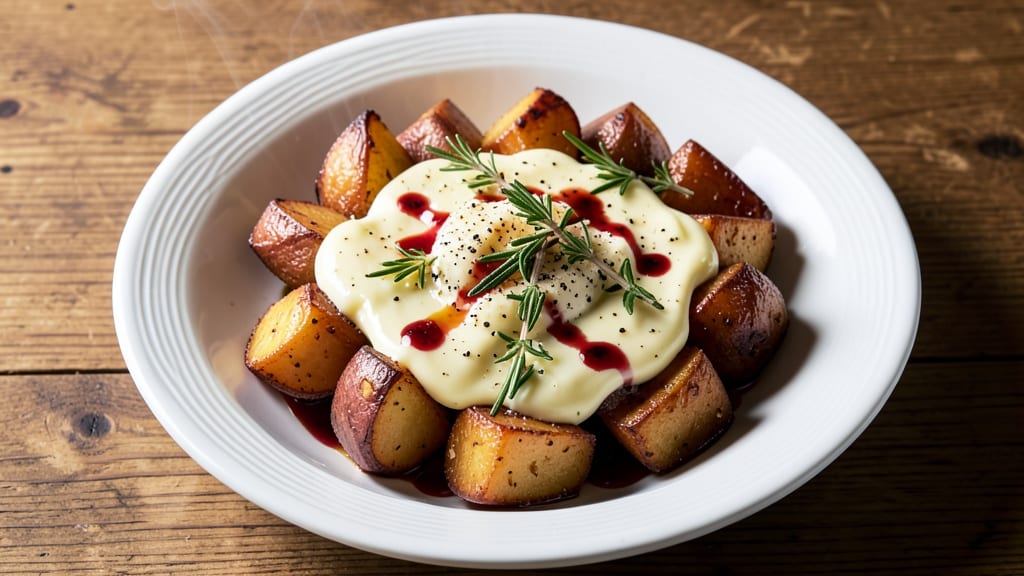
This buttered potatoes recipe transforms simple spuds into a herb-infused roast with a golden vinegar glaze that elevates them from side dish to star. The secret lies in balancing rich butter with bright vinegar and aromatic herbs—creating a texture that's crispy on the edges and tender inside.
I developed this version after years of testing, and it's now my go-to for holiday tables or weeknight dinners where sides need to shine.
What sets this apart is the two-stage cooking method: potatoes start in boiling water for even cooking, then finish in the oven where butter and vinegar work together to form that signature golden crust.
Fresh herbs like rosemary and thyme add depth without overpowering the buttery richness. The result is a dish that's restaurant-quality but simple enough for any home cook to master.
By the time these potatoes emerge from the oven, they'll be perfectly golden, with edges that crackle under the knife and a glaze that clings beautifully. The vinegar brightens the richness of the butter, while herbs add complexity that makes this far more interesting than basic buttered spuds.
This is the kind of side that gets second helpings—and compliments.
Serve alongside roasted meats, grilled fish, or even as a vegetarian main with a fresh salad. The glaze pairs particularly well with herb-roasted chicken or garlic butter steak. With just 45 minutes of active time and ingredients you likely already have, this recipe delivers professional results without the fuss.
Ingredients for buttered potatoes
Pantry staples meet fresh herbs for restaurant-worthy buttered potatoes with golden edges.
| Ingredient | Amount | Notes |
|---|---|---|
| Russet Potatoes 🥔 | 2 ½ lb | Medium size, cut into 1-inch chunks |
| Unsalted Butter 🧈 | ¾ cup | Cold, cut into 1-inch pieces |
| Fresh Rosemary 🌿 | ¼ cup | Chopped finely, stems removed |
| Fresh Thyme 🌿 | ¼ cup | Leaves only, chopped |
| White Wine Vinegar 🍷 | ⅓ cup | High-quality, not balsamic |
| Granulated Sugar 🍚 | 1 tbsp | For balancing acidity |
| Sea Salt 🧂 | 1 ½ tsp | Kosher preferred, for seasoning |
| Fresh Garlic 🧄 | 3 cloves | Minced finely, for depth |
| Olive Oil 🫒 | 2 tbsp | For roasting pan, extra-virgin |
| Black Pepper 🌶️ | ½ tsp | Freshly ground for heat |
The potatoes are the foundation, so Russet potatoes are ideal—their high starch content creates that perfect crispy exterior. Look for firm, unblemished potatoes at the grocery store, and skip the pre-cut bags. Whole Foods or Trader Joe's often carry the best quality. Cut them into even 1-inch chunks for consistent cooking. Fresh herbs like rosemary and thyme are non-negotiable for that aromatic depth—store-bought bundles work, but nothing beats the flavor of fresh. If you're using dried herbs, reduce to one-third the amount, but fresh is truly better here.
No white wine vinegar? Apple cider vinegar works in a pinch, though it has a slightly sweeter profile. The sugar balances the acidity, so don't skip it unless you're using a particularly sweet vinegar like balsamic. For garlic, roasted garlic adds a mellow sweetness, but fresh minced gives that bright punch. If you're prepping ahead, you can chop the herbs and garlic up to a day in advance and store them in the fridge. The butter should be cold and cubed—this ensures it melts beautifully in the oven rather than turning greasy.
These potatoes reheat beautifully—just pop them in a 350°F oven for 10-15 minutes until heated through. They keep in the fridge for 4 days if stored in an airtight container, though they're best fresh. For meal prep, portion them into individual containers so they're ready to grab and reheat. The glaze will thicken slightly upon reheating, so a quick drizzle of olive oil or splash of warm water can help restore its silky texture.
Why You'll Love This Recipe
- One-Pan Magic: I swear by this recipe for lazy nights—just slice, roast, and toss. No boiling, no peeling, no fuss. The potatoes caramelize right on the sheet pan while you chop herbs, and honestly? That’s my kind of cooking.
- Herb-Butter Bliss: The moment those golden potatoes hit your plate with warm butter, rosemary, and thyme? Pure satisfaction. The bright pop of white wine vinegar cuts through the richness, making every bite feel like a little luxury—even on a Tuesday.
- Meal Prep MVP: Between us, these potatoes reheat beautifully. Make a big batch on Sunday, and you’ve got a side dish for lunch meetings, potlucks, or that night you really don’t want to cook. Store them in the fridge for up to 5 days—no one will guess they’re leftovers.
- Budget-Friendly Luxe: Russets are cheap, butter is a splurge you’ll love, and a few sprigs of herbs stretch far. This recipe feeds four for under $8 and tastes like you spent an hour in the kitchen. (Spoiler: You didn’t.)
Step-by-step instructions for herb-infused roasted potatoes
Here's the method to create perfectly crispy, herb-infused roasted potatoes with a rich golden vinegar glaze.
Prepare the Potatoes and Herb Butter
Preheat your oven to 425°F for optimal browning. While it heats, cut the 2.5 lb russet potatoes into 1-inch chunks, removing any blemished spots. Place them in a large bowl and toss with 2 tablespoons olive oil, 1.5 teaspoons sea salt, and 0.5 teaspoon black pepper until evenly coated. This initial seasoning ensures flavor penetration before roasting.
In a separate bowl, combine the 0.75 cup cold unsalted butter (cut into pieces), 0.25 cup finely chopped fresh rosemary, 0.25 cup chopped fresh thyme, 3 cloves minced fresh garlic, and 1 tablespoon granulated sugar. Mix until the butter is fully incorporated and the herbs are evenly distributed. The sugar will help caramelize the butter while balancing the vinegar's acidity later.
Roast the Potatoes Until Golden Brown
Spread the seasoned potatoes evenly on two rimmed baking sheets, leaving space between each piece for even browning. Roast for 25 minutes, stirring once halfway through the time. You'll notice the edges start to crisp and turn golden—that's your signal to flip the potatoes for even cooking.
After 25 minutes, remove the potatoes from the oven and transfer them to a large bowl. Pour the herb butter mixture over the hot potatoes, tossing gently to coat each piece thoroughly. Return the potatoes to the baking sheets and roast for an additional 15 minutes until deeply golden and crispy in spots. The butter should begin to melt and create a glossy sheen on the potatoes.
Create the Vinegar Glaze
While the potatoes finish roasting, combine the 0.33 cup white wine vinegar and 1 tablespoon granulated sugar in a small saucepan. Place over medium heat and bring to a gentle simmer, stirring occasionally until the sugar dissolves completely. This mixture should reduce slightly, creating a syrupy consistency that will glaze the potatoes beautifully.
Simmer for 3-4 minutes until the liquid reduces by about half and thickens slightly. You'll see it transform into a glossy, golden glaze—this is what gives the dish its signature finish. Remove from heat and set aside to cool slightly before drizzling.
Glaze and Serve
Once the potatoes are perfectly golden and crispy, remove them from the oven and transfer them to a serving platter. Drizzle the reduced vinegar glaze evenly over the top, allowing it to seep into the crevices and coat each piece. The acidity from the vinegar will cut through the richness of the butter, creating a balanced flavor profile.
Let the potatoes rest for 2-3 minutes before serving to allow the glaze to set slightly. The result should be tender yet crispy potatoes with a fragrant herb butter coating and a glossy, tangy glaze. Serve immediately while still warm, as the texture and flavors are at their peak.
Pro Tips For Making Buttered Potatoes
- Parboil First: Cut the potatoes into even 1-inch chunks, then boil them uncovered in salted water for 5 minutes before roasting. I learned this the hard way—skipping it leaves you with uneven cooking and a sad, underdone center. (Yes, even if you’re impatient like me.)
- Use Cold Butter: Toss the potatoes with cold, cubed butter right after draining—it melts slower and coats each piece evenly. Hot butter? It’ll slide right off, leaving you with dry, buttery patches instead of a luscious, even glaze. (Trust me, your potatoes will taste like a restaurant dish.)
- Salt the Potatoes Early: Add salt to the boiling water before the potatoes go in, and don’t skimp—about 1.5 teaspoons per pound. The flavor penetrates deeper than if you salt them later, and it keeps them from tasting bland even after the buttery finish. (This is non-negotiable for me.)
- Chop Herbs Coarsely: Tear the rosemary and thyme into large pieces—no need to mince. They’ll release their flavor as they roast, but tiny bits burn quickly and turn bitter. (I used to over-chop them, and it ruined the bright, herbal notes.)
Pro cooking tips for perfect results
Potato Cut Consistency
Cutting potatoes into even 1-inch chunks is non-negotiable for consistent cooking. I use a sharp chef's knife and a mandoline for precision—especially for the flatter sides. Smaller pieces cook faster but risk burning, while larger chunks stay undercooked.
For extra crispiness, I parboil the potatoes for 5 minutes before roasting to firm up the edges. 🥔
Butter Temperature Control
Cold butter is your secret weapon—it melts during roasting, creating a glossy finish rather than a greasy mess. I cut Plugrá unsalted butter into 1-inch cubes and mix it with herbs at room temperature for even distribution.
For extra richness, I replace 2 tablespoons of butter with 2 tablespoons brown butter (cooled slightly) before tossing with the potatoes. The nutty depth elevates the dish dramatically.
Two-Stage Roasting
The 25-minute par-cook at 425°F ensures even cooking before the butter phase. After adding the herb butter, I lower the oven to 400°F for the final 15 minutes to prevent burning.
This two-stage approach prevents soggy centers while achieving that perfect golden crust. I also rotate the pans halfway through for even browning—don’t skip this step! 🔥
Vinegar Glaze Timing
Simmer the vinegar glaze until it reduces by half—this takes exactly 3-4 minutes on medium heat. The sugar should dissolve completely, creating a syrupy consistency. If it reduces too quickly, remove it from heat earlier.
Drizzle the glaze immediately after roasting while the potatoes are still piping hot for maximum adhesion. For extra shine, I finish with a quick spray of olive oil mist using a spray bottle.
Herb Freshness Matters
Fresh herbs make all the difference—dried thyme or rosemary won’t deliver the same aromatic punch. I chop herbs just before roasting to preserve their oils. For a stronger flavor, I lightly toast the herbs in a dry pan for 30 seconds before mixing with butter.
If using store-bought bundles, rinse them thoroughly and pat dry to remove excess moisture, which can make the butter mixture watery. 🌿
Resting for Crispiness
Letting the potatoes rest for 2-3 minutes after roasting is crucial—the glaze sets properly, and the edges stay crisp rather than turning soggy. I transfer them to a wire rack over a baking sheet to prevent steam buildup.
For serving, I arrange them on a platter and garnish with extra fresh thyme sprigs for a restaurant-worthy finish. The contrast of warm potatoes with cool herbs adds visual appeal and balances the richness. ✨
Nutrition facts
Frequently asked questions
Can I make this recipe with Yukon Gold potatoes instead of Russets?
Yukon Golds will give you a creamier texture with a slightly waxier bite. Since they're lower in starch, they'll brown faster, so watch them closely after 20 minutes of roasting. Reduce the oven temperature to 400°F for the final 10 minutes to prevent over-browning.
What if I don't have white wine vinegar?
Apple cider vinegar works beautifully as a substitute—just use the same amount. For a milder taste, try rice vinegar or even lemon juice (reduce to 2 tablespoons and add 1 extra teaspoon sugar to balance acidity). The key is maintaining the same 1:1 vinegar-to-sugar ratio for the glaze.
Why did my potatoes turn out greasy instead of crispy?
Greasy potatoes usually happen when butter melts too quickly or the oven isn't hot enough. Always use cold butter cubes and preheat your oven to 425°F. For extra crispiness, parboil the potatoes for 5 minutes before roasting to firm up the edges. Spread them in a single layer with space between pieces for even browning.
Can I make this ahead of time?
Yes! These potatoes reheat beautifully. Store them in an airtight container for up to 4 days in the fridge. To reheat, spread them on a baking sheet and warm at 350°F for 10-15 minutes until heated through. For extra shine, drizzle with a little warm water or olive oil before reheating. The glaze may thicken slightly, but it'll restore its glossy texture with heat.
What's the best way to serve these potatoes?
These golden potatoes pair perfectly with rich meats like herb-roasted chicken or garlic butter steak. For a vegetarian spread, serve alongside grilled asparagus or a fresh arugula salad. The vinegar glaze adds a bright contrast to creamy sauces like alfredo or béchamel. Garnish with extra fresh thyme or parsley for a pop of color.