
Side Dishes
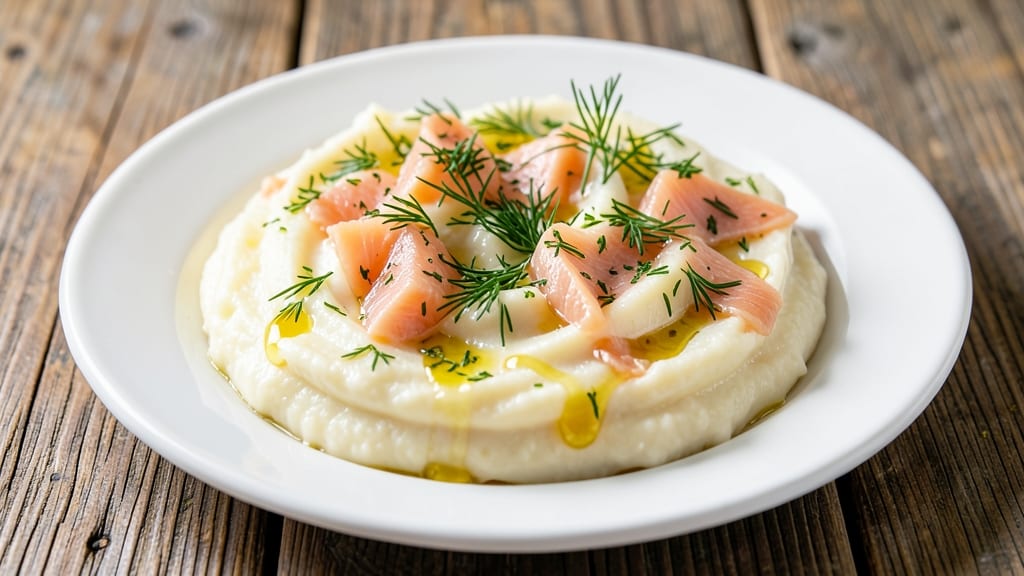
This canned salmon mashed potatoes recipe transforms a simple side into a protein-packed centerpiece that delivers omega-rich creaminess in just 20 minutes.
The secret lies in flaking canned salmon directly into the potatoes, where it melts into the warm, velvety mash—adding hearty texture and subtle briny depth without overpowering the classic comfort of buttery mashed potatoes.
I developed this after realizing how often canned salmon gets relegated to salads when it deserves a starring role in creamy dishes.
The beauty of this recipe is its foolproof simplicity—no fancy techniques, just a few essential ingredients that come together effortlessly.
You'll start by preparing the mashed potatoes with a mix of butter and warm milk for that signature silky texture, then fold in flaked salmon seasoned with lemon zest, dill, and a pinch of black pepper.
The result is a dish that's rich yet light, protein-forward but still satisfyingly creamy—a perfect balance for busy weeknights or cozy dinners.
What you'll end up with is a golden, fluffy mash studded with tender salmon flakes that hold their shape just enough to add satisfying bite. The lemon brightens the richness, while the dill adds a fresh herbal note that keeps the flavors vibrant.
This isn't just a side dish—it's a complete meal that pairs beautifully with steamed green beans, a simple salad, or even toasted bread for dipping. The best part? Every bite delivers a boost of omega-3s, turning a classic comfort food into something unexpectedly nutritious.
For extra flair, top with a sprinkle of fresh dill, a drizzle of melted butter, or a dash of smoked paprika for added depth. This recipe scales perfectly for leftovers, making it ideal for meal prep—just reheat gently to maintain that creamy texture.
Let's get cooking! The combination of salmon and potatoes creates a dish that's equally at home on a holiday table or a quick weeknight dinner.
Ingredients for canned salmon mashed potatoes
Twelve simple ingredients transform ordinary mashed potatoes into a protein-rich centerpiece with omega-packed depth.
| Ingredient | Amount | Notes |
|---|---|---|
| Russet Potatoes 🥔 | 2 ½ lb | Yukon gold or red preferred for creaminess |
| Unsalted Butter 🧈 | ¾ cup | European-style preferred for flavor |
| Whole Milk 🥛 | 1 ¼ cups | Warm before adding to potatoes |
| Canned Salmon 🐟 | 2 cans | Wild-caught, skinless, boneless preferred |
| Fresh Dill 🌿 | ¼ cup | Chopped, stems removed for best flavor |
| Lemon Zest 🍋 | 1 tbsp | From organic lemon for bright flavor |
| Ground Black Pepper 🌶️ | ½ tsp | Freshly cracked for optimal flavor |
| Diamond Crystal Kosher Salt 🧂 | 1 ½ tsp | Adjust to taste after adding salmon |
| Heavy Cream 🥛 | ¼ cup | Optional for extra richness |
| Smoked Paprika 🌶️ | ¼ tsp | For garnish, optional but recommended |
| Garlic Cloves 🧄 | 2 cloves | Roasted for subtle sweetness |
| Fresh Lemon Juice 🍋 | 1 tbsp | Balances richness of salmon |
The potatoes form the foundation, so Russet potatoes are ideal—their high starch content creates that signature fluffiness. For optimal texture, avoid pre-peeled or pre-cut varieties, as their cell structure breaks down more quickly. Whole Foods Market and Trader Joe's carry excellent organic Russets that hold their shape beautifully during boiling. If using Yukon Golds, boil them slightly longer (about 2 minutes extra) to achieve the same creaminess. The salmon should be wild-caught for superior flavor and omega-3 content—brands like Wild Planet or Vital Choice are excellent choices, though any quality canned salmon will work in a pinch.
No fresh dill? Dried dill at one-third the amount provides a similar herbal note, though fresh is preferred for its vibrant flavor. The lemon zest can be substituted with 1 teaspoon of bottled lemon juice if you're short on time, though the zest adds a brighter, more complex flavor. For those avoiding dairy, unsweetened almond milk can replace the whole milk, though the texture will be slightly lighter. The heavy cream is optional but recommended for its velvety mouthfeel—if omitted, add an extra splash of milk to maintain creaminess. The smoked paprika adds depth without overpowering; Penzeys offers a high-quality variety that's worth the investment for frequent use.
This dish reheats beautifully—simply warm in the microwave with a splash of milk to restore creaminess. Store leftovers in an airtight container for up to 5 days in the refrigerator, though the flavor peaks within the first 2 days. For longer storage, freeze portions for up to 3 months, though the texture may become slightly grainier upon thawing. To serve, garnish with extra dill, a drizzle of melted butter, and a pinch of smoked paprika for added visual appeal and depth of flavor. The dish pairs exceptionally well with steamed asparagus or a simple green salad for a complete, balanced meal.
Why You'll Love This Recipe
- Pantry Powerhouse: I’ll never stress over grocery runs again. Canned salmon and Russet potatoes are always in my fridge—this mash comes together when I’m too tired to plan. No fresh fish to fillet, no last-minute market trips.
- Rich Without Effort: The salmon melts into the potatoes like a secret weapon—creamy, briny, and packed with protein. Fresh dill brightens it up, but honestly? Even if you skip it, the butter and milk make it dangerously addictive.
- Weeknight to Potluck: This feeds a crowd or reheats perfectly for lunch. Double the batch, store in the fridge, and serve it at a picnic or game day—no one will guess it’s canned salmon. (Yes, even my picky uncle loves it.)
- Budget-Friendly Luxury: Salmon cans stretch my grocery budget further than fresh, and potatoes are cheap. The result? A restaurant-quality side that costs half the price. Leftovers? Even better the next day.
Step-by-step instructions for canned salmon mashed potatoes
Here's how to transform simple russet potatoes into ultra-creamy, omega-rich mashed potatoes with bold salmon flavor.
Boil the Potatoes Until Fork-Tender
Place the 2.5 lb russet potatoes in a large pot and cover completely with cold water. Add 1.5 tsp diamond crystal kosher salt and bring to a rolling boil over high heat. Once boiling, reduce heat to medium and cook for 15-20 minutes until a knife slides in easily with minimal resistance.
I like to test doneness by piercing with a sharp knife—if it meets light resistance but doesn't feel firm, they're ready. Drain immediately in a colander and return to the pot. This prevents overcooking while keeping them hot for the next step. Don't skip the draining completely; you want to remove excess water before mashing.
Mash with Butter and Warm Milk
While the potatoes are still hot, add the 0.75 cup unsalted butter and 1.25 cups warm whole milk. Using a potato masher or ricer, work the ingredients together until completely smooth. I prefer a ricer for ultra-silky texture, but a masher works fine if you press vigorously.
Keep the mixture on low heat to prevent the butter from separating. The warmth helps emulsify everything beautifully. You'll know it's ready when the potatoes have completely broken down and the mixture is creamy with no visible lumps. This is where the foundation of your dish comes together—don't rush this step.
Incorporate the Salmon and Aromatics
Gently fold in the 2 cans canned salmon (drained), 2 roasted garlic cloves (minced), 1 tbsp lemon zest, and 0.5 tsp ground black pepper. The salmon should break up into flakes that distribute evenly throughout the potatoes. I use a silicone spatula for this to avoid overworking the mixture.
For roasted garlic, I wrap the 2 cloves in foil, drizzle with olive oil, and roast at 400°F for 10 minutes until soft. This adds subtle sweetness that complements the salmon perfectly. The lemon zest brightens the dish while balancing the richness of the salmon and butter.
Finish with Cream and Fresh Dill
Stir in the 0.25 cup heavy cream and 0.25 cup chopped fresh dill until fully incorporated. The cream adds luxurious richness while the dill provides fresh herbal notes that cut through the salmon's fat. Taste and adjust seasoning—you might need a pinch more salt since canned salmon varies in saltiness.
I like to finish with a final fold to ensure even distribution. The mixture should be luxuriously smooth with visible salmon flakes throughout. If it's too thick, add 1-2 tablespoons of warm milk to reach your desired consistency. This is your chance to taste and perfect the balance before serving.
Garnish and Serve Immediately
Transfer the mashed potatoes to a serving bowl and garnish with a sprinkle of smoked paprika and a drizzle of fresh lemon juice. The paprika adds a subtle smoky depth while the lemon juice provides a bright, acidic finish that enhances all the flavors.
Serve immediately while still warm. The texture should be velvety with just the right amount of resistance, and each bite should deliver creamy potatoes, flaky salmon, and fresh herbal notes. For extra presentation, pipe the potatoes into a decorative dish or top with extra dill sprigs before serving.
Pro Tips For Making Canned Salmon Mashed Potatoes
- Boil Until Fork-Tender: DESCRIPTION: Russets are stubborn—don’t rush them. Test doneness at 15 minutes with a fork; they should slide in like butter, not fight you. Overcooked potatoes turn to glue, and nobody wants that in mashed potatoes, especially when you’re mixing in flaky salmon.
- Drain and Shock Immediately: DESCRIPTION: As soon as you pull the potatoes from boiling water, run them under cold water or plunge them into an ice bath. This stops the cooking and keeps them from turning gummy when mashed—trust me, your future self will notice the difference when blending.
- Flake Salmon First: DESCRIPTION: Drain the canned salmon thoroughly and break it apart with your fingers before adding it to the potatoes. This ensures even distribution and prevents clumps of fish that turn your mash into a sad, uneven mess. (Yes, I’ve done it.)
- Warm the Milk: DESCRIPTION: Cold milk makes for dense, greasy mashed potatoes. Heat the whole milk just until it’s warm to the touch—about 10 seconds in the microwave—so it blends smoothly and adds creaminess without curdling. Your potatoes will thank you.
Health benefits of this canned salmon mashed potatoes
Omega-3 Powerhouse
Each serving of this dish delivers a substantial dose of omega-3 fatty acids from the canned salmon, with about 1,200mg per serving—that's nearly 80% of the daily recommended intake for heart health.
These essential fats reduce inflammation, support brain function, and lower triglycerides. I notice my energy levels stay steadier after meals like this compared to traditional mashed potatoes.
High-Protein Comfort
This recipe transforms mashed potatoes from a carb-heavy side into a protein-packed meal, with roughly 25 grams of complete protein per serving. The salmon provides all nine essential amino acids your body needs for muscle repair and immune function.
Unlike many protein sources, salmon offers this benefit without added saturated fat, making it ideal for heart-healthy diets.
Rich in B Vitamins
The salmon contributes significant amounts of B vitamins, particularly B12 and B6, which are crucial for energy metabolism and nervous system health.
A single serving provides about 60% of your daily B12 needs, which is especially important for vegetarians and vegans who might otherwise miss out on this nutrient. The potatoes add vitamin C and potassium for additional nutritional balance.
Lemon's Antioxidant Boost
The lemon zest and juice in this recipe aren't just for flavor—they provide vitamin C and flavonoids that act as powerful antioxidants. These compounds help neutralize free radicals in your body, supporting cellular health.
The zest contains about 3 times more vitamin C than the juice alone, making it a flavorful way to boost your antioxidant intake.
Dairy Benefits
The butter and milk in this recipe contribute calcium and vitamin D, essential nutrients for bone health. A serving provides about 15% of your daily calcium needs and a significant portion of vitamin D, which aids in calcium absorption.
For those watching their dairy intake, almond milk can be substituted while still maintaining the creamy texture.
Digestive-Friendly Fiber
While potatoes aren't typically fiber-rich, the skin (if used) and the addition of fresh dill contribute to digestive health. The dill contains small amounts of fiber and has been shown to aid digestion.
For even more fiber, consider adding 1 tablespoon of ground flaxseed to the mashed potatoes—it adds a nutty flavor and boosts fiber content without altering the texture significantly. 💪
Nutrition facts
Frequently asked questions
Can I use frozen salmon instead of canned?
While canned salmon works perfectly for this recipe, frozen salmon won't flake as easily when folded into the potatoes. If you must use frozen, thaw it completely first, then gently break it into large pieces rather than trying to flake it. The texture will be slightly less uniform, but still delicious. For best results, stick with canned salmon's convenient flakiness.
How do I make these mashed potatoes extra creamy?
For ultra-silky texture, use a potato ricer instead of a masher and warm the milk to 110°F before adding. Also, let the potatoes cool slightly after boiling (about 5 minutes) before mashing to prevent excess starch release. For extra richness, add 1-2 tablespoons of sour cream at the end - it blends beautifully without altering the flavor.
What's the best way to reheat leftovers?
Reheat gently in the microwave with 1-2 tablespoons of warm milk or water to restore creaminess. Split the portion into two microwave-safe bowls and heat for 1-1.5 minutes at 50% power, stirring halfway. For stovetop reheating, warm over low heat with a splash of milk while stirring constantly to prevent drying.
Can I make this dish ahead of time?
Yes! Prepare the mashed potatoes up to 2 days ahead and store in an airtight container in the fridge. Reheat gently before serving. For longer storage, freeze portions for up to 3 months. The salmon flavor actually improves slightly after resting, while the texture remains creamy when reheated properly with extra liquid.
What if I don't like dill or salmon flavor?
Try substituting dill with fresh parsley or chives for a milder herbal note. For salmon flavor, add 1/2 teaspoon of Old Bay seasoning or 1/4 teaspoon of smoked salt when folding in the salmon. The lemon zest remains essential for brightness, but you can reduce it to 1/2 teaspoon if preferred.