
Side Dishes
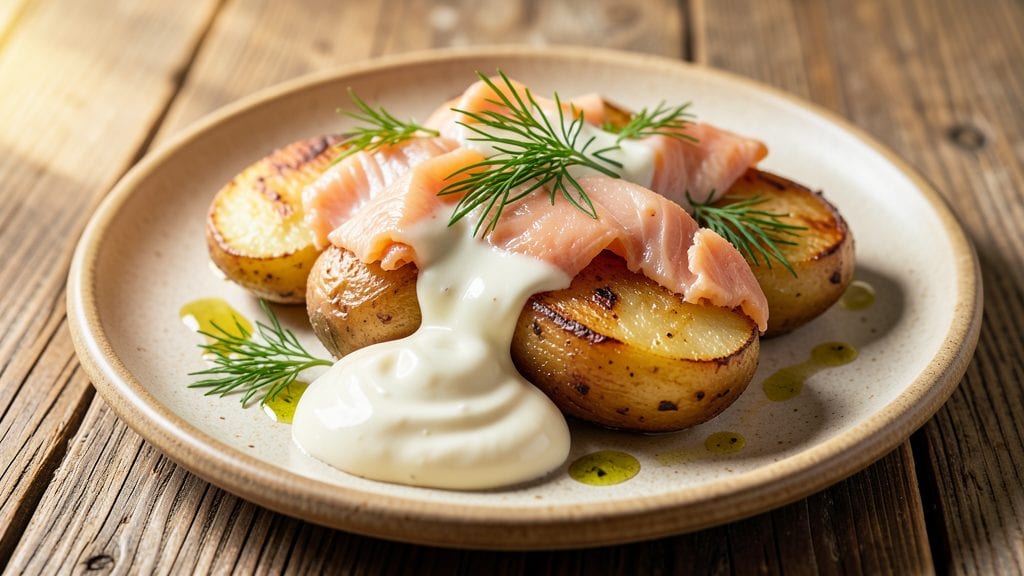
This canned salmon and potatoes recipe transforms simple pantry staples into a protein-packed dinner that feels restaurant-worthy with minimal effort. The secret lies in balancing the rich, briny flavor of canned salmon with creamy, herbed potatoes—creating a dish that’s both comforting and sophisticated.
I developed this one-pan method after realizing how often canned salmon gets overlooked in favor of fresh, but with the right seasoning and technique, it delivers the same depth of flavor.
The beauty of this recipe is its versatility—whether you bake, sauté, or mash the potatoes, the canned salmon adds a satisfying protein boost without requiring special ingredients.
A bright lemon-dill sauce or a simple cream-based dressing elevates the dish, cutting through the richness of the salmon while keeping the potatoes tender and flavorful.
Ready in just 30 minutes, it’s perfect for weeknight dinners when you want something hearty but don’t have hours to spend in the kitchen.
What you’ll end up with is a cohesive, protein-rich meal where every bite delivers a perfect balance of textures and flavors. The potatoes stay creamy or crispy, depending on your preference, while the salmon flakes easily, soaking up the sauce for maximum flavor.
This dish is foolproof, budget-friendly, and packed with nutrients—ideal for anyone looking to stretch their grocery budget without sacrificing taste.
Serve it as a standalone meal or pair it with steamed green beans or a simple salad for a complete dinner. The recipe scales easily, so you can make it for two or feed a crowd. Let’s get cooking—this one-pan wonder is about to become a staple in your rotation.
Ingredients for canned salmon potato
Pantry staples meet protein powerhouse—just eight ingredients for a restaurant-worthy one-pan dinner.
| Ingredient | Amount | Notes |
|---|---|---|
| Canned Salmon (wild-caught) 🐟 | 2 cans | Drained, flaked, skin removed |
| Yukon Gold Potatoes 🥔 | 2 lbs | Cut into 1-inch cubes |
| Extra-Virgin Olive Oil 🫒 | ¼ cup | For roasting potatoes |
| Heavy Cream 🥛 | ½ cup | Full-fat for richness |
| Fresh Dill 🌿 | ¼ cup | Chopped, stems removed |
| Fresh Lemon Juice 🍋 | 2 tbsp | Freshly squeezed |
| Garlic Cloves 🧄 | 4 cloves | Minced for sauce |
| Diamond Crystal Kosher Salt 🧂 | 1 ½ tsp | For seasoning |
| Freshly Ground Black Pepper 🌶️ | ½ tsp | Freshly cracked |
| Unsalted Butter 🧈 | 2 tbsp | For finishing |
| Green Onions 🧅 | 2 whole | Sliced, for garnish |
| Fresh Chives 🌿 | 2 tbsp | Chopped, for garnish |
| Dried Parsley 🌿 | 1 tsp | For finishing |
| Red Bell Pepper 🌶️ | 1 whole | Diced, optional |
Wild-caught canned salmon is the star here. Trader Joe's or Vital Choice brands are my go-to—they’re sustainably sourced and pack serious flavor. Look for the skinless, boneless variety in water, not oil (it’s lighter). The Yukon Gold potatoes? They’re creamy and hold their shape better than Russets when roasted. If you can’t find them, Russets work too, but they’ll turn out drier. I always buy potatoes in bulk from Costco—they’re cheaper and fresher than the grocery store bins. The key is cutting them evenly so they cook at the same rate.
No fresh dill? Dried dill at one-third the amount works, but it lacks that bright pop. Same goes for lemon juice—bottled is fine, but fresh is worth the squeeze. Running low on heavy cream? Half-and-half plus a splash of milk keeps things creamy. The red bell pepper is optional but adds a nice crunch—swap in frozen if you’re in a pinch (thaw and drain first). For the garlic, peel and mince it fresh—jarred garlic has a weird aftertaste. And if you’re avoiding dairy, coconut cream mimics the richness surprisingly well.
This dish reheats like a dream—just pop it in the oven at 350°F for 10 minutes. Store leftovers in the fridge for 4-5 days, covered with a splash of milk to keep the potatoes from drying out. The salmon and sauce taste even better the next day, honestly. For meal prep, I double the recipe and portion it into containers—one for lunch, one for dinner. The potatoes stay tender for days if you keep them submerged in the sauce. Freezes beautifully too, though the texture gets a little softer after thawing.
Why You'll Love This Recipe
- Five-Ingredient Magic: I swear, this recipe feels like cheating—just potatoes, salmon, cream, oil, and dill. No fancy techniques, no last-minute grocery runs. Honestly, I keep the canned salmon in my pantry for days like this.
- Rich Without Effort: That creamy heavy cream and wild-caught salmon? It’s like a hug in a skillet. The Yukon Golds soak up the flavor while staying buttery, and the dill? Freshly chopped, because dried just won’t cut it.
- Lunchbox Hero: Pack it cold for work or school—it reheats beautifully, and the salmon stays flaky. My kids beg for it in their lunches (yes, even the picky eater), and it’s the only thing I stress less about making ahead.
- Budget Luxury: Wild salmon is pricey fresh, but canned? A steal. Yukon Golds are pricier than russets, but they’re worth it for that velvety texture. This feeds four for under $10 and tastes like you spent hours. Between us, who cares about hours?
Step-by-step instructions for canned salmon and potatoes
This one-pan wonder delivers restaurant-quality flavor with minimal effort—just follow these simple steps.
Roast the Potatoes Until Golden and Crisp
Preheat your oven to 425°F and line a large baking sheet with parchment paper. Toss the 2 lbs yukon gold potatoes (cut into 1-inch cubes) with 0.25 cup extra-virgin olive oil, 1 tsp diamond crystal kosher salt, and 0.25 tsp freshly ground black pepper. Spread them in a single layer—don't crowd the pan, or they'll steam instead of crisp.
Roast for 30-35 minutes, flipping halfway through, until the edges are deep golden brown and the potatoes feel tender when pierced with a fork. The potatoes should smell earthy and slightly sweet—this is your cue they're ready. If they're not quite browned, return them to the oven for another 5 minutes.
Sauté Aromatics and Flake the Salmon
While the potatoes roast, heat 2 tbsp unsalted butter in a large skillet over medium heat. Add the 4 cloves minced garlic and sauté for 30 seconds until fragrant—don't let it brown, or it'll turn bitter. Stir in the 1 whole diced red bell pepper (if using) and cook for 2 minutes until slightly softened.
Drain and flake the 2 cans canned salmon (wild-caught), removing any skin or bones. Add the salmon to the skillet and gently fold it with the garlic and bell pepper. Let it warm through for 1-2 minutes, just until the salmon is heated through and the flavors meld. Remove from heat and set aside.
Build the Creamy Dill Sauce
In the same skillet (no need to clean it—the browned bits add flavor), pour in the 0.5 cup heavy cream and bring to a gentle simmer over low heat. Add the 0.25 cup chopped fresh dill and 2 tbsp fresh lemon juice, stirring until the sauce thickens slightly—about 3-4 minutes. The sauce should coat the back of a spoon but still be silky, not grainy.
Season with the remaining 0.5 tsp diamond crystal kosher salt and 0.25 tsp freshly ground black pepper. Taste and adjust—you want the acidity of the lemon to balance the richness of the cream. If the sauce is too thick, whisk in 1-2 tbsp water to loosen it.
Combine Everything and Finish
Transfer the roasted potatoes to the skillet with the salmon mixture. Gently fold everything together, letting the potatoes soak up the creamy dill sauce. Cook for 2-3 minutes over low heat until the potatoes are fully coated and heated through. The dish should look vibrant, with the salmon flakes peeking through the creamy sauce.
For extra richness, stir in the 2 tbsp unsalted butter and let it melt into the sauce. Taste again and adjust seasoning if needed—this is your chance to perfect the balance of flavors. The dish should be bright, herby, and just slightly tangy.
Garnish and Serve Immediately
Divide the salmon and potatoes among 4 plates, garnishing each serving with 2 tbsp chopped fresh chives and sliced green onions. Sprinkle with 1 tsp dried parsley for a pop of color and a fresh finish. Serve while the potatoes are still warm and the sauce is silky—this dish doesn't reheat well, so enjoy it fresh from the pan.
Pair with a crisp green salad or crusty bread to soak up every last bit of that creamy, herby sauce. The contrast of textures—crispy potatoes, flaky salmon, and smooth sauce—makes this a standout weeknight dinner.
Pro Tips For Making Canned Salmon Potato
- Drain and Rinse Salmon: Open the can and drain the salmon over a colander, then rinse it under cold water—this removes that metallic aftertaste canned fish sometimes leaves behind. I learned this the hard way after serving a batch where the salmon flavor was overpowering instead of subtle.
- Parboil Potatoes First: Cut the Yukon Golds into even chunks, then boil them for 5 minutes before finishing in the cream. This guarantees they’ll be tender without turning to mush later—no more sad, waterlogged potatoes ruining the dish.
- Use Cold Cream: Whisk the heavy cream cold straight from the fridge into the warm potatoes. The temperature shock keeps the sauce from curdling, and the cream stays silky instead of separating like it does when you pour it in hot.
- Toast the Dill: Tear the fresh dill into small pieces and briefly toast them in the olive oil over low heat for 10 seconds—just until fragrant. This deepens the flavor without overpowering, and the leaves stay vibrant instead of wilting into a sad green mush.
Regional styles of this dish
Scandinavian Potato-Salmon
In Sweden, this dish often appears as potatis med lax—simple yet deeply satisfying. The Scandinavians use new potatoes (small, waxy varieties) boiled in salted water until tender, then tossed with dill, butter, and a squeeze of lemon.
I swap in canned salmon for convenience, adding it warm to the potatoes with a splash of sour cream instead of heavy cream for that signature tang. Serve with pickled herring on the side for a true Nordic experience. 🌍
New England Clam Chowder Twist
Up north, I’ve seen this dish reimagined as a salmon-potato chowder—a hearty, creamy stew perfect for cold weather. Start with diced potatoes simmered in fish or chicken broth until soft, then stir in flaked canned salmon, heavy cream, and a handful of fresh dill.
Add a pinch of Old Bay seasoning for that coastal flavor. Top with crumbled bacon and green onions for a Maine-inspired twist. 🍲
Mediterranean Lemon-Garlic Style
For a brighter, herb-forward take, I lean into Mediterranean flavors—sauté garlic and red bell pepper in olive oil, then fold in the roasted potatoes and salmon. Deglaze with white wine (or broth) and finish with lemon zest, fresh parsley, and a drizzle of olive oil.
The acidity cuts through the richness, making it feel light yet satisfying. Pair with warm pita bread for dipping. 🍋
Southern Creamed Salmon Potatoes
Down South, this dish often gets a creamy, cheesy upgrade—think Cajun-inspired with a kick. After roasting the potatoes, stir in sharp cheddar cheese and a dash of Cayenne pepper with the salmon. Finish with a splash of hot sauce (like Crystal or Tabasco) and chives.
The heat balances the creaminess, giving it a Louisiana bayou vibe. Serve with cornbread for the full Southern experience. 🌶️
Japanese Teriyaki Salmon Potatoes
For an Asian-inspired twist, I marinate the salmon in soy sauce, mirin, and a touch of honey before flaking it into the dish. Toss the roasted potatoes with sesame oil and toasted sesame seeds, then fold in the salmon.
Top with scallions and a drizzle of teriyaki glaze for a sweet-savory balance. This version is perfect for a quick, umami-rich weeknight meal. 🍜
German Kartoffel-Salat Fusion
In Germany, Kartoffelsalat (potato salad) often stars with hard-boiled eggs and mustard. Here, I blend that tradition with canned salmon by mixing boiled potatoes with a dressing of Dijon mustard, vinegar, and olive oil.
Fold in the flaked salmon, red onion, and fresh dill, then chill for 30 minutes before serving. The tangy dressing keeps the dish light yet protein-packed. 🥔
Nutrition facts
Frequently asked questions
Can I substitute fresh salmon for canned in this recipe?
Use 12 oz fresh salmon fillets instead of canned. Poach or bake them first until fully cooked (145°F internal temp), then flake before mixing with the potatoes. Fresh salmon has a firmer texture, so it holds its shape better in the sauce. Just reduce the cooking time by 5-7 minutes since it won't need to heat through as long as canned salmon.
What if I don't have fresh dill? Can I use something else?
Yes! For fresh dill, use 1 tsp dried dill (one-third the amount) or swap with 1 tbsp fresh parsley or chives for a milder flavor. If you're out of herbs entirely, try 1 tsp lemon zest or ½ tsp dried tarragon for a different but still bright note. The key is balancing the richness of the salmon and cream with something acidic or herbal.
How can I make this dish lower in calories?
Swap the heavy cream for Greek yogurt or light cream, reduce olive oil to 1 tbsp, and use low-fat cheese if adding any. For extra protein without calories, stir in 1 cup cooked quinoa or ½ cup frozen peas at the end. The potatoes will still be satisfying, and the dish will feel lighter while keeping the creamy texture.
Why did my potatoes turn out soggy instead of crispy?
This usually happens from overcrowding the pan or under-roasting. For crispy potatoes, cut them into even 1-inch cubes and spread them in a single layer on the baking sheet. Roast at 425°F for 35-40 minutes, flipping halfway, until golden brown. If they're still soft, return them to the oven for another 5-10 minutes. The high heat is key—don't skip it!
Can I make this ahead of time for meal prep?
Yes, but with a few tweaks. Assemble the dish (except garnish) up to 2 days ahead and refrigerate. Reheat in the oven at 350°F for 10-15 minutes, covered with foil, until warmed through. For best texture, add a splash of milk or cream when reheating to restore moisture. The flavors actually improve overnight as they meld!