
Side Dishes
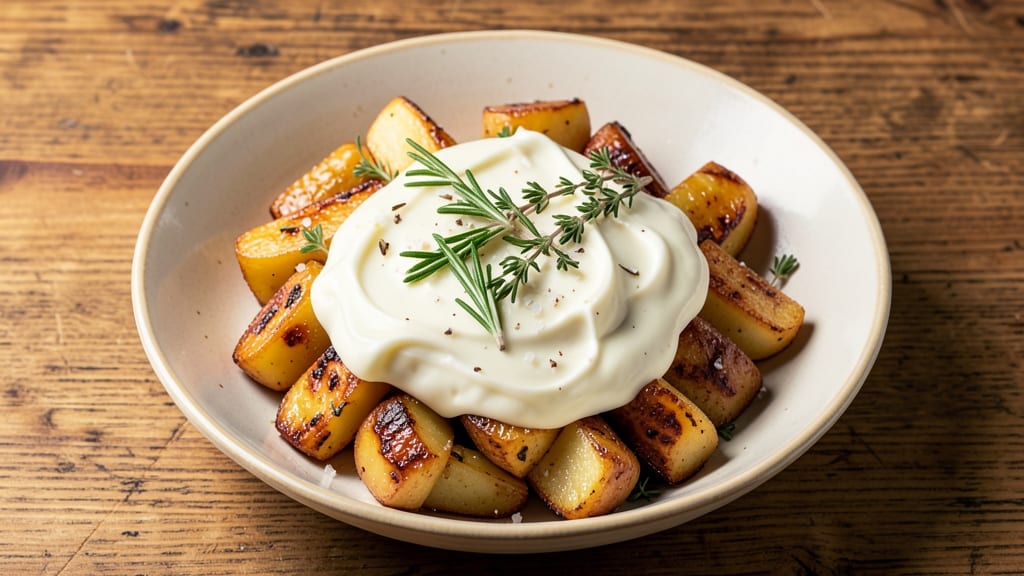
Slow-cooked confit potatoes transform humble spuds into a luxurious side dish with crispy edges and tender centers—all thanks to a French technique that’s been perfected for centuries.
The secret lies in cooking potatoes in fat (traditionally duck fat or lard) at low temperatures, allowing them to absorb rich, savory flavors while staying moist. I’ve adapted this classic method to use garlic and herbs for a modern twist that pairs beautifully with roasted meats or grilled fish.
This recipe delivers restaurant-quality results with minimal effort—just 30 minutes of prep and 1 hour of hands-off cooking. The potatoes develop a golden, caramelized crust from the hot fat while staying creamy inside, thanks to the slow, even heat.
Whether you’re hosting a dinner party or simply craving a special side, these confit potatoes elevate any meal with their bold, aromatic profile.
The process is straightforward but requires patience: potatoes are parboiled first to soften them slightly before being submerged in fat with garlic and herbs. As they cook, the fat renders and infuses the potatoes with flavor, creating a dish that’s both comforting and refined.
Serve them hot or at room temperature—either way, they’re guaranteed to impress.
For added depth, consider finishing with a sprinkle of fresh parsley or a drizzle of reduced pan juices. This technique works equally well with Yukon Gold or russet potatoes, making it versatile for any occasion. Let’s get started on this timeless side dish that’s as satisfying as it is elegant.
Ingredients for confit potatoes
French-inspired technique meets home kitchen simplicity with these rich, aromatic confit potatoes.
| Ingredient | Amount | Notes |
|---|---|---|
| Russet Potatoes 🥔 | 2 lbs | Cut into 1-inch chunks, peeled |
| Unsalted Butter 🧈 | 1 cup | Cold, cut into 1-inch cubes |
| Garlic Cloves 🧄 | 8 whole | Smashed, skin on for flavor |
| Fresh Rosemary 🌿 | ¼ cup | Chopped, stems removed |
| Fresh Thyme 🌿 | ¼ cup | Leaves only, stems removed |
| Kosher Salt 🧂 | 1 ½ tbsp | For seasoning and cooking |
| Black Peppercorns 🌶️ | 1 tsp | Freshly cracked, coarse |
| Olive Oil 🫒 | ¼ cup | For finishing drizzle |
| Fresh Parsley 🌿 | ⅛ cup | Chopped, for garnish |
The Russet potatoes are the foundation—Yukon Golds work too, but Russets hold their shape better during the long cook. Look for firm, unblemished potatoes at the grocery store; Whole Foods or Trader Joe's carry the best quality. If you can't find fresh rosemary, dried will work at one-third the amount, but fresh is ideal for that bright, piney aroma. The unsalted butter should be cold when you cut it—this ensures proper layering of fat during cooking. For the garlic, smash the cloves with the flat side of your knife to release more flavor without burning.
No fresh herbs? Dried thyme and rosemary are fine, but reduce to one-third the amount—they’re more concentrated. Running short on butter? Duck fat or lard are traditional alternatives, but olive oil in a pinch works too (though the flavor profile shifts slightly). The Kosher salt is crucial—it seasons the potatoes during the parboil and enhances the fat infusion. If you don’t have freshly cracked peppercorns, pre-ground works, but toast them lightly in a dry pan first to deepen the flavor. The olive oil at the end isn’t just for drizzling—it helps create that signature crispy crust when reheated.
Store any leftovers in the fat they cooked in, covered tightly, for up to 5 days in the fridge. The potatoes reheat beautifully—400°F for 15-20 minutes until crispy. For longer storage, freeze in a single layer before transferring to a bag for up to 3 months. The herbs and garlic can be prepped ahead and stored in the fridge for 3 days, but the butter should stay cold until cooking. These potatoes are even better the next day as the flavors meld—plan to make extra for sandwiches or salads.
Why You'll Love This Recipe
- One-Pan Magic: I swear by this recipe because it’s that simple—just peel, slice, and bake. No chopping boards, no mess, just Russets and butter in one pan while you stir-fry chicken or toss a salad. Honestly, the only thing harder is deciding whether to eat them first or save them for later.
- Buttery-Garlic Bliss: That crispy edge with the creamy, buttery center? Chef’s kiss. The garlic and rosemary infuse into the butter until it’s ridiculously flavorful—like a hug from a French bistro. (Yes, even on a Tuesday night.)
- Meal Prep MVP: I make a double batch every Sunday because these potatoes reheat like a dream. Toss them with eggs for breakfast, pile them on a sandwich, or serve them alongside roasted chicken—no one will guess they’re from yesterday. My secret weapon for lazy days.
- Budget-Friendly Luxury: Russets are cheap, butter makes it feel fancy, and a few sprigs of thyme stretch the flavor. Between us, this is the kind of dish that makes you feel like you’re eating well without breaking the bank. Not the prettiest, but the taste makes up for it.
Step-by-step instructions for slow-cooked garlic and herb confit potatoes
Transform simple russet potatoes into rich, infused confit with this foolproof method.
Prepare the Potatoes and Herb Butter Base
Preheat your oven to 350°F. In a large mixing bowl, combine the 2 lbs russet potatoes cut into 1-inch chunks with the 1 cup cold unsalted butter cut into 1-inch cubes. Use your hands to thoroughly coat each potato piece, ensuring the butter adheres completely. This creates the flavorful base for your confit.
In a separate small bowl, mix together the 0.25 cup chopped fresh rosemary, 0.25 cup fresh thyme leaves, 1.5 tbsp kosher salt, and 1 tsp freshly cracked black peppercorns. Sprinkle this herb mixture evenly over the buttered potatoes, pressing gently to help the seasoning adhere. The aromatic herbs will infuse deeply during the cooking process.
Layer and Bake for Initial Infusion
Transfer the seasoned potatoes to a 9x13-inch baking dish, spreading them in an even layer. The potatoes should be arranged in a single layer without overcrowding to allow proper heat circulation. This initial baking step helps develop flavor before the final confit stage.
Bake uncovered for 45 minutes, stirring once halfway through, until the potatoes are tender when pierced with a fork but not yet falling apart. You'll notice the butter begins to melt and pool around the potatoes, creating a rich, golden sauce. This step ensures the potatoes absorb the herb butter flavor before the final confit process.
Create the Confit Mixture and Finish Baking
Remove the baking dish from the oven and let it cool slightly for 5 minutes. In a small saucepan over low heat, gently warm the 0.25 cup olive oil until just hot enough to release the aromatics from the 8 smashed garlic cloves (leave skins on for maximum flavor). Add the garlic and cook for 2-3 minutes until fragrant but not browned.
Pour this garlic-infused oil over the warm potatoes in the baking dish, tossing gently to coat evenly. Return the dish to the oven and bake for an additional 30-40 minutes at 350°F, until the potatoes are fork-tender and the mixture has a thick, creamy consistency. The garlic oil will meld with the herb butter, creating a deeply flavorful confit.
Rest and Garnish for Serving
Once the potatoes reach 205°F internally (use an instant-read thermometer), remove them from the oven and let them rest for 10 minutes. This resting period allows the flavors to fully meld and the potatoes to absorb all the infused oils. During this time, taste and adjust seasoning if needed—you may want to add a pinch more salt to enhance the flavors.
Before serving, garnish each portion with 0.125 cup chopped fresh parsley for a pop of color and freshness. The final dish should have a creamy, golden-brown surface with visible herb flecks throughout. Serve immediately while warm, as the confit continues to develop flavor even after baking.
Pro Tips For Making Confit Potatoes
- Parboil First, Then Roast: I learned this the hard way—skipping the parboil step leaves you with uneven cooking and a dry center. Boil the Russets whole in salted water for 8-10 minutes until a knife slides in easily, then drain and let them dry completely before roasting. This guarantees tender insides and crispy edges every time.
- Use Cold Butter: Dumping melted butter over hot potatoes? That’s a shortcut to greasy, soggy results. Chill the butter until it’s firm but spreadable, then slice it into thick pats. Tuck them under the potatoes as they roast—this keeps them from dissolving into a pool of fat.
- Smash Garlic, Don’t Mince: After burning three batches, I finally figured out why my garlic tasted bitter: mincing it releases too much oil and burns easily. Instead, smash 3-4 whole cloves with the flat side of your knife, then scatter them under the potatoes. They’ll soften perfectly without turning acrid.
- Skip the Crowding: Yes, even if you’re impatient like me, resist the urge to fill the pan. Give the potatoes space—crowding steams them instead of browning. Arrange them in a single layer, cut-side down, with at least ½ inch between each. The crispy bits are worth the wait.
Dietary considerations for this confit potatoes
Gluten-Free Adaptation
Confit potatoes are naturally gluten-free since they rely on potatoes, butter, herbs, and olive oil—all gluten-free ingredients. However, always double-check your kosher salt and peppercorns for cross-contamination warnings if using store-bought blends.
For extra flavor without risk, I recommend Diamond Crystal kosher salt (certified gluten-free) and freshly cracked peppercorns from a trusted brand like Penzeys. 🌱
Dairy-Free Option
Swap the unsalted butter for duck fat or lard to maintain the confit technique while eliminating dairy. I use La Tourangelle duck fat—it renders beautifully and adds a rich, savory depth.
For a neutral option, avocado oil works in a pinch, though it lacks the same flavor complexity. Just ensure your chosen fat has a high smoke point for even cooking. 🦆
Low-Carb Adjustments
This recipe is already low-carb-friendly as written, but you can enhance it further by using cauliflower mash as a topping or side. For a heartier dish, serve alongside sautéed mushrooms or grilled zucchini.
The confit method works perfectly with rutabaga or turnips too—just reduce cooking time by 15-20 minutes since these root vegetables soften faster. 🥬
Allergen-Friendly Tips
For nut allergies, avoid any cross-contamination with shared utensils or surfaces if you’ve handled nuts recently. If using duck fat, ensure it’s from a nut-free facility—brands like Mary’s Gone Crackers often specify allergen-free processing.
For soy-sensitive cooks, check your kosher salt for anti-caking agents (some contain soy lecithin). I always keep Morton kosher salt on hand as a safe bet. 🚫
Keto Considerations
This recipe fits seamlessly into a keto diet with under 5g net carbs per serving (assuming 4 servings). To boost fat content further, add crumbled bacon or sautéed bacon fat to the final dish.
For extra protein, top with fried eggs or crispy prosciutto. The garlic-infused olive oil adds healthy fats while keeping carbs minimal—perfect for low-carb enthusiasts. 🥓
Vegetarian Modifications
The original recipe is vegetarian, but for a vegan version, replace butter with olive oil and use vegan butter (like Miyoko’s) for richness. Ensure your kosher salt is vegan-certified—Redmond Real Salt is a reliable choice.
The duck fat can be swapped for coconut oil (rendered until liquid) for a plant-based alternative. Flavor remains bold and satisfying! 🌿
Nutrition facts
Frequently asked questions
What makes confit potatoes different from regular roasted potatoes?
The key difference is the slow cooking method in fat. Confit potatoes are parboiled first, then baked in butter or duck fat with aromatics, creating a creamy texture with crispy edges. Regular roasted potatoes rely on high heat and oil for browning, while confit potatoes develop their rich flavor through gentle, prolonged cooking.
Can I use olive oil instead of butter for confit potatoes?
Yes, but the flavor will differ. Olive oil works in a pinch, especially if you want a lighter option, but butter or duck fat creates that signature rich, savory depth. For best results, use a high-quality extra-virgin olive oil and add a splash of garlic-infused oil to mimic the butter's flavor.
How do I reheat confit potatoes without drying them out?
Reheat in a 350°F oven for 15-20 minutes with a drizzle of olive oil or the fat they cooked in. For extra crispiness, broil for 2-3 minutes at the end. Avoid microwaving—they’ll turn soggy. The residual fat helps maintain moisture while restoring that golden crust.
What’s the best way to store leftover confit potatoes?
Store in an airtight container with the cooking fat (or a drizzle of olive oil) to keep them moist. They’ll last 5 days in the fridge or 3 months in the freezer. For freezing, spread them in a single layer first to prevent clumping. Reheat gently to preserve texture.
Can I make confit potatoes ahead of time for a dinner party?
They actually taste better the next day as flavors meld. Cook them 1 day ahead, then reheat before serving. For a crowd, double the recipe—they’re perfect for buffet-style meals. Just keep them warm in a 200°F oven until serving.