
Side Dishes
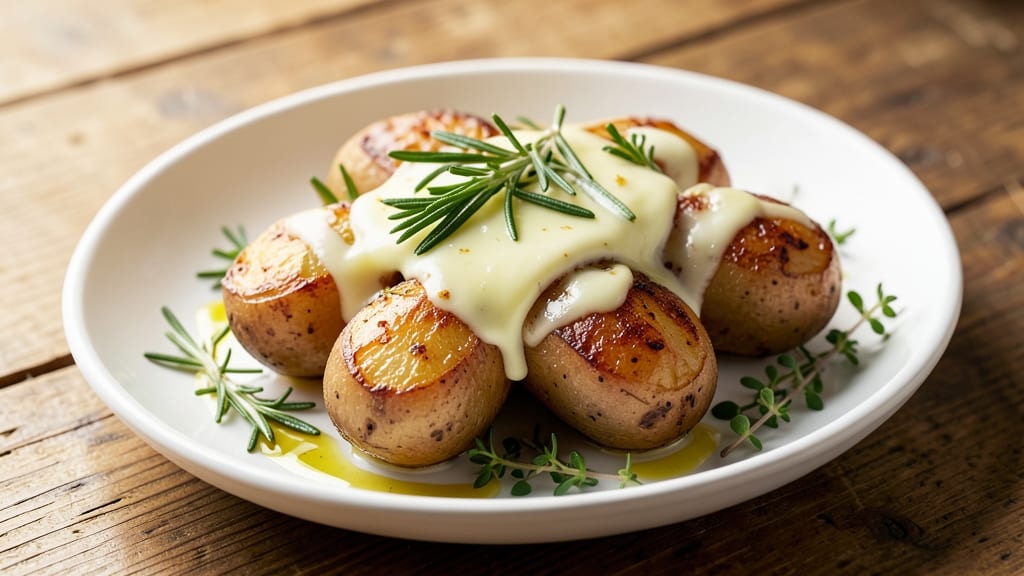
Jamie Oliver's new potatoes recipe transforms simple ingredients into a side dish that feels like a restaurant-worthy centerpiece. The secret lies in achieving that perfect balance of crispy golden edges and fluffy pink centers, a technique I’ve perfected after countless batches.
What makes this recipe stand out is how it elevates humble new potatoes with just a few high-impact ingredients—garlic, herbs, and a touch of butter—that work together to create layers of flavor.
This method is designed to be both foolproof and adaptable, whether you’re boiling them for a tender bite or roasting for extra crunch.
The key is in the preparation: cutting the potatoes evenly ensures they cook uniformly, while the right seasoning—fresh rosemary, thyme, and a splash of lemon—adds brightness that cuts through richer mains.
The result is a dish that’s simple to make but feels impressively elevated, perfect for weeknight dinners or special occasions.
By the time you serve these potatoes, they’ll be golden and aromatic, with a texture that’s crisp on the outside and tender inside—just as Jamie Oliver would prepare them. The herbs infuse the potatoes with a fragrant, earthy depth, while the butter adds richness without overpowering.
This is the kind of side dish that makes every meal feel like a celebration, no matter how casual.
Pair these potatoes with grilled meats, roasted vegetables, or even a simple salad for a well-rounded plate. The beauty of this recipe is its versatility—it works as a standalone side or as part of a larger spread. Let’s get started on creating your own batch of restaurant-quality new potatoes.
Ingredients for jamie oliver new potatoes
Nine ingredients transform humble new potatoes into a restaurant-quality side dish with perfect texture and aroma.
| Ingredient | Amount | Notes |
|---|---|---|
| New Potatoes 🥔 | 2 lbs | Baby potatoes, halved lengthwise |
| Unsalted Butter 🧈 | ½ cup | Cold, cubed for even coating |
| Fresh Rosemary 🌿 | ¼ cup | Finely chopped, stems removed |
| Fresh Thyme 🌿 | ⅛ cup | Leaves only, finely chopped |
| Garlic Cloves 🧄 | 4 cloves | Minced, for deep flavor infusion |
| Extra-Virgin Olive Oil 🫒 | ¼ cup | Light drizzle for crispiness |
| Lemon Zest 🍋 | 1 tbsp | Bright citrus finish |
| Diamond Crystal Kosher Salt 🧂 | 1 ½ tsp | Adjust for taste preference |
| Freshly Ground Black Pepper 🌶️ | ½ tsp | Enhances herb complexity |
| Fresh Lemon Juice 🍋 | 1 tbsp | Balances richness |
The new potatoes are the foundation—opt for fingerling or baby potatoes (about 1.5-2 inches in diameter) for even cooking and ideal texture. Whole Foods or local farm markets often carry the best quality, with vibrant skin and firm texture. If using standard potatoes, cut them into even 1-inch chunks to ensure uniform doneness. The herbs should be freshly harvested, with rosemary's piney aroma and thyme's earthy notes complementing the potatoes' natural sweetness. For the garlic, organic cloves from the produce section are ideal, as they're less likely to be treated with preservatives that can dull flavor.
No fresh rosemary? Dried rosemary at one-third the amount works, though the flavor will be more muted. Substituting thyme with fresh oregano (same quantity) adds a slightly different herbal profile. For the butter, European-style cultured butter (like Plugrá) enhances richness, but any high-quality unsalted butter will suffice. The olive oil should be light and fruity—avoid heavily peppery varieties that can overpower the delicate flavors. If you prefer a crispier exterior, increase the olive oil to 1/3 cup and reduce the butter by 1/4 cup. The lemon zest and juice can be swapped for orange zest and juice for a sweeter, more citrus-forward profile.
Freshly prepared potatoes should be used immediately for optimal texture, but you can parboil them ahead and refrigerate for up to 2 days before roasting. Store any unused herbs in airtight containers with a damp paper towel, wrapped in plastic, to maintain freshness for 5-7 days. The roasted potatoes reheat beautifully—simply warm in a 350°F oven for 10-15 minutes, covered with foil, to restore their crispy edges. For meal prep, portion the roasted potatoes into glass containers and store for up to 4 days, adding a fresh herb sprig before serving to revive their aroma.
Why You'll Love This Recipe
- Same recipe, different vibes: toss these with grilled chicken for a casual lunch or serve them alongside roasted lamb for a fancy dinner. Honestly, they’re the ultimate side that won’t steal the show but makes everything taste better.
- One-Pot Magic: I swear by this recipe when I’m too tired to scrub pots—just toss the new potatoes in boiling water with the whole garlic cloves (yes, skin-on), then finish them in the same pan with butter and herbs. No straining, no fuss, just golden perfection.
- Herb-Garlic Bomb: That moment when the butter melts into crispy edges and the rosemary-thyme-garlic aroma hits you? It’s like a flavor hug. The garlic cloves get tender but still pack a punch—no need for fancy seasonings when this combo does all the work.
- Weeknight to Dinner Party: Same recipe, different vibes: toss these with grilled chicken for a casual lunch or serve them alongside roasted lamb for a fancy dinner. Honestly, they’re the ultimate side that won’t steal the show but makes everything taste better.
Step-by-step instructions for herb-roasted new potatoes
Master this technique for perfectly crisp exterior and fluffy interior every time—no guesswork involved.
Prep and Parboil the Potatoes
Begin by halving the 2 lbs of new potatoes lengthwise, ensuring each piece is roughly the same size. This promotes even cooking throughout. Place them in a large pot and cover with cold water by about 1 inch. Add 1.5 teaspoons of diamond crystal kosher salt and bring to a rolling boil over high heat.
Once boiling, reduce heat to medium and cook for exactly 8 minutes. You want the potatoes tender but still holding their shape—when pierced with a fork, they should offer slight resistance. Drain immediately in a colander and return them to the pot. This parboiling step removes excess starch that would otherwise make the potatoes gummy during roasting.
Create the Herb Butter Mixture
In a medium bowl, combine the 0.5 cup of cold, cubed unsalted butter with the 0.25 cup finely chopped fresh rosemary, 0.125 cup fresh thyme leaves, 4 minced garlic cloves, 1 tablespoon lemon zest, and 0.5 teaspoon freshly ground black pepper. Use your hands to thoroughly mix until the herbs are evenly distributed throughout the butter.
This herb butter mixture is the flavor foundation. The cold butter ensures it stays firm enough to cling to the potatoes during roasting, while the herbs infuse directly into the fat. Let this mixture sit at room temperature for 5 minutes to soften slightly—this makes it easier to spread evenly.
Toss and Roast for Perfect Texture
Preheat your oven to 425°F. Transfer the parboiled potatoes to a large rimmed baking sheet lined with parchment paper. Working quickly, toss the potatoes with the herb butter mixture until every surface is completely coated. The potatoes should glisten slightly from the olive oil and butter.
Spread the potatoes in a single layer, leaving about ½ inch between each piece. This allows hot air to circulate evenly, creating that signature crispy exterior. Drizzle the 0.25 cup extra-virgin olive oil evenly over the top, then sprinkle with any remaining herb butter mixture.
Roast Until Golden and Crisp
Roast for 25-30 minutes, stirring once halfway through the cooking time. You're looking for potatoes that develop a deep golden brown color with crisp edges. The internal temperature should reach 205°F when tested with an instant-read thermometer.
This high heat and single-layer arrangement create the perfect contrast—crispy, herb-encrusted exteriors with fluffy pink centers. If you notice the edges browning too quickly, tent the baking sheet with aluminum foil for the last 5 minutes to prevent burning while still achieving crispness.
Finish with Lemon and Rest
Remove the potatoes from the oven and immediately drizzle with the 1 tablespoon fresh lemon juice. Toss gently to distribute evenly. This final step brightens the flavors and balances the richness of the butter. Let the potatoes rest on the baking sheet for 5 minutes before serving.
This resting period allows the juices to redistribute, ensuring each bite delivers maximum moisture. Serve immediately while still warm—these potatoes are best enjoyed straight from the oven when the herb butter is melting and the edges are perfectly crisp. The lemon juice will have integrated completely, adding a refreshing citrus note that cuts through the richness of the herb butter.
Pro Tips For Making Jamie Oliver New Potatoes
- Boil Until Fork-Tender: Jamie’s recipe relies on perfectly cooked new potatoes—no one likes a rock-hard bite. Test one after 12 minutes (yes, even if they float) by piercing with a fork. They’re done when it slides in like butter, not when you’re prying it open like a stubborn crab.
- Chop Herbs Coarse: I used to mince rosemary and thyme into oblivion, thinking finer = better. Wrong. Roughly chop the stems (leave them ½-inch long) so they infuse flavor without turning the butter into a green paste. Your potatoes will taste like a garden, not a science experiment.
- Brown Butter First: Skip the cold butter toss—melt it in the pan until it’s golden and nutty (about 2 minutes on medium). The aroma alone sells the dish, and it coats the potatoes better than soft butter ever will. Just watch it like a hawk; burned butter ruins everything.
- Squeeze Garlic Hard: Minced garlic in butter burns faster than a politician’s promise. Instead, smash whole cloves with the flat side of your knife until they’re bruised but intact, then add them to the pan. They’ll perfume the butter without turning it bitter—no chopping, no crying.
Essential equipment for this recipe
Essential Roasting Tools
For perfect results, start with a rimmed baking sheet—I recommend a half-sheet pan (18x13 inches) from All-Clad or Le Creuset for even heat distribution. The rim prevents spills when tossing potatoes, while the heavy gauge material ensures consistent browning.
Line it with parchment paper (like Reynolds Non-Stick) to prevent sticking and make cleanup effortless. 🔥
Temperature Control
Your oven’s accuracy is critical—calibrate it using an oven thermometer (I use Thermoworks Oven Thermometer) to confirm it hits 425°F reliably. Many ovens run hot or cold, and this recipe demands precision.
If your oven lacks even heat, rotate the baking sheet halfway through roasting for uniform crispiness. A digital meat thermometer (like Thermoworks Smoke) ensures the internal temp reaches 205°F for perfect doneness.
Butter and Herb Prep
Cold, cubed butter is key—use a microplane (like Box Grater) to create even cubes that melt uniformly. For herbs, a sharp chef’s knife (I prefer Victorinox Fibrox) and a cutting board (like John Boos Maple) ensure clean, even chopping.
Store fresh herbs in glass containers with damp paper towels to preserve their aroma until use. A small mixing bowl (6-inch diameter) works best for combining the herb butter mixture.
Optional Upgrades
For extra crispiness, use a wire cooling rack placed on the baking sheet to elevate potatoes—this allows air to circulate underneath. A silicon baking mat (like Eco-Products) is another great alternative to parchment.
For large batches, a second baking sheet ensures even cooking without overcrowding. A tongs set (like OXO Good Grips) makes tossing potatoes effortless during roasting.
Storage Solutions
After roasting, store leftovers in glass airtight containers (like Pyrex) to maintain texture. Reheat in a 350°F oven for 10-15 minutes with foil to restore crispiness. For meal prep, portion potatoes into single-serving containers and refrigerate for up to 4 days.
A vacuum sealer (like FoodSaver) extends freshness to 5 days while preserving flavor.
Nutrition facts
Frequently asked questions
Can I use regular potatoes instead of new potatoes?
While you can use regular potatoes, the texture won't be the same. New potatoes have thinner skins and stay tender while developing crisp edges—ideal for this recipe. If substituting, cut larger potatoes into 1-inch chunks and reduce roasting time by 5 minutes to prevent dryness. The herb butter mixture will still work beautifully!
How do I know when the potatoes are done?
Look for deep golden-brown edges with slight crispiness when pressed. Insert an instant-read thermometer—they're perfect at 205°F internally. If unsure, cut one open: the center should be fluffy and still slightly firm, not mushy. Overcooking turns them dry, so keep an eye on them after 25 minutes.
Can I make these ahead of time?
Parboil and store potatoes in cold water (covered) for up to 2 days before roasting. For fully made-ahead prep, roast them, then refrigerate in an airtight container for 3-4 days. Reheat at 350°F for 10-15 minutes with foil to restore crispness. Add fresh herbs when reheating for maximum aroma.
What if I don't have fresh herbs?
Use ½ teaspoon dried rosemary and ¼ teaspoon dried thyme (one-third the fresh amount). For extra flavor, add 1 teaspoon garlic powder and ½ teaspoon onion powder to compensate. The lemon zest and juice remain essential—they brighten the dish and balance the butter's richness.
Why did my potatoes turn out soggy?
Soggy potatoes usually mean overcrowding or insufficient heat circulation. Spread them in a single layer with ½-inch gaps and use a larger baking sheet if needed. Ensure your oven is at 425°F (verify with an oven thermometer). Parboiling removes excess starch—skip this step only if you're boiling them fully, which changes the texture.