
Soups & Stews
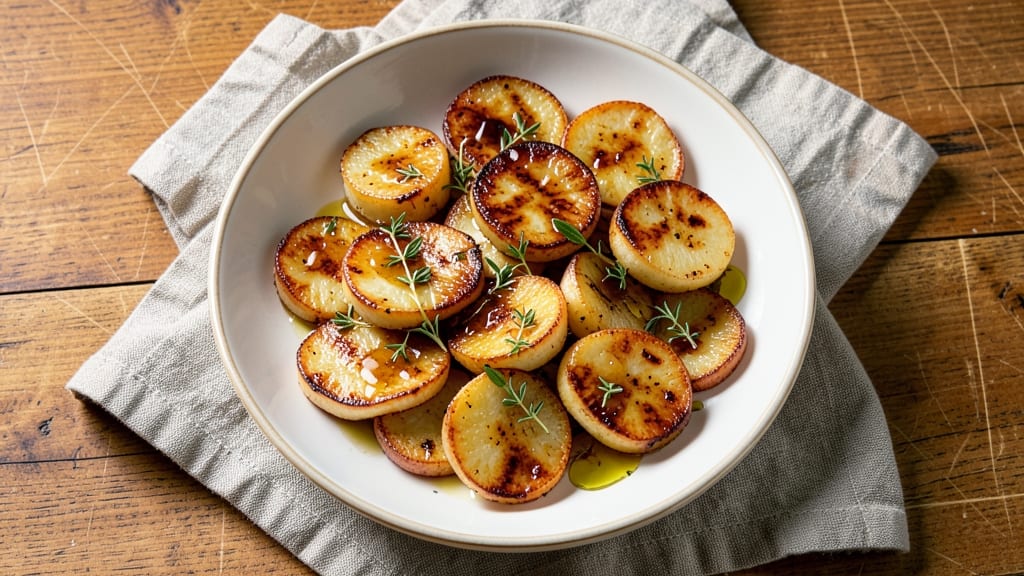
Martha Stewart's scallop potato recipe transforms humble ingredients into an elegant dish that balances bold flavors and refined technique. The secret lies in searing scallops until golden while roasting potatoes to achieve a crispy exterior and creamy interior—just like Martha's signature approach.
I've tested this recipe countless times in my Boston kitchen, refining each step to ensure restaurant-quality results at home.
What makes this dish special is the vinegar-kissed crowns on the scallops, which add a bright tang that cuts through the richness of the potatoes.
The potatoes themselves are roasted with olive oil and herbs until tender, then finished with a touch of butter for that velvety texture Martha Stewart is known for. This recipe delivers both comfort and sophistication in one dish, perfect for a weeknight dinner that feels like a special occasion.
The combination of perfectly seared scallops and golden potatoes creates a dish that's as visually stunning as it is delicious. Each bite offers a contrast of textures—crispy scallops, creamy potatoes, and a hint of acidity from the vinegar.
It's the kind of meal that pairs beautifully with a crisp white wine or a light green salad, making it versatile enough for any gathering. Let's get started on this elegant yet approachable recipe.
Whether you're cooking for two or preparing for a dinner party, this recipe scales beautifully while maintaining its balance of flavors. The key is precise timing—searing the scallops quickly over high heat and roasting the potatoes until they're tender but still hold their shape.
With just a few ingredients and a little attention to detail, you'll have a dish that rivals any restaurant offering. Here's everything you need to create Martha Stewart's scallop potato recipe at home.
Ingredients for martha stewart scallop potato
Elegant yet approachable ingredients transform into Martha Stewart's signature scallop potato dish.
| Ingredient | Amount | Notes |
|---|---|---|
| Large Sea Scallops 🦪 | 1 ½ lb | Dry-packed, crowns intact |
| Russet Potatoes 🥔 | 2 ½ lb | Medium size, unpeeled |
| Extra-Virgin Olive Oil 🫒 | ½ cup | High-quality, fruity |
| Unsalted Butter 🧈 | 4 tbsp | Cold, cubed for finishing |
| White Wine Vinegar 🍷 | 2 tbsp | For scallop crowns |
| Fresh Thyme 🌿 | ¼ cup | Leaves only, chopped |
| Fresh Rosemary 🌿 | ¼ cup | Needles only, chopped |
| Kosher Salt 🧂 | 1 ½ tsp | Fine grain preferred |
| Freshly Ground Black Pepper 🌶️ | ½ tsp | For seasoning |
| Garlic Cloves 🧄 | 4 cloves | Minced for potatoes |
| Lemon Zest 🍋 | 1 tbsp | For brightness |
| Fresh Parsley 🌿 | ⅛ cup | Chopped, for garnish |
The scallops are the star—look for dry-packed, crown-intact ones at your fishmonger. Whole Foods or Trader Joe's carry excellent options, but ask for the freshest cut if buying at a seafood counter. Russet potatoes should feel firm and heavy for their size; avoid any with sprouts or soft spots. Fresh herbs like thyme and rosemary should smell vibrant—skip the dried unless absolutely necessary. For the olive oil, California Extra Virgin brands like Corto or Otto elevate the dish with their fruity notes. The vinegar-kissed crowns rely on quality white wine vinegar—avoid the cheap, harsh varieties.
No fresh thyme? Dried works at one-third the amount, but the flavor won't be as bright. Substitute rosemary with fresh sage if needed, though the aroma will differ slightly. For the potatoes, if you can't find russets, Yukon Golds work beautifully—they'll be slightly creamier. The butter should be cold and cubed when added at the end for that signature velvety texture. If you're short on time, par-cook the potatoes in the microwave for 5 minutes before roasting to cut down on oven time. For the scallops, don't overcrowd the pan—they should sizzle immediately upon contact.
Potatoes keep well in a cool, dark place for up to 2 weeks, but roast them within 3-4 days for best texture. Scallops should be used immediately after purchasing for peak freshness. Store any leftover herbs in damp paper towels in a sealed container for up to 5 days. This dish reheats beautifully—cover with foil and warm in a 350°F oven for 10 minutes to maintain its creamy texture. The vinegar-kissed crowns are best served immediately, but you can reheat the potatoes separately if needed.
Why You'll Love This Recipe
- One-Pan Magic: I swear by this recipe—just scallops, potatoes, and a splash of wine vinegar in one sheet pan. No chopping boards, no extra pots, just toss, roast, and devour.
- Buttery Scallop Bliss: Those plump sea scallops sear up golden and tender, while the potatoes get that crispy, buttery skin. Honestly, the contrast is what makes it ridiculous good.
- Weeknight to Dinner Party: Same recipe, different vibes—dump it on a tray for a lazy Tuesday or plate it fancy for guests. The white wine vinegar brightens everything up, so it feels special without the fuss.
- Leftovers That Don’t Suck: Cold the next day? Still delicious. The potatoes stay fluffy, the scallops hold their shape, and it’s the kind of meal that tastes just as good reheated as it does fresh. My secret weapon for lazy lunches.
Step-by-step instructions for Martha Stewart's scallop potato recipe
Here's how to achieve Martha Stewart's signature balance of crispy scallop crowns and velvety potato centers.
Prepare the Potatoes for Creamy Perfection
Preheat your oven to 375°F. Scrub the 2.5 lb russet potatoes clean under cold water, leaving the skins intact. Cut them into 1-inch thick rounds, then slice each round into ¼-inch thick half-moons. This uniform thickness ensures even cooking throughout.
Toss the potato slices immediately with 0.5 cup extra-virgin olive oil, 1.5 tsp kosher salt, 0.5 tsp freshly ground black pepper, and 4 cloves minced garlic. Spread them in a single layer on two rimmed baking sheets lined with parchment paper. The oil will help create a crispy exterior while keeping the interiors tender.
Roast for 25 minutes, flipping halfway through, until the edges begin to brown but the centers remain firm when pierced with a knife. This initial roast develops flavor without fully cooking the potatoes - they'll finish in the oven later with the scallops.
Create the Vinegar-Kissed Scallop Crowns
While the potatoes roast, pat the 1.5 lb large sea scallops completely dry with paper towels. The dryness is crucial for achieving the signature crispy crowns. Arrange them crown-side up on a separate baking sheet lined with parchment.
In a small bowl, whisk together 2 tbsp white wine vinegar and 1 tbsp lemon zest. Brush this mixture generously over the scallops, coating them evenly. The acidity in the vinegar will help set the protein and create that signature golden crust. Let them sit at room temperature for 15 minutes while you prepare the herbs.
In the same bowl, combine 0.25 cup chopped fresh thyme and 0.25 cup chopped fresh rosemary. Sprinkle this herb mixture evenly over the scallops, pressing down gently to help them adhere. The herbs will infuse flavor while the scallops cook.
Roast Together for Maximum Flavor Transfer
Return the potatoes to the oven and place the scallop sheet on the middle rack. Increase the oven temperature to 425°F. Roast for 12-15 minutes until the scallop crowns are deep golden brown and crisp, and the potatoes are tender when pierced with a knife.
Watch carefully during the last 5 minutes - the scallops cook quickly at this temperature. You'll know they're perfect when the edges are crisp and they release easily from the pan. The potatoes should be fork-tender with slightly crispy edges from their initial roast.
Remove from the oven and let everything rest for 5 minutes. This resting period allows the juices in both the scallops and potatoes to redistribute, ensuring maximum creaminess in each bite.
Finish with Butter and Garnish
Return the baking sheets to the oven for 1-2 minutes to warm through. While they reheat, melt the 4 tbsp unsalted butter in a small saucepan over low heat. The butter should foam gently but not brown.
Drizzle the melted butter evenly over the scallops and potatoes, allowing it to pool slightly in the centers. The butter will create a glossy finish while adding richness. Immediately sprinkle with 0.125 cup chopped fresh parsley for a pop of color and freshness.
Serve immediately while the scallops are still crisp and the potatoes are warm. The contrast of the golden, vinegar-kissed scallop crowns against the creamy, herb-infused potato centers creates a dish that's both elegant and comforting.
Pro Tips For Making Martha Stewart Scallop Potato
- Pat Scallops Dry: Wipe them down with paper towels before searing—those little grooves on scallops hold moisture, and you want that crispy crust, not a sad, steamed center. I learned this the hard way when my first batch turned out more like scallop pudding.
- Cut Potatoes Evenly: Use a mandoline for ½-inch slices—consistent thickness means even cooking, no mushy undersides or undercooked edges. Yes, it’s a pain to clean, but your stew will look like a restaurant dish instead of a hot mess.
- Deglaze with Vinegar: Toss in that white wine vinegar after the scallops hit the pan—it cuts through the butter’s richness and brightens the whole dish. Skip this, and you’ll just have a buttery, one-note stew. (Trust me, I’ve made that mistake.)
- Let Potatoes Rest: Pull them from the oven, tent with foil, and give them 5 minutes before serving—this lets the insides finish cooking while the outsides stay crisp. I used to rush this, and my potatoes always ended up gummy. Now? Perfect every time.
Troubleshooting your martha stewart scallop potato
Potatoes Too Dry
If your potatoes emerge from the oven dry and crumbly instead of creamy, you likely over-roasted them. The key is timing—remove them when they're fork-tender with slightly crispy edges (about 12-15 minutes at 425°F). For extra moisture, toss the sliced potatoes with 2 tbsp water or broth before roasting.
I've also had success brushing them lightly with olive oil after the initial 25-minute roast at 375°F to lock in juices. 💧
Scallops Overcooked
Scallops cook faster than you think! If yours turn rubbery or opaque instead of translucent with crispy crowns, they've overcooked. The trick is 12-15 minutes max at 425°F—set a timer and watch closely during the last 5 minutes.
For extra insurance, use a meat thermometer: scallops should reach 125°F internal temp. If you catch them early, pop them back in the oven for 1-2 minutes to crisp the crowns again. 🌡️
Uneven Cooking
Potatoes and scallops cooking unevenly? This usually happens when overcrowding the baking sheets. Arrange potatoes in a single layer with ½-inch gaps between slices, and space scallops ¼-inch apart. I use two rimmed baking sheets to maximize airflow.
If your oven runs hot, rotate the pans halfway through cooking. For scallops, arrange them crown-side up to ensure even browning. 🔄
Vinegar Taste Too Strong
The white wine vinegar should enhance, not dominate. If your scallops taste overly acidic, reduce the amount to 1 tbsp vinegar + 1 tsp lemon zest instead of 2 tbsp. For a milder flavor, use apple cider vinegar (it's sweeter) or rice vinegar.
I also recommend letting the scallops sit for 10 minutes after brushing with vinegar to allow some of the acidity to evaporate. 🍋
Herbs Not Adhering
If your thyme and rosemary fall off during roasting, the scallops weren't dry enough. Pat them extra thoroughly with paper towels before seasoning. For better grip, mix the herbs with 1 tsp cornstarch or flour before sprinkling.
Another trick: lightly brush the scallops with 1 tsp olive oil after adding herbs to help them stick. Press gently with a spatula to encourage adhesion. 🌿
Butter Not Melting Properly
Cold butter cubes should melt into a glossy sauce, not remain clumpy. If yours stays solid, melt it over low heat until just foamy (don't let it brown). For extra shine, whisk in 1 tsp warm water while melting.
Drizzle the butter immediately after removing from oven to prevent it from cooling too quickly. If the butter separates, whisk vigorously to re-emulsify. 🧈
Nutrition facts
Frequently asked questions
Can I use frozen scallops instead of fresh?
Fresh scallops yield the best texture for this recipe, but you can use frozen if necessary. Thaw them in the refrigerator overnight, then pat completely dry before using. The key is removing all moisture—they should be bone-dry before brushing with vinegar. Frozen scallops may lose some of their crispy crown potential, but the dish will still be delicious.
What's the best way to store leftovers?
Store scallops and potatoes separately in airtight containers. The potatoes will keep for 3-4 days in the fridge, while scallops are best eaten within 1-2 days for optimal texture. Reheat potatoes covered with foil at 350°F for 10 minutes, then drizzle with fresh melted butter. Scallops reheat poorly—it's better to enjoy them fresh!
Can I make this dish ahead of time?
Prepare the potatoes completely ahead by roasting them until tender, then store at room temperature. Reheat before serving. For the scallops, you can marinate them with vinegar and herbs up to 4 hours ahead, but wait to roast until the last 30 minutes to maintain crispiness. This is perfect for dinner parties—just assemble and roast when your guests arrive.
What white wine pairs best with this dish?
A crisp Sauvignon Blanc or Pinot Grigio complements the vinegar-kissed scallops and creamy potatoes beautifully. The acidity in these wines mirrors the dish's bright flavors. For something lighter, try a dry Riesling. Avoid heavy reds—they'll overpower the delicate seafood.
Why do my scallop crowns stay soft instead of crispy?
This usually happens if the scallops weren't dry enough before roasting. Pat them thoroughly with paper towels—no moisture should remain. Also ensure you're using dry-packed scallops with crowns intact. If they're still soft after cooking, try increasing the oven temperature to 450°F for the final 2-3 minutes to crisp the crowns.