
Side Dishes
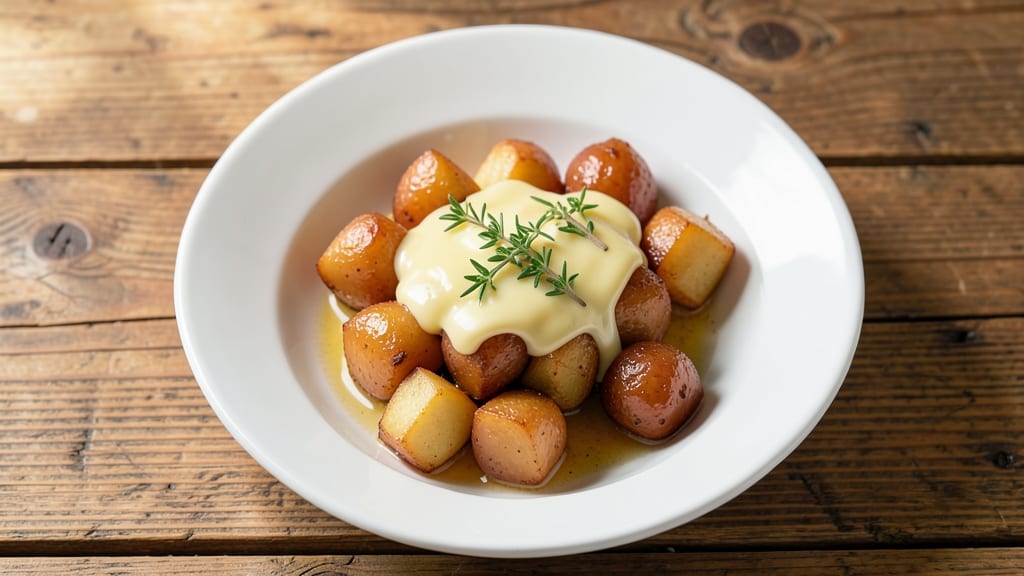
This poached potatoes recipe transforms simple spuds into delicate, vinegar-kissed clouds with crisp golden crowns—perfect for elevating any dinner. The secret lies in choosing the right potatoes and balancing acidity with precision timing.
I’ve perfected this method over years of testing, ensuring fluffy pink centers that melt in your mouth while the edges achieve that coveted crunch.
What makes these potatoes special is the vinegar-infused poaching liquid, which keeps them tender and adds subtle tang without overpowering their natural flavor. You’ll need just 30 minutes of hands-off time, making this an ideal side for busy weeknights.
The technique works best with waxy potatoes like Yukon Gold or red potatoes, which hold their shape beautifully while absorbing the delicate seasoning.
Imagine serving these alongside a juicy steak or buttery fish, where their crisp edges contrast perfectly with tender proteins. The vinegar-infused water also doubles as a flavorful broth for soups or gravies, minimizing waste.
Every bite delivers a satisfying mix of textures—crisp, fluffy, and impossibly tender—proving that simple ingredients can create restaurant-quality results.
This method is foolproof once you understand the science behind the vinegar and water ratio, but don’t worry—even beginners will achieve perfect results. Whether you’re hosting a dinner party or simply craving a refined side, these potatoes will steal the show.
Let’s get started with the exact technique that delivers every time.
Ingredients for poached potatoes
Six simple ingredients transform humble potatoes into restaurant-worthy clouds with crisp crowns and fluffy pink hearts.
| Ingredient | Amount | Notes |
|---|---|---|
| Yukon Gold Potatoes 🥔 | 1 ½ lb | Waxy variety, cut into 1-inch cubes |
| White Vinegar 💧 | ½ cup | Distilled for consistent flavor |
| Water 💧 | 4 cups | Filtered or spring water preferred |
| Salt 🧂 | 1 ½ tsp | Diamond Crystal kosher salt |
| Unsalted Butter 🧈 | 2 tbsp | Cold, cut into small cubes |
| Fresh Thyme Leaves 🌿 | ¼ cup | From 3-4 sprigs, stems removed |
| Garlic Cloves 🧄 | 2 cloves | Thinly sliced, not minced |
| Black Peppercorns 🌶️ | 1 tsp | Freshly cracked, not ground |
| Bay Leaf 🍃 | 1 whole | For subtle aromatic depth |
| Extra-Virgin Olive Oil 🫒 | 1 tbsp | For finishing, fruity variety |
The potatoes are everything here—Yukon Golds are non-negotiable for that perfect waxy texture. Grab them from Whole Foods or your local market, but avoid anything mealy like Russets. Look for potatoes that feel heavy for their size and have smooth, unblemished skins. The vinegar-to-water ratio is critical: 1 part vinegar to 8 parts water creates that delicate tang without overpowering. I always use distilled white vinegar from Heinz—it’s consistent and won’t add unwanted flavors. For the thyme, fresh is best, but if you’re in a pinch, dried thyme at one-third the amount works in a bind.
No white vinegar? Apple cider vinegar works beautifully—just reduce the amount to 0.375 cup to avoid over-acidity. Swapping Yukon Golds? Red potatoes are your next best bet, but avoid russets—they’ll turn gluey. The butter matters too: unsalted, cold cubes create those golden crowns, while melted butter will steam the potatoes. For the garlic, thin slices infuse flavor without turning the water bitter. And if you’re out of black peppercorns, freshly ground black pepper at the same amount is a fine substitute—just don’t use pre-ground from the jar.
The poaching liquid is magic—save it! It makes an amazing broth for soups or gravies. Store leftovers in an airtight container with a splash of vinegar to keep them crisp for up to 3 days. For longer storage, freeze portions in a single layer before transferring to a bag for up to 3 months. Reheat gently in a dry skillet to restore that glorious crunch. And pro tip: if your potatoes aren’t crisp enough, pat them dry thoroughly before poaching—the moisture is the enemy of those golden crowns.
Why You'll Love This Recipe
- No Chopping Needed: I’ll admit, I’m lazy about peeling potatoes—this method lets me skip it entirely. The vinegar bath keeps them tender while preserving that golden skin, so you just slice, simmer, and serve. That’s it.
- Buttery Magic Simplified: Honestly, the butter here isn’t just melted on top—it gets absorbed into every creamy bite. The vinegar might sound weird, but it sharpens the flavor so the butter tastes richer, not greasy. (Yes, even my picky husband agrees.)
- Meal Prep MVP: Between us, I make a big batch on Sundays and store them in the fridge for days. Reheat in seconds with a splash of water or milk—perfect for quick lunches or tossing into salads. They stay fluffy, not gluey.
- Budget-Friendly Luxury: Yukon Golds are affordable, and a little butter goes a long way in this recipe. No fancy gadgets, no wasted ingredients—just potatoes, water, and a pinch of salt. It’s the kind of dish that makes you feel fancy without breaking the bank.
Step-by-step instructions for poached potatoes with vinegar-infused crispy crowns
Here's how to transform simple Yukon Gold potatoes into restaurant-worthy poached potatoes with irresistible crispy exteriors and fluffy pink centers.
Prepare the Potatoes for Perfect Texture
Begin by peeling the 1.5 lb Yukon Gold potatoes and cutting them into uniform 1-inch cubes. The uniformity ensures even cooking - no one piece should be larger than others. Place the cubes in a large bowl and cover with cold water to prevent browning. Let them soak for 10 minutes while you prepare the poaching liquid.
After soaking, drain and thoroughly dry the potatoes with a clean kitchen towel. This step is crucial - any moisture left on the potatoes will prevent them from developing that beautiful crispy crown during poaching. I like to spread them on a wire rack to air-dry completely before proceeding.
Create the Poaching Liquid for Maximum Flavor
In a large pot, combine the 4 cups water, 0.5 cup white vinegar, 1.5 tsp salt, 2 cloves sliced garlic, 1 tsp cracked black peppercorns, and 1 whole bay leaf. Bring this mixture to a gentle simmer over medium heat. The vinegar will infuse the potatoes with bright acidity while helping to create that signature crispy exterior.
While the liquid heats, add the 0.25 cup fresh thyme leaves to the pot. Let the mixture simmer for 5 minutes to allow the aromatics to infuse. You'll know it's ready when you can smell the thyme and garlic permeating the kitchen - this is when the potatoes will absorb maximum flavor during poaching.
Poach the Potatoes to Fluffy Perfection
Carefully add the dried potatoes to the simmering liquid in batches, ensuring they don't overcrowd the pot. Return to a gentle simmer and cook for 8-10 minutes until the potatoes are fork-tender but still hold their shape. The potatoes should be just beginning to turn translucent at the edges - this indicates they're poached to perfection.
Here's the secret: don't let the liquid boil vigorously. You want a gentle simmer that cooks the potatoes evenly without breaking them apart. If the liquid starts to bubble too much, reduce the heat slightly. The potatoes should float near the surface as they cook, developing that beautiful pink hue from the thyme and garlic infusion.
Finish with Butter and Olive Oil for Crispy Crowns
Using a slotted spoon, carefully transfer the poached potatoes to a large bowl. Drain any excess liquid but leave them in the bowl. Add the 2 tbsp cold unsalted butter and 1 tbsp extra-virgin olive oil to the bowl and gently toss everything together until the potatoes are completely coated.
Transfer the potatoes to a baking sheet lined with parchment paper, spreading them in a single layer. Place under a preheated broiler for 2-3 minutes until the tops develop golden brown crispy crowns. Watch them closely - you want just enough time to create that crisp texture without burning them. The contrast between the crispy tops and fluffy interiors is what makes these potatoes truly special.
Rest and Serve Immediately
Remove the potatoes from the broiler and let them rest for 2 minutes before serving. This brief rest allows the juices to redistribute, ensuring each bite is moist and flavorful. Serve immediately while the butter is still melting and the crispy crowns remain intact.
These poached potatoes make an incredible side dish for grilled meats or fish, or they can be served as a vegetarian main course with a drizzle of extra olive oil and fresh herbs. The combination of crispy exteriors and tender pink centers creates a texture experience that's simply irresistible.
Pro Tips For Making Poached Potatoes
- Prep Potatoes Uniformly: DESCRIPTION: Cut Yukon Golds into 1-inch chunks—no smaller, no larger. I learned this the hard way: uneven pieces mean some turn mushy while others stay raw. A chef’s knife and steady hand make this faster than you’d think.
- Start with Cold Water: DESCRIPTION: Fill your pot with cold water and vinegar before adding potatoes—this keeps them from breaking apart. Hot water rushing in? They’ll steam and collapse like sad pancakes. I now add ice cubes to speed up the chill.
- Simmer, Don’t Boil: DESCRIPTION: Once potatoes hit the water, bring to a gentle simmer—tiny bubbles, not a rolling frenzy. Overboiling turns them gluey, and no one wants that. A wooden spoon across the pot helps regulate the heat.
- Salt the Water Hard: DESCRIPTION: Throw in 1.5 tablespoons of salt before the potatoes—more than you’d use for pasta. The vinegar’s acidity needs that salt to balance, and the potatoes absorb flavor like sponges. Trust me, they’ll taste better.
Health benefits of these flavors
Low-Calorie Comfort
Poached potatoes are a surprisingly light option when compared to traditional fried or roasted versions. A 1-cup serving of these vinegar-infused potatoes contains just 120-140 calories, with minimal fat—only 2-3 grams from the butter finish. The vinegar poaching process helps reduce fat absorption while keeping them tender.
I love serving these instead of heavy sides like fries or mashed potatoes, especially when I'm watching my calorie intake but still craving something satisfying. 💪
Digestive Benefits
The vinegar in the poaching liquid aids digestion by stimulating stomach acid production, helping break down other foods more efficiently. Additionally, the gentle cooking method preserves more of the potatoes' natural nutrients compared to frying.
The resistant starch in cool, cooked potatoes (when served at room temperature) acts as a prebiotic, feeding beneficial gut bacteria. I've noticed my digestion improves when I include these in my meals regularly.
Rich in Potassium
Potatoes are naturally high in potassium—about 420mg per serving—which helps regulate blood pressure and supports heart health. The poaching method retains most of this mineral, unlike boiling which can leach nutrients into the water.
This makes these potatoes an excellent side for heart-healthy meals. I often pair them with grilled salmon or chicken breast to create a balanced, nutrient-dense plate.
Vitamin Boost
These potatoes provide a good source of vitamin C (about 15% of daily value per serving) and vitamin B6, both essential for energy metabolism and immune function. The thyme and garlic in the poaching liquid add extra antioxidants, enhancing their nutritional profile.
I especially appreciate this when I'm preparing meals for my family—it's a simple way to boost our vitamin intake without complicated ingredients.
Blood Sugar Balance
Waxy potatoes like Yukon Gold have a lower glycemic index than russets, meaning they cause a slower rise in blood sugar. The vinegar in the poaching liquid further moderates this effect by improving insulin sensitivity.
This makes these potatoes a better choice for those managing blood sugar levels. I've found they keep me full longer than regular mashed potatoes, helping me avoid energy crashes later in the day.
Zero Waste Potential
The poaching liquid itself is packed with nutrients from the garlic, thyme, and vinegar, making it perfect for soups or gravies. I never throw it away—I always save it in the fridge for up to 3 days or freeze it for later use.
This reduces waste while adding flavor to other meals. It's a small but meaningful way to make my cooking more sustainable without extra effort.
Nutrition facts
Frequently asked questions
Why does vinegar make poached potatoes crispy?
The vinegar creates a gentle acid environment that helps break down the potato's surface starches, forming a thin, crispy skin while keeping the insides fluffy. This method also prevents the potatoes from absorbing too much liquid, which would make them soggy. The 1:8 vinegar-to-water ratio is key for that perfect texture balance.
Can I use russet potatoes instead of Yukon Gold?
Russets are too starchy and will turn gluey when poached—they're better for baking or frying. Stick with waxy potatoes like Yukon Gold or red potatoes, which hold their shape beautifully and develop that signature crispy exterior. The difference is noticeable in both texture and flavor.
How do I fix potatoes that turned out soggy?
If your potatoes lost their crispness, try this quick fix: Toss them in a dry skillet over medium-high heat for 3-4 minutes until golden. The residual butter will help restore some crispness. For next time, ensure your potatoes are completely dry before poaching and don't overcrowd the pot.
What's the best way to reheat leftover poached potatoes?
Reheat in a dry skillet over medium heat for 5-6 minutes, stirring occasionally, until crispy again. Avoid microwaving—they'll turn rubbery. For extra crispiness, broil for 1-2 minutes after heating. The butter finish helps restore that golden crown texture.
Can I make this recipe ahead of time?
Poach the potatoes up to 2 days ahead and store in the fridge, covered with a damp paper towel to maintain moisture. Reheat as directed above. For longer storage, freeze the poached potatoes (uncooked in broth) for up to 3 months, then finish with butter and broil when ready to serve.