
Side Dishes
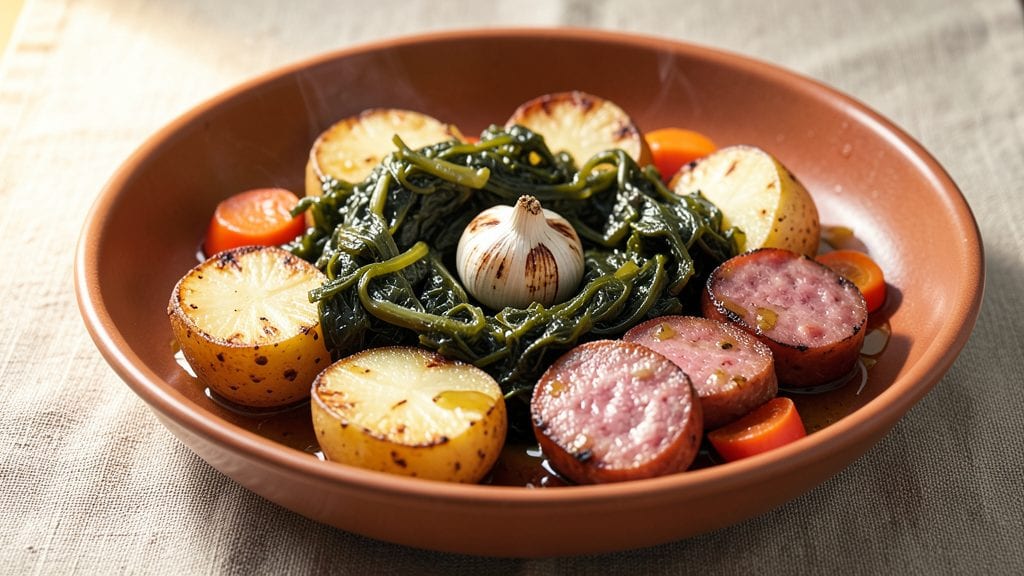
This sauerkraut potatoes sausage recipe transforms a simple one-pan meal into a hearty German feast with tangy, crisp edges that stick to every bite. Growing up in my Nonna’s kitchen, I learned how the right combination of fermented flavors and crispy textures could turn humble ingredients into something extraordinary.
The secret lies in balancing the sharpness of sauerkraut with the richness of sausage and the satisfying bite of roasted potatoes.
What makes this dish special is its simplicity—just one pan, minimal prep, and a 30-minute hands-off cooking time. The potatoes develop crispy edges while staying tender inside, the sausage renders its fat to create a flavorful base, and the sauerkraut adds that signature tang that cuts through the richness.
It’s the kind of meal that feels like a hug on a plate, perfect for weeknight dinners or gatherings with friends.
By the time you’re done, you’ll have a dish that’s restaurant-quality without the fuss: golden potatoes with crispy edges, sausage that’s perfectly browned, and sauerkraut that’s softened just enough to soak up all the flavors.
The aroma alone will have everyone at the table asking for seconds. Serve it with crusty bread or a dollop of mustard for the full experience.
This recipe works equally well in a traditional oven or a slow cooker, making it versatile for any kitchen. Whether you’re cooking for a family dinner or a casual get-together, it’s a dish that delivers comfort and flavor without the complexity. Let’s get to work—your taste buds will thank you.
Ingredients for sauerkraut potatoes sausage
These humble ingredients create a German-inspired feast with crispy edges and tangy depth.
| Ingredient | Amount | Notes |
|---|---|---|
| Baby Potatoes 🥔 | 1 ½ lb | Yukon gold preferred, halved |
| Kielbasa Sausage 🌭 | 1 lb | Sliced into half-moons |
| Sauerkraut 🥬 | 1 ½ cups | Drained and rinsed |
| Olive Oil 🫒 | 2 tbsp | Extra-virgin for richness |
| Garlic Cloves 🧄 | 4 cloves | Minced for depth |
| Carrots 🥕 | 2 medium | Peeled and sliced into rounds |
| Onion 🧅 | 1 medium | Thinly sliced for sweetness |
| Dried Thyme 🌿 | 1 tsp | Or fresh thyme leaves |
| Salt 🧂 | 1 tsp | Kosher or sea salt |
| Black Pepper 🌶️ | ½ tsp | Freshly ground for heat |
| Mustard 🍯 | 1 tbsp | Dijon preferred for tang |
| Bay Leaves 🌿 | 2 whole | Removed before serving |
The potatoes are the star here. Yukon golds hold their shape while getting crispy—red potatoes work too, but they might fall apart. Grab the small baby potatoes from the grocery store produce section (they're pre-washed and ready to go). Kielbasa is non-negotiable for that smoky flavor, but bratwurst or smoked sausage will work in a pinch. The sauerkraut should be bright and crunchy—drain it well and give it a quick rinse to cut the saltiness. For extra flavor, look for organic sauerkraut at Whole Foods or your local German market.
No kielbasa? Smoked turkey sausage is a great swap—just increase the amount by half to compensate for less fat. Fresh thyme is ideal, but dried works at half the amount. The carrots and onion can be swapped for celery or bell peppers if you're feeling adventurous. Mustard lovers can double the amount—it adds a nice tang that cuts through the richness. For a deeper flavor, toast your garlic cloves in olive oil for 30 seconds before adding them to the pan. The bay leaves? Don't skip them—they add an earthy depth that ties everything together.
This dish reheats beautifully—just add a splash of water and cover. Keeps for 4-5 days in the fridge, freezes for 3 months. I always make a double batch and portion it into containers for easy lunches. The flavors get even better the next day as everything melds together. For serving, grab some crusty rye bread or pretzel buns—they soak up all the delicious juices.
Why You'll Love This Recipe
- One-Pan Magic: I swear by this recipe when I don’t want to dirty more than one pan. Baby potatoes, sliced kielbasa, and sauerkraut all roast together—no chopping, no fuss—just 20 minutes of hands-off time while the oven does the work.
- Tangy-Creamy Crunch: That first bite? The crispy potatoes meet the juicy sausage, then the sauerkraut’s sharp tang cuts through it all—like a hug in your mouth. Honestly, the garlic and olive oil tie it together so well, it’s the kind of dish that makes you go back for seconds without thinking.
- Game for Any Night: Between us, this is my go-to when I need something hearty but not heavy. It’s great for weeknights (because it’s fast), potlucks (because it’s crowd-pleasing), or even a lazy Sunday (because why not?). The leftovers? Still delicious the next day, reheated in a skillet.
- Budget-Friendly Feast: Kielbasa stretches far, potatoes are cheap, and sauerkraut lasts forever in the fridge. I’ll be real: this recipe feeds four for under $12, and it’s the kind of meal that makes you feel like you’re eating fancy—without breaking the bank. Plus, it’s one of those dishes that tastes better the second time around.
Step-by-step instructions for sauerkraut potatoes sausage recipe
This one-pan wonder delivers crispy edges, tender potatoes, and perfectly seasoned sausage in just one dish.
Prep and Parboil the Baby Potatoes
Start by halving the 1.5 lb baby potatoes lengthwise. I like to work with Yukon golds—they hold their shape beautifully and develop a wonderful crispy exterior. Place them in a large pot and cover with cold water by about 1 inch. Add the 2 whole bay leaves, 1 tsp salt, and 0.5 tsp black pepper to the water.
Bring to a boil over high heat, then immediately reduce to a gentle simmer. Cook the potatoes for exactly 8 minutes—they shouldn't be fully tender yet, just slightly softened. You want them to finish cooking in the oven while developing that perfect crispy edge. Drain thoroughly in a colander and set aside for now. Don't skip this step—parboiling ensures even cooking and prevents uneven doneness in the oven.
Sear the Kielbasa and Build the Flavor Base
While the potatoes are parboiling, heat a large oven-safe skillet over medium-high heat. Add the 2 tbsp olive oil and let it get hot but not smoking. Add the 1 lb kielbasa sausage, sliced into half-moons as directed, and cook for 4-5 minutes until browned on both sides. Transfer the sausage to a plate and set aside.
In the same skillet, add the 1 medium onion and 2 medium carrots, sliced into rounds. Cook for 5-6 minutes until the onions are translucent and the carrots begin to soften. Add the 4 minced garlic cloves and cook for just 30 seconds—don't let them burn, or they'll turn bitter. Sprinkle in the 1 tsp dried thyme and stir to combine. This aromatic base will infuse all the flavors throughout the dish.
Assemble and Roast the One-Pan Feast
Return the kielbasa to the skillet and arrange the parboiled potatoes cut-side down in a single layer. Pour the 1.5 cups drained sauerkraut over everything, making sure it nestles between the potatoes and around the sausage. Drizzle the 1 tbsp mustard evenly over the top—this adds a tangy depth that balances the richness.
Transfer the skillet to a preheated 400°F oven and roast for 25-30 minutes. You'll know it's done when the potatoes are golden brown and crispy on the edges, the sausage is heated through, and the sauerkraut has softened slightly. The mustard will caramelize slightly, adding another layer of flavor. I like to check at the 20-minute mark—every oven runs slightly differently, so watch for those crispy edges.
Rest and Serve with Confidence
Remove the skillet from the oven and let the entire pan rest for 5 minutes. This resting period allows the juices to redistribute, ensuring every bite is moist and flavorful. During this time, I like to give everything a gentle stir—this helps the sauerkraut release its tangy juices and coats all the components evenly.
Serve family-style straight from the skillet, removing the 2 bay leaves before serving. The crispy potato edges contrast beautifully with the tender sausage and tangy sauerkraut. Each bite delivers a perfect balance of textures and flavors—sweet carrots, caramelized onions, herby sausage, and that signature sauerkraut tang. This dish tastes even better the next day, so make extra if you can!
Pro Tips For Making Sauerkraut Potatoes Sausage
- HALVE THE POTATOES: Baby potatoes are stubborn little things—cut them in half before boiling, not after. I used to boil whole ones, then slice them post-cook, and they’d either turn mushy or stay rock-hard. A quick knife cut ensures even cooking and that perfect tender-crisp texture you want in this dish.
- SALT THE SAUKRAUT: Drain the sauerkraut, then give it a quick rinse under cold water—but don’t skip the salt. Toss it with a pinch of kosher salt (about ½ teaspoon) to balance the acidity. I learned this after my first batch tasted like vinegar had a party without inviting the flavors.
- CRANK THE HEAT: Sear the kielbasa slices in a dry pan over medium-high heat until they’re golden brown and crispy—don’t let them steam. That crust is what makes the dish sing. I used to cook them on low, and they’d just get greasy and sad.
- GARLIC FIRST, SAUKRAUT LAST: Sauté the minced garlic in olive oil until it’s just starting to turn golden—then add the sauerkraut. If you toss the sauerkraut in first, it’ll steam the garlic and kill its flavor. Trust me, that’s a mistake I’ve made more times than I’ll admit.
Common mistakes when making your sauerkraut potatoes sausage
Overcooking Potatoes
Here’s where I’ve seen beginners go wrong: letting those baby potatoes turn to mush. The key is that 8-minute parboil—any longer, and they’ll collapse when roasted.
I’ve watched people skip this step entirely, thinking they’ll get away with it, but you’ll end up with sad, mealy potatoes instead of those glorious crispy edges. If you’re worried about doneness, cut into one after parboiling—it should still have a firm center. 🥔
Skipping the Parboil
Some recipes call for roasting potatoes straight from cold, but that’s a gamble with this dish. Without parboiling, the outer layers will burn while the insides stay raw. I’ve tried it both ways, and the difference is night-and-day.
The parboil jumpstarts the cooking process, ensuring even doneness while creating that perfect crispy crust. Trust me—your taste buds will thank you.
Underseasoned Sauerkraut
Fresh sauerkraut is tangy enough on its own, but sometimes it needs a boost. I’ve seen people use it straight from the jar without adjusting the saltiness or adding any extra flavor.
If your sauerkraut tastes too sharp, rinse it well and add a pinch of sugar (about ½ tsp) to balance the acidity. For extra depth, stir in a splash of apple cider vinegar or a dash of smoked paprika while roasting.
Uneven Heat Distribution
This one’s a game-changer: not all oven racks are created equal. If your skillet sits too high, the potatoes will burn before the sausage heats through. I always place mine on the middle rack for even heat.
Pro tip: If your oven runs hot, reduce the temperature to 375°F and add 5 extra minutes to the roasting time. And for the love of crispy edges, never overcrowd the pan—give those potatoes space to breathe. 🔥
Ignoring the Resting Time
I’ve seen people pull this dish straight from the oven and dive in, only to find everything dry and flavorless. That 5-minute rest is non-negotiable—it lets the juices redistribute, so every bite is moist and packed with flavor.
During this time, give everything a gentle stir to help the sauerkraut release its tangy goodness. Skipping it means missing out on the best part of the dish!
Wrong Sausage Choice
Not all sausages are created equal, and using the wrong kind can ruin the dish. Lean sausages like chicken or turkey won’t render enough fat to create that flavorful base. I’ve tried it, and it’s a crime.
Stick with kielbasa or bratwurst—they’re fatty enough to crisp up and infuse the potatoes with smoky goodness. If you’re using a leaner sausage, add 1 tbsp butter or olive oil to the pan to compensate. 🌭
Nutrition facts
Frequently asked questions
Can I make this recipe without an oven?
This dish works perfectly in a slow cooker for hands-off cooking. Brown the sausage and veggies in a skillet first, then transfer everything to the slow cooker with the potatoes and sauerkraut. Cook on low for 4-5 hours or high for 2-3 hours, stirring occasionally. The flavors will meld beautifully, though you'll lose the crispy potato edges. For extra crispiness, broil for 5 minutes at the end.
What's the best way to store leftovers?
Store in an airtight container in the fridge for up to 5 days. The flavors actually improve overnight as everything absorbs the juices! For freezing, portion into meal-sized containers and freeze for up to 3 months. Reheat gently in the microwave with a splash of water or in a skillet over medium heat to revive the crispy edges.
Can I substitute sauerkraut for another fermented vegetable?
While nothing beats sauerkraut's signature tang, you could use pickled green tomatoes or kimchi for a different flavor profile. For kimchi, reduce the mustard to ½ tbsp since it's already spicy. The acidity is key—without it, the dish loses its bright contrast to the rich sausage and potatoes. For a milder option, try pickled beets chopped into small pieces.
Why does my sauerkraut taste too salty?
Commercial sauerkraut can be very salty, especially if not drained well. Always rinse and drain thoroughly before using. For extra flavor without salt, add 1 tsp apple cider vinegar or ½ tsp sugar to the pan while roasting. If using homemade sauerkraut, it's usually less salty but still needs draining to prevent a briny flavor. Taste as you go!
What are the best sides to serve with this?
This hearty dish pairs perfectly with crusty rye bread or pretzel buns for soaking up the juices. For a complete meal, add a simple green salad with a light vinaigrette to balance the richness. A German-style mustard sauce or sour cream on the side lets everyone customize their plate. For a beer lover's touch, serve with a cold pilsner or wheat beer.