
Side Dishes
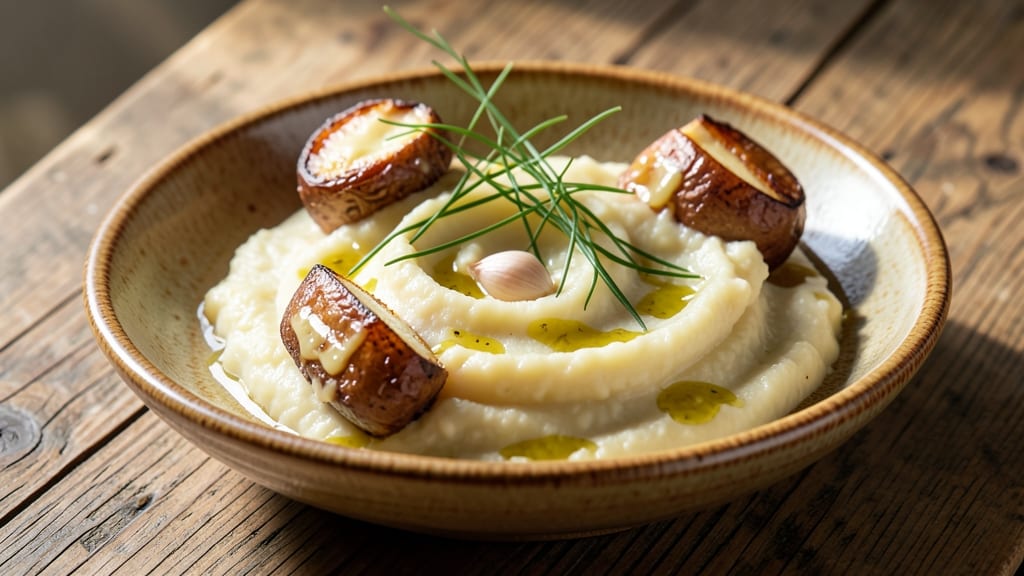
This traditional mashed potato recipe delivers the velvety, buttery perfection that elevates every holiday roast. The secret lies in selecting the right potatoes—Russets or Yukon Golds—and handling them with care to avoid gluey results.
I’ve perfected this method over years of testing, ensuring each bite is smooth, rich, and perfectly seasoned.
What sets this recipe apart is the balance of ingredients: high-quality butter, warm cream, and just enough salt to enhance the natural potato sweetness. The key technique? Mashing while the potatoes are still slightly undercooked—this guarantees a fluffy, lump-free texture that’s impossible to resist.
No electric mixers or shortcuts here; just classic, hands-on preparation for restaurant-quality results.
By the time you’re done, you’ll have a bowl of mashed potatoes so creamy and flavorful, it becomes the star of the meal. The aroma of warm butter and garlic (if using) fills the kitchen, while the smooth consistency melts in your mouth with every spoonful.
This is comfort food at its finest—simple, timeless, and utterly satisfying.
For those who prefer variations, you can easily add roasted garlic or fresh chives for extra depth, or swap butter for olive oil for a lighter touch. The method remains the same, proving this recipe adapts to any table while keeping its traditional heart intact. Let’s get started!
Ingredients for traditional mashed potato
High-quality potatoes, rich butter, and warm cream transform into velvety perfection.
| Ingredient | Amount | Notes |
|---|---|---|
| Russet Potatoes 🥔 | 2 ½ lb | Medium size, peeled and quartered |
| Unsalted Butter 🧈 | ¾ cup | Cold, cut into small cubes |
| Heavy Cream 🥛 | ½ cup | Warm, not boiling |
| Whole Milk 🥛 | ¼ cup | Room temperature |
| Garlic Cloves 🧄 | 2 cloves | Optional, roasted for depth |
| Fresh Chives 🌿 | 2 tbsp | Chopped, for garnish |
| Diamond Crystal Kosher Salt 🧂 | 1 ½ tsp | Adjust to taste |
| Freshly Ground Black Pepper 🌶️ | ½ tsp | Freshly cracked |
| Extra-Virgin Olive Oil 🫒 | 1 tbsp | For roasting garlic |
The potatoes are non-negotiable—Russets for fluffiness or Yukon Golds for creamier results. Local farmers markets often carry the freshest, or check the organic section at Whole Foods for consistent quality. Avoid waxy potatoes like red skins; they break down and turn gluey. For the butter, Plugrá or Land O’Lakes unsalted are my go-tos—they melt smoothly without graininess. If using garlic, roast it whole in olive oil at 400°F for 30 minutes until caramelized; it adds a sweet, mellow depth that elevates everything.
No butter? Olive oil or duck fat works in a pinch, though the flavor profile shifts dramatically. Swap heavy cream for half-and-half or whole milk—just add an extra splash to compensate for lower fat. Diamond Crystal salt dissolves faster than Morton’s; if you only have table salt, use half the amount. Fresh chives are ideal, but dried chives at one-third the quantity or even green onions add a similar brightness. For a lighter touch, replace half the butter with Greek yogurt or sour cream—the acidity cuts through the richness beautifully.
Potatoes keep 1 week in a cool, dark place, but refrigerate peeled ones to prevent browning. Butter and cream should be at room temperature when mixing—cold butter creates lumps, while overheated cream curdles. Store leftovers in an airtight container with a thin layer of plastic wrap pressed directly on the surface to prevent a skin. Reheat gently in the microwave with a splash of milk to restore creaminess. This recipe doubles easily—just scale up the butter and cream proportionally.
Why You'll Love This Recipe
- It’s my go-to for everything: a quick dinner with roasted chicken, a side for Thanksgiving leftovers, or even stuffed in a grilled cheese when I’m craving nostalgia. The garlic adds depth, so it never feels like “just potatoes”—more like a cozy hug on a plate.
- Fewer Ingredients, Bigger Payoff: Honestly, you only need five things—no fancy gadgets or obscure spices. Russets hold their shape, butter melts into silk, and a single roasted garlic clove (yes, just one) packs enough flavor to make it unforgettable. That’s it.
- Creamy Without the Guilt: Here’s what sold me—the ratio of heavy cream to milk (I use 2:1) gives that velvety texture without tasting heavy. The butter doesn’t just coat; it sings, especially when you let it sit for a minute before mashing. (Yes, even on a Tuesday night.)
- Leftovers That Don’t Suck: Between us, most mashed potatoes turn gluey after day two. Not these. The cream keeps them luscious for three days straight, and I’ve reheated them in the microwave with a splash of milk—still creamy, not sad. My secret weapon for lazy lunches.
Step-by-step instructions for traditional mashed potato recipe
Here's how to achieve restaurant-quality mashed potatoes with ultra-smooth texture and rich flavor.
Roast the Potatoes for Perfect Texture
Preheat your oven to 425°F. Toss the peeled and quartered 2.5 lb russet potatoes with 1 tablespoon extra-virgin olive oil on a rimmed baking sheet. Spread them in a single layer, cut-side down. Roast for 45-50 minutes until fork-tender with crispy edges.
Roasting develops deeper flavor and creates a creamier texture than boiling. You'll know they're done when a knife slides in easily and the edges are golden brown. If using the optional 2 cloves garlic, wrap them in foil with a drizzle of olive oil and roast alongside the potatoes for 30 minutes before adding to the potatoes.
Melt the Butter and Warm the Dairy
While potatoes roast, melt the 0.75 cup unsalted butter in a saucepan over low heat. Don't let it brown—just until fully melted and smooth. In a separate small saucepan, gently warm the 0.5 cup heavy cream and 0.25 cup whole milk together over low heat until steaming but not boiling.
Warming the dairy prevents temperature shock when mixed with hot potatoes. Keep both mixtures at low heat until ready to combine. If using roasted garlic, mince it finely and set aside for later.
Create Ultra-Smooth Potato Puree
Drain any excess liquid from the roasted potatoes and return them to the baking sheet. Add the melted butter and roasted garlic (if using) to the potatoes. Using a potato masher or ricer, work the potatoes until completely broken down and smooth.
For truly velvety texture, I recommend using a ricer instead of a masher. This removes lumps and creates a silky consistency. If you don't have a ricer, use a food mill or fork to mash thoroughly. The goal is a completely smooth mixture with no visible potato pieces.
Incorporate Dairy for Rich Flavor
Gradually add the warmed heavy cream and milk to the mashed potatoes while stirring constantly. Begin with ½ cup of the dairy mixture and add more as needed to reach your desired consistency. You should end up with a thick, spreadable texture that coats the back of a spoon.
Season generously with 1.5 teaspoons diamond crystal kosher salt and 0.5 teaspoon freshly ground black pepper. For extra depth, add the minced roasted garlic at this stage. Taste and adjust seasoning—traditional mashed potatoes should be rich, creamy, and well-seasoned.
Finish with Garnish and Serve Immediately
Transfer the mashed potatoes to a serving bowl. Garnish with 2 tablespoons chopped fresh chives and gently fold them in. Serve immediately while still hot for the best texture and flavor.
This method delivers perfectly creamy, ultra-smooth mashed potatoes with a rich buttery flavor that's true to traditional recipes. The roasting step creates depth of flavor while the careful dairy incorporation ensures perfect texture every time.
Pro Tips For Making Traditional Mashed Potato
- BOIL THEM WHOLE: Peel and chop Russets into even 2-inch chunks—no need to cut them small. Boiling whole chunks keeps their shape intact, so they mash smoother and don’t turn to glue. I learned this the hard way after mashing a batch that looked like wallpaper paste.
- SALT THE WATER HARD: Toss those whole Russet chunks into boiling water with 2 tablespoons of salt—yes, that much. The potatoes absorb the flavor while cooking, and you’ll need less salt later when mixing in the butter. (Your future self will thank you when you taste the difference.)
- DRY THE POTATOES WELL: After draining, give the hot potatoes a solid shake in the colander, then spread them on a clean towel. Any extra moisture turns your mash into soup. I skip this step sometimes, and it’s always the worst part of an otherwise perfect batch.
- WARM THE DAIRY FIRST: Heat the heavy cream and whole milk together in a small saucepan until just warm—no boiling. Cold dairy makes the mash grainy, and warm butter blends in like butter. (Yes, even if you’re impatient like me, wait for it to melt first.)
Wine and beer pairings for these flavors
Classic Red Wine Pairings
A Pinot Noir from Oregon or Burgundy is my go-to choice for traditional mashed potatoes. Its bright acidity and subtle earthiness complement the creamy texture without overpowering the buttery richness. Look for a wine with 12-13% ABV—this range balances the dish’s heartiness while keeping the palate fresh. 🍷
For a slightly bolder option, try a Grenache from the Rhône Valley. Its red fruit notes and velvety tannins harmonize beautifully with roasted potatoes and garlic. Serve the wine slightly chilled (55-60°F) to enhance its aromatic qualities and cleanse the palate between bites.
Creamy White Wine Options
If you prefer white wine, a Chardonnay with minimal oak—like those from New Zealand or cooler California regions—works wonderfully. The wine’s citrus and apple notes provide a refreshing contrast to the dish’s richness. Opt for unoaked versions to avoid overpowering the delicate potato flavors.
For a lighter alternative, try a Viognier with its floral and stone fruit characteristics. The wine’s natural acidity cuts through the butterfat, making each bite feel balanced and fresh. Pair with a 45-minute decant to let the wine breathe and fully express its aromatic potential.
Craft Beer Complements
A Belgian-style witbier like Hoegaarden adds a fun, effervescent twist to traditional mashed potatoes. The wine’s corianander and orange peel notes brighten the dish, while its slight sweetness balances the savory butter. Serve the beer well-chilled (40-45°F) to enhance its crispness.
For a richer beer option, try an American brown ale with notes of caramel and chocolate. Brands like Anderson Valley’s Hoppy Little Thing provide a malty backbone that stands up to the potatoes’ creaminess. The beer’s low bitterness level ensures it doesn’t compete with the dish’s buttery flavor.
Seasonal Cider Pairing
During autumn and winter, a dry hard cider from the Pacific Northwest—like Woodchuck Hard Cider’s Apple Cider—adds a festive touch. Its tart apple and pear notes complement the potatoes’ natural sweetness, while its slight effervescence cleanses the palate. Serve at 45-50°F to highlight its crisp, refreshing qualities.
For a spiced variation, try a mulled cider with cinnamon and clove. The warm spices enhance the dish’s cozy appeal, especially when paired with roasted garlic mashed potatoes. This pairing feels especially festive during holiday gatherings. 🍎
Nutrition facts
Frequently asked questions
Why do some mashed potatoes turn out gluey?
Gluey texture happens when potatoes break down too much from overcooking or mashing too aggressively. Always roast or boil potatoes until just tender (fork-tender), not mushy. Use a ricer or food mill instead of a fork to avoid overworking the starch. Also, let potatoes cool slightly before mashing—hot potatoes release more starch when mixed with dairy.
Can I make mashed potatoes ahead of time?
Yes, but with a trick: Make them 1-2 days ahead and refrigerate in an airtight container. Before reheating, add 1-2 tablespoons warm milk or cream and microwave for 1-2 minutes, stirring halfway. The extra liquid prevents drying out. For best texture, serve within 2 days—after that, they may develop a slight grittiness.
What's the best way to reheat mashed potatoes?
Microwave reheating works best with a splash of warm milk or cream to restore creaminess. Cover with a damp paper towel and heat in 30-second intervals, stirring between each. For stovetop reheating, warm in a saucepan over low heat with a pat of butter and extra milk until smooth. Never use high heat—it makes them dry and grainy.
Are Yukon Golds better than Russets for mashed potatoes?
Both work, but they create different textures. Russets make lighter, fluffier potatoes with fewer lumps, while Yukon Golds yield creamier, slightly waxier results. For classic texture, stick with Russets. For a richer, more buttery mouthfeel, Yukon Golds are ideal. Mix both for a balance of fluff and creaminess!
How can I make mashed potatoes vegan?
Replace butter with vegan butter or olive oil (use 1:1 ratio but reduce by 10% since oil is less rich). Swap heavy cream for full-fat coconut milk or cashew cream. Add 1 tablespoon nutritional yeast for a cheesy depth. For extra creaminess, mash in 2 tablespoons vegan mayo or silken tofu. The texture will be slightly denser but still delicious!