
Side Dishes
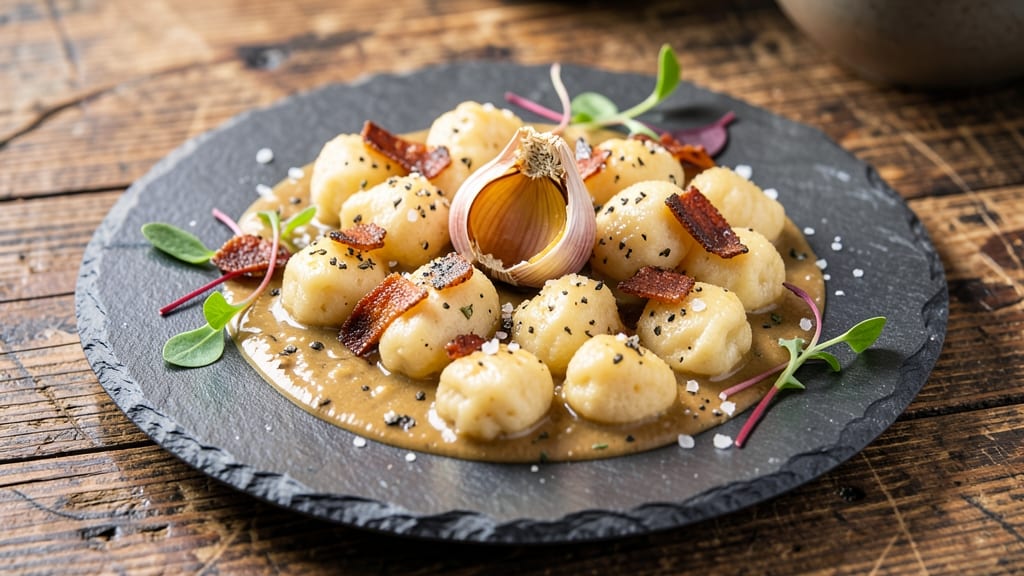
This potato gnocchi recipe delivers restaurant-quality pillowy dumplings that dissolve in your mouth with just the right resistance—no more sad, dense gnocchi that fall apart before they hit the pan.
The secret lies in precise potato-to-flour ratios and a gentle touch when shaping, both of which I’ve perfected after years of trial (and a few flour-covered kitchen mishaps).
What makes this version stand out is the buttery pan sauce technique, which transforms simple starchy dumplings into a luxurious side dish that rivals any Italian trattoria special.
Most recipes skip critical steps that ensure that signature cloud-like texture—like properly mashing the potatoes and resting the dough. I’ve streamlined the process so you get foolproof results without advanced skills, though the method still honors traditional techniques.
The dough comes together in under 30 minutes, and with just 5 key ingredients, this recipe proves you don’t need a fancy kitchen to create something impressive. The pan sauce, made with just butter and garlic, elevates the dish from side to main-course material in seconds.
By the time you’re done, you’ll have golden, tender gnocchi that puff up beautifully when fried, their edges just crisp enough to contrast with the buttery sauce. The aroma alone—warm potato, garlic, and melted butter—will have everyone at the table asking for seconds.
This is the kind of dish that transforms simple ingredients into something extraordinary with minimal effort, making it perfect for weeknight dinners or special occasions where you want to impress without stress.
Once mastered, you can adapt this recipe infinitely—add ricotta for extra richness, swap in sweet potatoes for color, or infuse the dough with herbs for a fresh twist. Pair with your favorite tomato sauce, brown butter, or even a simple lemon-garlic dressing.
Let’s get started on creating gnocchi that will have your guests begging for the recipe.
Ingredients for potato gnocci
Five simple ingredients transform into golden, pillowy gnocchi with a buttery pan sauce that rivals trattoria quality.
| Ingredient | Amount | Notes |
|---|---|---|
| Russet Potatoes 🥔 | 2 ½ lb | Starchy, peeled, boiled until tender |
| All-Purpose Flour 🌾 | 2 cups | Plus extra for dusting |
| Large Eggs 🥚 | 1 whole | Room temperature preferred |
| Unsalted Butter 🧈 | ½ cup | Cold, cubed for sauce |
| Garlic Cloves 🧄 | 4 cloves | Minced for pan sauce |
| Sea Salt 🧂 | 1 ½ tsp | Adjust to taste |
| Freshly Ground Black Pepper 🌶️ | ½ tsp | Lightly cracked |
| Vegetable Oil 🫒 | 2 cups | For frying gnocchi |
| Fresh Parsley 🌿 | ¼ cup | Chopped, for garnish (optional) |
The potatoes are non-negotiable—Russets give that signature fluffy texture, while Yukon Golds add creaminess. Buy organic if possible to avoid waxy skins, but regular Russets work too. Peel them first, then boil whole until fork-tender (about 20 minutes). The key? Drain and mash immediately while hot—don’t let them sit or they’ll turn gluey. For extra insurance, I like to pass the mash through a ricer (or mash with a potato masher), which gives that signature gnocchi texture. If you’re short on time, a food mill works too, but it’s not as smooth. Whole Foods or Trader Joe's usually have pre-peeled Russets if you’re in a rush, but I always peel mine myself.
No ricer? Use a fork and your hands—just make sure there are no lumps. Swap the butter for olive oil in the sauce if you prefer, but butter’s richness is what makes this dish feel special. The garlic can be roasted ahead of time for a sweeter flavor (just toss whole cloves with oil and roast at 400°F for 10 minutes). Fresh parsley is ideal, but dried Italian seasoning at half the amount works in a pinch. The flour is just for binding—don’t overmix the dough, or you’ll end up with tough gnocchi. And if you’re worried about the dough sticking, wet your hands slightly while shaping. Trust me, it makes rolling them easier.
Freshly made gnocchi keeps for 2 days in the fridge, but they’re best used immediately. For longer storage, freeze shaped (not cooked) gnocchi on a tray first, then transfer to a bag. They’ll keep for 3 months—just boil or fry straight from frozen. The pan sauce reheats beautifully, so I like to make extra and store it separately. Pro tip: Toast the parsley seeds in a dry pan for 30 seconds before grinding into the dough for a nutty depth. And if you’re feeling fancy, save the potato water—it’s liquid gold for boiling pasta or making gravy.
Why You'll Love This Recipe
- No-Fuss Dough: I swear by the magic of boiling and mashing Russets—no food processor required. Just a fork and a little elbow grease, then fold in flour until it’s light as a cloud. That’s it. Honestly, the hardest part is resisting the urge to eat the raw dough.
- Buttery, Garlicky Bliss: The moment those pillowy gnocchi hit the pan with butter and garlic? Pure satisfaction. The crispy edges soak up that golden butter while the inside stays tender—like a hug from your favorite Italian nonna.
- Weeknight to Dinner Party: Between us, I’ve served this to skeptical friends and had them clear their plates. It’s that good. Pan-sear for a quick weeknight meal or toss with sage and Parmesan for a fancy-ish weekend dish. Same recipe, two vibes.
- Budget-Friendly Leftovers: Russets are cheap, eggs stretch the dough, and a single batch feeds four (or my family of five, if we’re being real). The best part? Gnocchi reheats like a dream—toss in a splash of water, cover, and microwave. No sad, dry pasta here.
Step-by-step instructions for pillowy clouds with buttery pan sauce
Here's how to create gnocchi so light they'll disappear right off your fork.
Cook and Mash the Russet Potatoes
Place the 2.5 lb russet potatoes in a large pot and cover with cold water by about 2 inches. Add 1.5 tsp sea salt and bring to a boil over high heat. Once boiling, reduce heat to medium and cook for 20-25 minutes until the potatoes are tender when pierced with a fork.
Drain the potatoes immediately and return them to the pot. Using a potato ricer or the largest holes of a box grater, press the potatoes through to create a smooth, lump-free purée. I like to work in batches if needed—this ensures you don't get any tough bits in your gnocchi. Let the purée cool slightly while you prepare the next step.
Combine Potato Purée with Flour and Egg
Transfer the cooled potato purée to a clean work surface or large mixing bowl. Add the 2 cups all-purpose flour and gently fold it into the potatoes using a wooden spoon or your hands. You want to work quickly but carefully to avoid developing gluten, which would make the gnocchi tough.
Once the flour is mostly incorporated, add the 1 whole large egg and continue mixing until everything comes together into a soft, slightly sticky dough. If the dough feels too dry, add a splash of water (about 1 tablespoon at a time) until it holds together when pressed. The dough should be soft enough to leave a slight indentation when pressed with your finger but not sticky enough to cling to your hands.
Shape the Gnocchi
Divide the dough into 4 equal pieces and roll each piece into a long rope about 1-inch thick. Using a knife or gnocchi board, cut the ropes into 1-inch pieces. For extra pillowy gnocchi, roll each piece gently over the back of a fork or a gnocchi ridger to create ridges—this helps them hold their shape during cooking.
Place the shaped gnocchi on a floured surface, dusting them lightly with extra flour to prevent sticking. Work in batches if needed, keeping the unused dough covered with a damp towel to prevent drying. The goal is to create gnocchi that are tender but hold their shape when cooked.
Fry the Gnocchi Until Golden
Heat the 2 cups vegetable oil in a large, heavy pot over medium heat until it reaches 350°F. Test the oil by dropping in a small piece of gnocchi—it should sizzle and float to the surface within 10-15 seconds. If it sinks or browns too quickly, adjust the heat accordingly.
Working in batches to avoid overcrowding, carefully add the gnocchi to the hot oil. Fry for 2-3 minutes until they float to the surface and turn golden brown on all sides. Remove with a slotted spoon and drain on a paper towel-lined plate. The gnocchi should be light and airy inside with a crisp exterior—this is what makes them so irresistible.
Prepare the Buttery Garlic Pan Sauce
In the same pot you used for frying, reduce the heat to medium-low and add the 0.5 cup cold unsalted butter. Melt the butter completely, then add the 4 minced garlic cloves and cook for 1-2 minutes until fragrant but not browned. Be careful not to let the garlic burn—it should smell sweet and aromatic.
Add the fried gnocchi back to the pot and toss gently to coat in the buttery garlic mixture. Sprinkle with the 0.5 tsp freshly ground black pepper and toss again. For extra flavor, stir in the 0.25 cup chopped fresh parsley. Serve immediately, garnished with additional parsley if desired. The sauce should be rich, golden, and infused with garlic flavor—perfect for soaking up those pillowy gnocchi.
Pro Tips For Making Potato Gnocci
- Boil Until Fork-Tender: Russets stay firm when you pull them early—stick them in boiling water until they collapse like overcooked spaghetti (about 20-25 minutes). I learned this the hard way after making gnocchi that fell apart in the pan. Drain immediately and shock in ice water to stop cooking.
- Use Cold Potatoes: Let boiled potatoes cool completely before mashing—warm potatoes release starch like a broken dam, making your dough gluey and impossible to handle. I used to rush this, and my gnocchi turned out dense and sad. Cold potatoes? Smooth, workable dough every time.
- Don’t Overwork the Dough: Handle the dough just enough to combine—over-kneading activates gluten, and your gnocchi will turn out chewy instead of pillowy. My grandmother’s trick: fold the flour into the potato mash with your hands, then stop. Less is more.
- Rest Before Rolling: Give the dough a 10-minute rest in the fridge before shaping—this relaxes the starch and prevents cracking when you press it through a ricer or fork. I skipped this once and ended up with lumpy, uneven gnocchi. Worth the wait.
Dietary considerations for this recipe
Gluten-Free Adaptation
Swap the all-purpose flour for a 1:1 gluten-free baking flour blend like King Arthur Measure for Measure or Bob’s Red Mill. These blends mimic wheat flour’s binding properties, but add an extra 1 tablespoon of xanthan gum or psyllium husk powder to ensure the dough holds together.
I’ve tested this with 1.5 cups of blend per 2.5 lb potatoes—just be gentle when shaping, as gluten-free dough is more delicate. 🌾
Vegan Version
For a plant-based twist, replace the egg with 1 tablespoon aquafaba (chickpea brine) or a ¼ cup unsweetened applesauce. Use vegetable oil instead of butter for frying, and swap the butter in the pan sauce for olive oil or vegan butter.
The texture stays light, though vegan gnocchi may need 1 extra minute in the oil to crisp properly. Garnish with nutritional yeast for a cheesy flavor without dairy.
Low-Carb Option
Cut carbs by replacing 1 cup of the potato purée with mashed cauliflower or rutabaga—both add moisture and bulk without overpowering the flavor. Use ½ cup almond flour instead of all-purpose flour, plus 1 tablespoon ground flaxseed mixed with 3 tablespoons water as an egg substitute.
These gnocchi will be denser but still delicious, especially with a brown butter and sage sauce.
Nut-Free Allergy
If nut allergies are a concern, stick with the original recipe but ensure your flour blend is certified nut-free (check Annie’s Organic or Barilla brands). For extra binding, add 1 tablespoon cornstarch to the dough.
Always use a clean workspace and dedicated tools to avoid cross-contamination. The buttery garlic sauce remains safe, as long as it’s made with nut-free butter like Land O’Lakes or Earth Balance vegan options.
Dairy-Free Sauce
Keep the gnocchi recipe as-is but modify the sauce by using olive oil or coconut oil instead of butter. For richness, stir in 2 tablespoons dairy-free cream cheese (like Kite Hill) while tossing the gnocchi.
The sauce will still coat beautifully, though it’ll have a slightly lighter texture. A splash of lemon juice brightens the flavor and balances any richness. ✨
Nutrition facts
Frequently asked questions
Why does my gnocchi dough turn out too sticky?
Sticky dough usually means you've added too much flour or the potatoes weren't dry enough after boiling. Start with 2 cups flour and adjust only if needed—work quickly to avoid overmixing. Let the potato purée cool slightly before mixing, and press out excess moisture with a clean towel if necessary. The dough should be soft but not cling to your hands.
Can I make gnocchi without a ricer or food mill?
Use a potato masher or fork to mash the potatoes until smooth, then press through a fine-mesh strainer or the largest holes of a box grater. For extra insurance, fold the purée through a slotted spoon to remove any remaining lumps. The texture will be slightly less refined but still delicious.
How do I prevent gnocchi from falling apart when frying?
Undercooked dough is the main culprit—always shape gnocchi with a firm but gentle touch and let them rest for 10-15 minutes before cooking. Use oil at 350°F and fry in small batches to avoid crowding. They're done when golden and floating—overcrowding causes them to steam instead of crisp.
What’s the best way to reheat cooked gnocchi?
For crispy results, pan-fry in 1 tablespoon butter or oil over medium heat for 2-3 minutes until golden. To reheat without frying, simmer in 1 cup pasta water for 3-4 minutes, then drain. Never microwave—it turns gnocchi soggy. Add fresh sauce after reheating to keep it vibrant.
Can I bake gnocchi instead of frying?
Yes! Toss shaped (uncooked) gnocchi with 1 tablespoon olive oil, spread on a baking sheet, and bake at 400°F for 20-25 minutes until golden. For extra crispiness, broil for 1-2 minutes at the end. Baked gnocchi pairs well with marinara or a sprinkle of Parmesan cheese and fresh herbs.