
Side Dishes
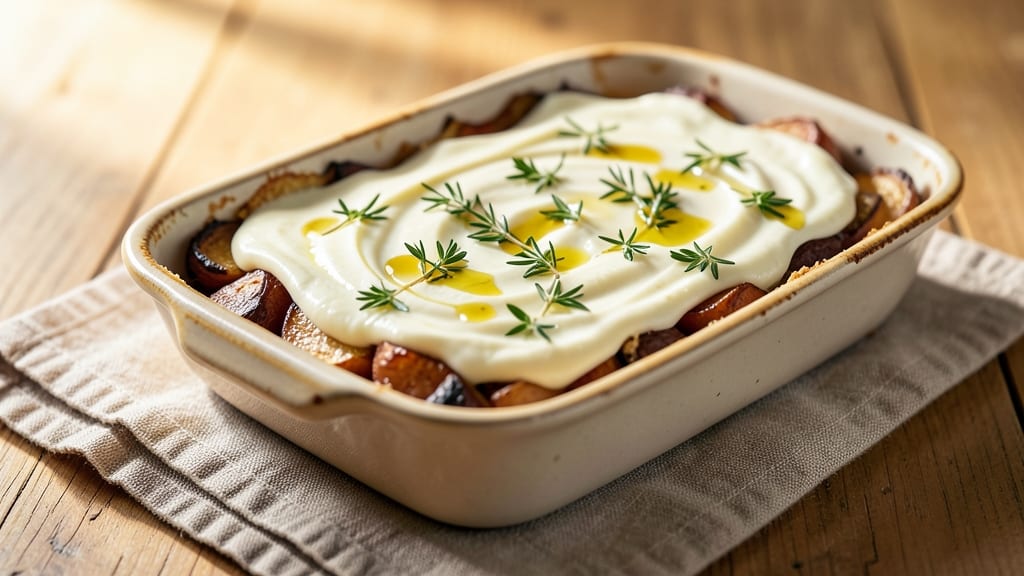
A herb-infused potato terrine transforms humble potatoes into an elegant, restaurant-worthy side dish that pairs beautifully with roasted meats or grilled fish. This recipe builds on traditional terrine techniques by layering creamy potato purée with fresh herbs and finishing with a crisp vinegar glaze that adds tangy contrast.
The result is a dish that feels both sophisticated and approachable—perfect for impressing guests without spending hours in the kitchen.
The foundation of this terrine lies in its texture: a silky potato base that holds together when chilled, yet remains tender and flavorful. Fresh herbs like thyme and parsley infuse the potatoes with bright, aromatic notes, while a touch of cream ensures the mixture binds properly.
The key to success is patience—allowing the terrine to set in the refrigerator for at least 4 hours (or overnight) guarantees clean slices with no crumbling. This method also makes it ideal for meal prep, as the terrine keeps well for up to 3 days.
What sets this recipe apart is the crisp vinegar glaze, which adds a delightful crunch and tangy brightness to every bite. The glaze is simple to make—just simmer vinegar, sugar, and a pinch of salt until it thickens slightly—then brush it over the terrine before serving.
The contrast between the creamy potato and the sharp, glossy glaze creates a sensory experience that elevates this dish from ordinary to extraordinary. The terrine slices beautifully, making it easy to serve as an appetizer, side, or even a light main course.
Whether you're hosting a dinner party or simply craving a gourmet side dish, this potato terrine delivers professional-quality results with minimal effort. The recipe scales easily for larger gatherings, and the flavors only deepen over time, making it a versatile addition to any menu.
Ready to transform your next meal with this refined yet accessible technique? Let’s get started.
Ingredients for potato terrine
Twelve simple ingredients transform ordinary potatoes into an elegant herb-infused terrine with restaurant-quality texture and flavor.
| Ingredient | Amount | Notes |
|---|---|---|
| Russet Potatoes 🥔 | 2 ½ lb | Yukon Gold or similar waxy variety |
| Heavy Cream 🥛 | ½ cup | Full-fat for best texture |
| Fresh Thyme Leaves 🌿 | 2 tbsp | Finely chopped, stems removed |
| Fresh Parsley Leaves 🌿 | ½ cup | Finely chopped, packed |
| Extra-Virgin Olive Oil 🫒 | ¼ cup | High-quality, fruity variety |
| Unsalted Butter 🧈 | 4 tbsp | Cold, cubed for purée |
| White Wine Vinegar 🍋 | ½ cup | For glaze, not cooking |
| Granulated Sugar 🍚 | 2 tbsp | For glaze balance |
| Diamond Crystal Kosher Salt 🧂 | 1 ½ tsp | For seasoning, adjust to taste |
| Freshly Ground Black Pepper 🌶️ | ½ tsp | Freshly cracked for flavor |
| Nutmeg 🌿 | ¼ tsp | Freshly grated for warmth |
| Vegetable Parchment Paper 📄 | 1 sheet | For lining terrine mold |
The potatoes are the heart of this terrine, so pick waxy varieties like Yukon Gold or Russet—they hold their shape when cooked and create a creamy purée. Most grocery stores carry these, but specialty markets like Whole Foods or Trader Joe's often offer organic options with better flavor. Avoid red potatoes—they’re too starchy and will turn gluey. For the herbs, fresh thyme and parsley make all the difference. Look for vibrant, fragrant sprigs at the store, not wilted bunches. If you can’t find fresh, dried works in a pinch, but use half the amount. The heavy cream and butter are non-negotiable—they’re what give the terrine its signature silky texture. Full-fat versions are essential here, as reduced-fat alternatives won’t bind properly.
No heavy cream? Whole milk plus 1 tbsp melted butter gets you close, though the texture won’t be as rich. Substituting olive oil for butter in the purée is a no-go—it’ll separate when chilled. Short on fresh herbs? Dried thyme and parsley at one-third the amount will work, but the flavor won’t be as bright. For the vinegar glaze, apple cider vinegar adds a fruity twist if you prefer it over white wine vinegar. The sugar in the glaze is crucial—it balances the acidity and creates that signature crisp. If you’re watching sugar, reduce it to 1 tbsp, but the glaze won’t be as glossy. The nutmeg is optional but adds a subtle warmth that pairs beautifully with the herbs. If you skip it, increase the black pepper slightly to compensate.
This terrine is all about patience—plan for at least 4 hours of chilling time, preferably overnight. The longer it sets, the cleaner the slices. Store leftovers in an airtight container in the fridge for up to 3 days, though the flavor actually improves after the first day as the herbs infuse further. For the glaze, make it fresh each time—it keeps for 1 week in the fridge but loses its crispness. To reheat, cover the terrine with foil and warm in a 350°F oven for 15 minutes. The glaze will soften slightly but can be re-crisped with a quick broil. Freezing isn’t recommended—the texture becomes grainy.
Why You'll Love This Recipe
- One-Pan Magic: I swear by this—just peel, slice, layer, and bake. No chopping boards cluttered with scraps or pots to wash afterward. The Russets hold their shape beautifully, and the heavy cream ties everything together without fuss.
- Thyme & Cream Dream: That first bite of crispy edges with a velvety center? It’s like a hug for your taste buds. The thyme and parsley brighten the richness of the cream, and the olive oil drizzle ties it all into something dangerously addictive.
- Leftover Hero: Between us, I make this on Sundays just because it’s that good reheated. Slice it cold for lunch the next day, or warm it up with a sprinkle of flaky salt—still delicious. It’s my go-to for lazy mornings or quick lunches.
- Budget-Friendly Luxe: Russets are cheap, cream stretches far, and herbs add freshness without breaking the bank. Honestly, it’s one of those recipes where you feel fancy without spending a fortune. Plus, it’s a crowd-pleaser that won’t leave anyone asking, “What’s for dinner?”
Step-by-step instructions for herb-infused roast potato terrine
Here's how to transform simple russet potatoes into a luxurious herb-infused terrine with a perfect vinegar glaze.
Prepare and Roast the Potatoes
Preheat your oven to 400°F and line a rimmed baking sheet with the vegetable parchment paper. Peel the 2.5 lb russet potatoes and slice them into ½-inch thick rounds. You should have about 12-15 slices depending on the potato size.
Toss the potato slices with 2 tablespoons extra-virgin olive oil, 1 teaspoon diamond crystal kosher salt, and ¼ teaspoon freshly ground black pepper. Arrange them in a single layer on the prepared baking sheet, slightly overlapping if needed. Roast for 25-30 minutes until the edges are golden brown and the potatoes are tender when pierced with a knife.
Here's the thing - don't overcrowd the pan. If you need to work in batches, that's fine, but ensure even browning. The potatoes should be soft inside but still hold their shape when stacked. Let them cool slightly before proceeding.
Create the Herb Purée Base
While the potatoes roast, melt the 4 tablespoons unsalted butter in a small saucepan over medium-low heat. Add the 2 tablespoons finely chopped fresh thyme leaves and ½ cup finely chopped fresh parsley leaves, stirring constantly for 1 minute until fragrant. Remove from heat and let cool slightly.
Transfer the butter-herb mixture to a blender or food processor along with the ½ cup heavy cream. Blend until smooth, then add ¼ teaspoon freshly grated nutmeg and pulse to combine. This purée will bind your terrine and infuse every layer with herb flavor. Taste and adjust seasoning with additional salt if needed.
Assemble the Terrine Layers
Line a 9x5-inch loaf pan with the remaining vegetable parchment paper, allowing it to overhang the sides slightly. Spread a thin layer of the herb purée on the bottom of the pan. Arrange half of the roasted potato slices in a single layer, slightly overlapping if needed, with the flat sides down.
Spread half of the remaining herb purée evenly over the potato layer, then add another thin layer of purée. Repeat with the remaining potato slices and purée, finishing with a final layer of purée on top. Press down gently but firmly to ensure good contact between layers.
Chill and Set the Terrine
Cover the loaf pan tightly with plastic wrap and refrigerate for at least 4 hours, preferably overnight. This long chilling time allows the terrine to set properly and develop its signature texture. The potatoes will absorb the purée completely, creating a cohesive, creamy center.
Here's where patience pays off - the terrine should be firm enough to hold its shape when unmolded. If you're short on time, you can chill for 2 hours in the freezer, but the texture won't be as refined. The longer it chills, the better the final result.
Prepare and Apply the Vinegar Glaze
In a small saucepan, combine the ½ cup white wine vinegar and 2 tablespoons granulated sugar. Bring to a simmer over medium heat and cook for 3-4 minutes until slightly thickened and syrupy. Remove from heat and let cool completely.
To serve, unmold the terrine onto a serving platter by inverting the loaf pan. Brush the top generously with the cooled vinegar glaze, allowing it to drip down the sides. The glaze should be shiny and slightly sticky when applied. Garnish with additional fresh parsley leaves for color and freshness.
Slice the terrine into ¼-inch thick pieces and serve immediately. The contrast of creamy, herb-infused potatoes with the tangy vinegar glaze creates a perfect balance of flavors and textures in every bite.
Pro Tips For Making Potato Terrine
- Boil Until Fork-Tender: I learned this the hard way—Russets stay dry if you cut them too thick. Aim for ½-inch slices, then boil them just until a fork slides in like butter. Overcooking turns them to mush, so keep an eye on them after 8 minutes.
- Chill the Potatoes First: Skip the impatient rush and refrigerate your boiled potato slices for 20 minutes before mixing with cream. Cold potatoes absorb the cream better and keep the terrine from turning gummy. (Yes, even if you’re impatient like me.)
- Drain, Don’t Press: After boiling, spread the potatoes on a towel to drain—not squish them. Pressing squeezes out starch, which makes the terrine gluey. Let them dry slightly, then fold in the cream gently.
- Layer Like a Pro: Build the terrine in thin, even layers—start with a base of cream, then potatoes, then herbs. Press down lightly with a glass to remove air pockets. This keeps it from collapsing and ensures every bite has flavor. (Your future self will thank you.)
Serving suggestions for potato terrine
Elegant Plating
Serve the terrine on a slate board or wooden platter for rustic elegance—both surfaces complement the golden-brown potato slices beautifully. Arrange the slices in a fan shape or stacked pyramid for visual appeal.
I like to use a 9-inch round platter for intimate gatherings or a long rectangular board for buffet-style serving. The vinegar glaze should glisten enticingly, so apply it just before serving to maintain crispness. 💫
Pairing with Proteins
This terrine shines alongside herb-roasted chicken or pan-seared duck breast—both proteins balance the dish's creamy richness. For a vegetarian spread, pair it with wild mushroom risotto or grilled eggplant.
The vinegar glaze's acidity cuts through fatty meats beautifully, while its sweetness harmonizes with earthy vegetables. I often serve it with roasted asparagus for a complete spring menu.
Bread Service
Offer crusty sourdough or baguette slices for soaking up the glaze and purée. Toast the bread lightly and brush with garlic-infused olive oil before serving. For a gourmet touch, use water crackers or rosemary focaccia—their textures contrast perfectly with the terrine's creaminess.
Keep bread warm in a low oven (200°F) until serving to maintain freshness.
Seasonal Garnishes
Spring: Top with edible flowers (nasturtiums or violets) and thinly sliced radishes for color and crunch. Summer: Add cherry tomatoes and basil leaves for a fresh, bright contrast.
Fall: Sprinkle with toasted pumpkin seeds and crumbled goat cheese for depth. Winter: Garnish with crispy fried shallots and fresh rosemary sprigs for warmth.
Meal Prep Presentation
For make-ahead serving, slice the terrine and arrange it in airtight containers with parchment paper between layers. Reheat slices in a 350°F oven for 10 minutes before serving.
To maintain presentation, store the glaze separately and brush on fresh slices just before eating. This keeps the terrine looking restaurant-fresh even after refrigeration.
Dessert Twist
For a sweet variation, serve the terrine as a savory appetizer followed by a honey-glazed dessert like caramelized apples or dark chocolate truffles. The herbal notes in the potatoes pair surprisingly well with spiced pear compote—try drizzling it alongside for a sophisticated finish.
This unexpected contrast makes your meal feel truly special. 🌟
Nutrition facts
Frequently asked questions
Can I make this potato terrine ahead of time?
This terrine actually tastes better when made 24 hours ahead. The flavors meld and the texture improves with time. Store it in an airtight container in the fridge for up to 3 days, and simply slice and glaze before serving. For longer storage, freeze the assembled terrine (unmolded) for up to 1 month—thaw overnight in the fridge before slicing.
Why does my terrine fall apart when slicing?
This usually happens when the terrine hasn't chilled long enough or the potato purée wasn't properly bound. Make sure to chill for at least 4 hours (overnight is ideal), and use enough heavy cream and butter in the purée. If it's still crumbling, try pressing the terrine more firmly when assembling or adding 1 extra tablespoon of cream to the purée.
Can I substitute cream cheese for the heavy cream?
Yes, but with adjustments! Replace the ½ cup heavy cream with ¼ cup cream cheese softened, plus ¼ cup milk to maintain moisture. The texture will be slightly denser but still delicious. For best results, blend the cream cheese with the butter-herb mixture until completely smooth before layering.
What's the best way to reheat leftover terrine?
For best texture, reheat slices in a 350°F oven for 10-12 minutes covered with foil. If using a skillet, warm over medium-low heat for 2-3 minutes per side with a little butter. Avoid microwaving—it makes the potatoes gummy. Always apply fresh glaze after reheating to restore crispness.
How can I make this terrine vegetarian?
Simply omit any meat components (this recipe is already vegetarian) and enhance the flavors with extra herbs like rosemary or sage. For more depth, stir 1 teaspoon nutritional yeast into the purée or add ¼ cup grated Parmesan to the final layer. The vinegar glaze remains perfectly complementary to the vegetarian version.